
Last updated November 25, 2026
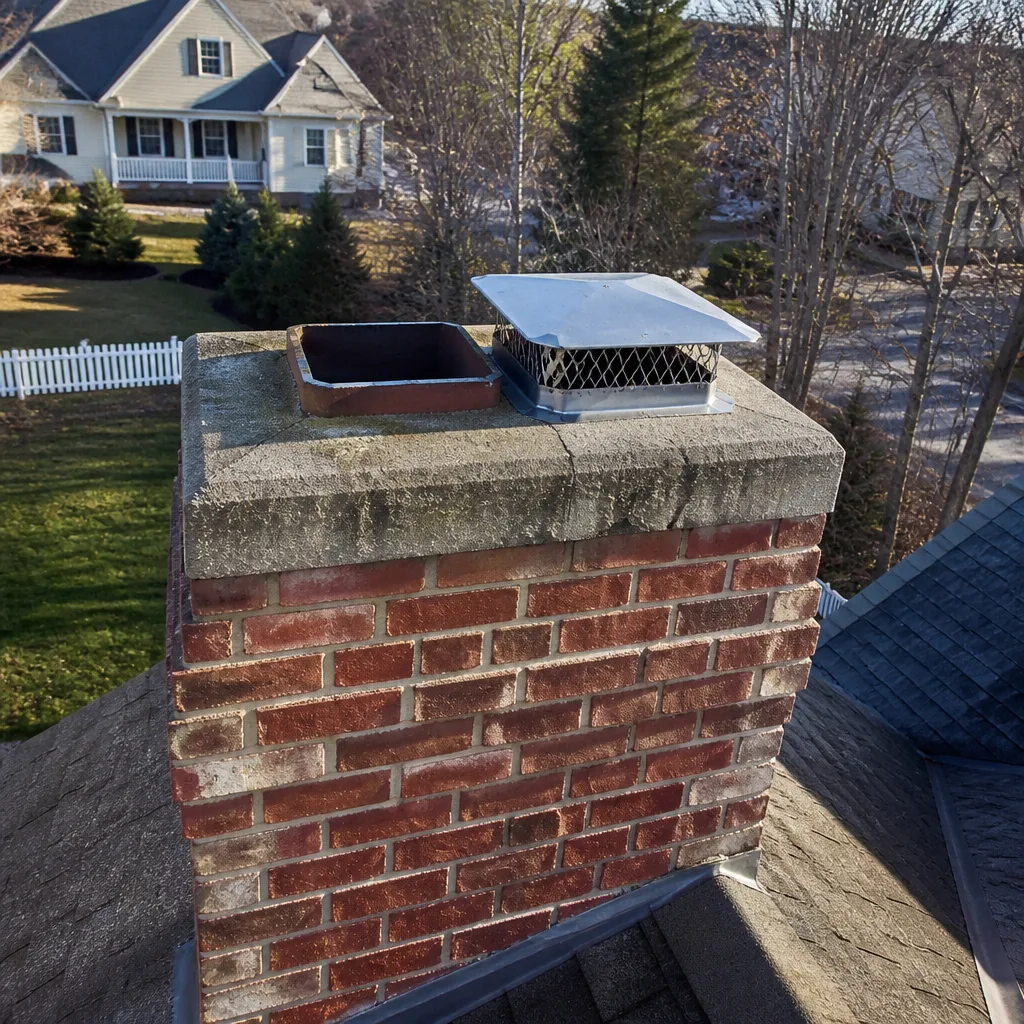 Sweep & inspection
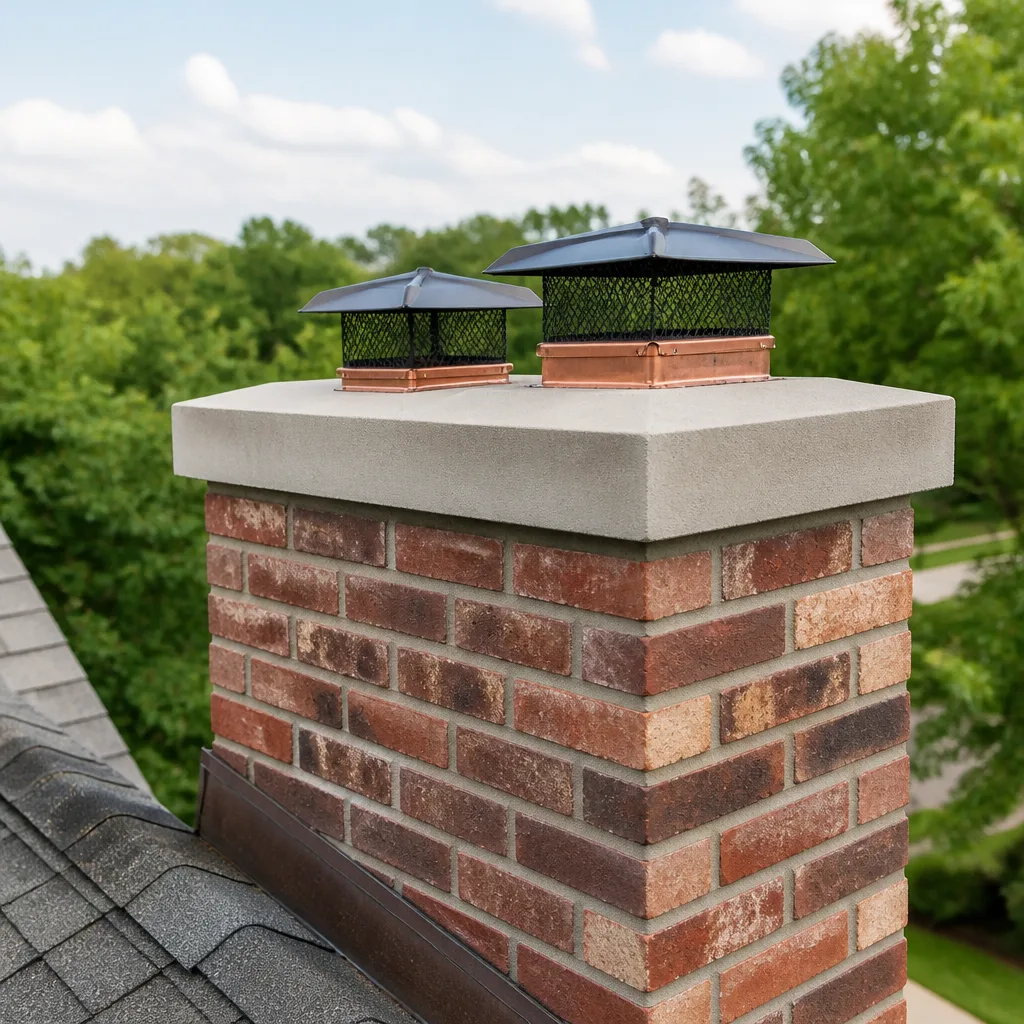 Caps & crowns
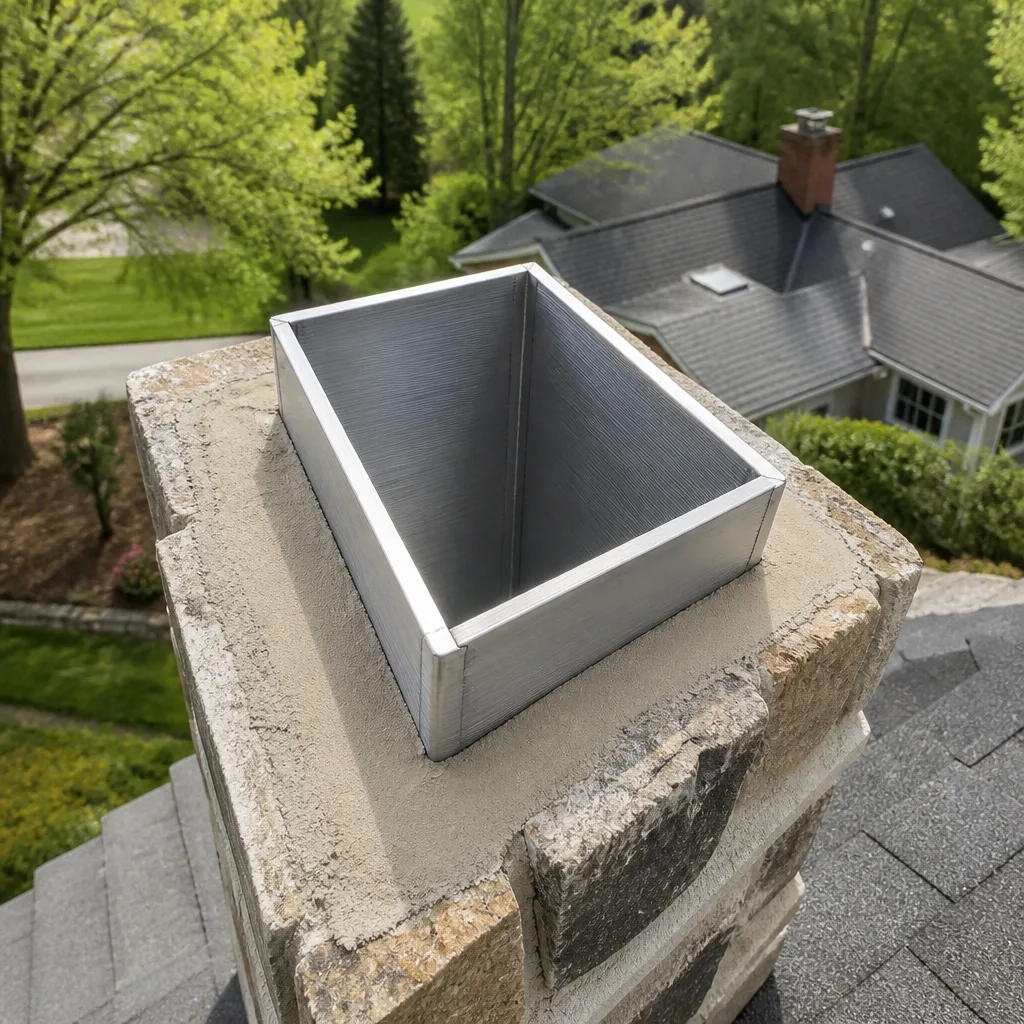 Flue relining
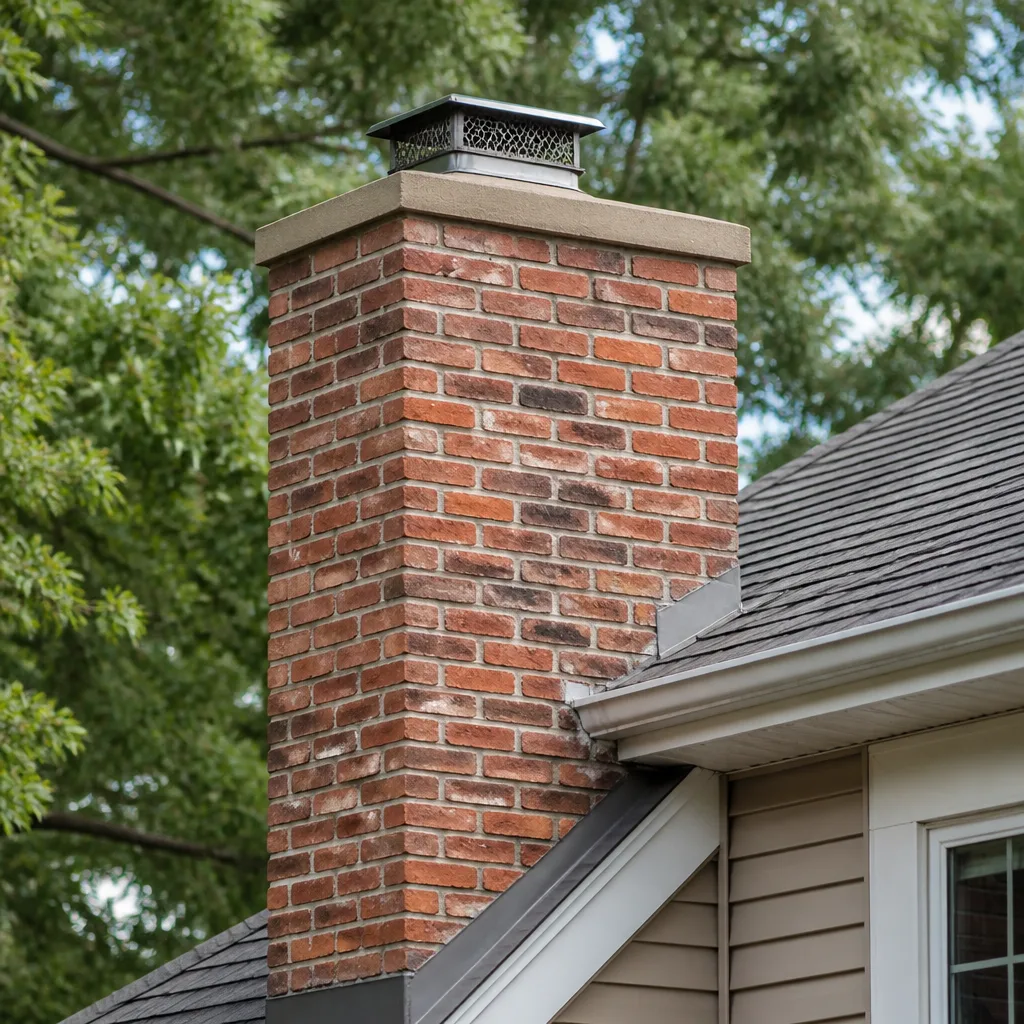 Masonry repair
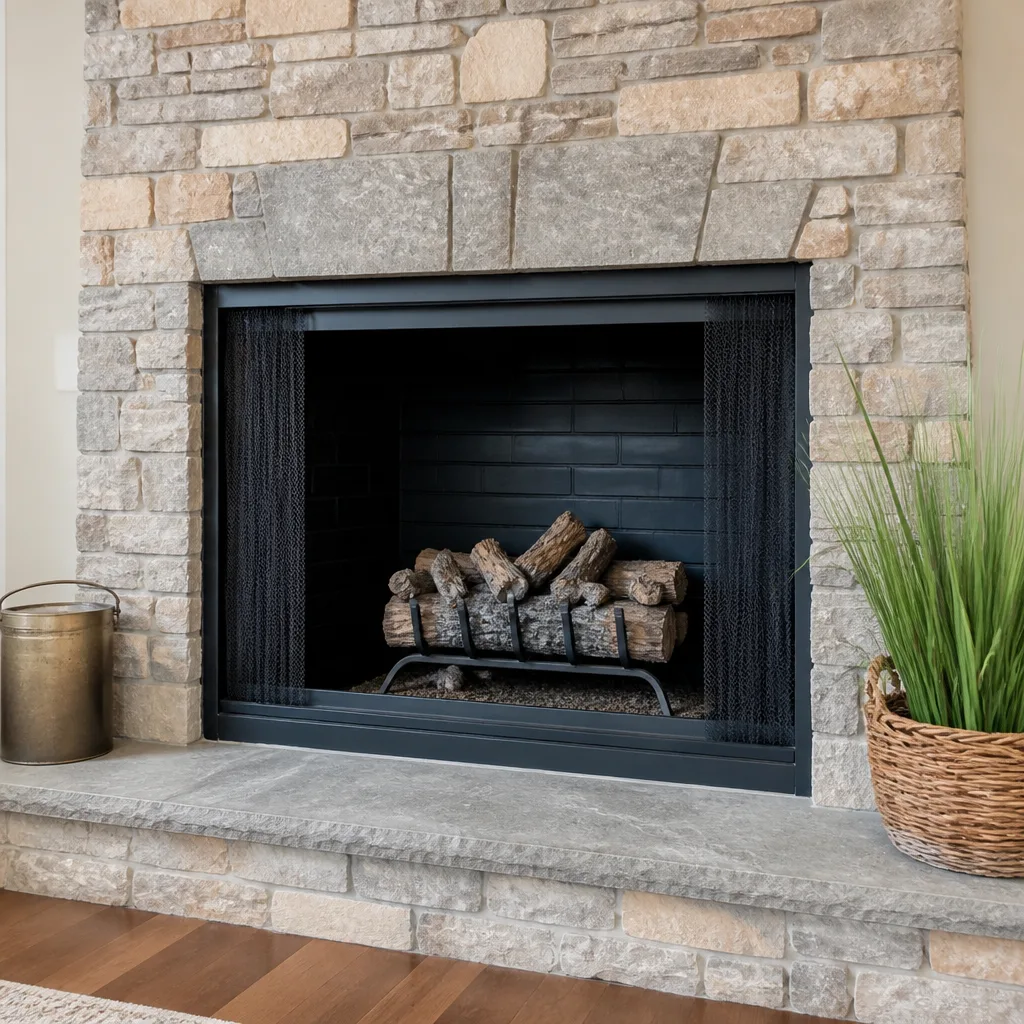 Gas fireplace service
Level 1 sweep and inspection to the NFPA 211 annual standard - flue, crown, cap, and flashing checked and photographed
Chimney sweep logs do not sweep chimneys. They loosen some creosote - which then falls where a brush and vacuum still have to collect it.
Chimney Cleaning Warning Signs: A South Hill Homeowner’s Reference Guide
A white stain running down the outside of your chimney isn’t a cosmetic issue. It’s efflorescence, and it means water is moving through your masonry, carrying mineral salts to the surface. By the time you can see it from the driveway, the process has been underway for a while. Most chimney problems announce themselves long before a professional arrives. The trouble is that homeowners misread the signal or dismiss it because they don’t know what it points to underneath. This guide connects each visible symptom to its actual cause and tells you whether to schedule a chimney sweep in South Hill soon or stop using the fireplace today.
Quick Answer
The most important chimney cleaning warning signs are white efflorescence stains, flaking masonry, oily black creosote, smoke rolling back into the room, and a strong campfire smell when the fireplace is cold. Each points to a specific failure – water intrusion, freeze-thaw damage, advanced creosote buildup, or draft pressure loss. Signs that appear on the roof, around the flashing, and inside the firebox matter most because they reveal structural problems before they become expensive.
Styles & brands we work with
- Sweep & inspection
- Caps & crowns
- Flue relining
- Masonry repair
- Gas fireplace service
Table of Contents
- Why Warning Signs Matter More Than the Cleaning Schedule
- Exterior Masonry Signs: What Your Chimney’s Skin Is Telling You
- Roof and Flashing Signs Homeowners Mistake for Roofing Problems
- Interior Firebox Signs and What They Reveal
- Smoke Behavior and Odor: Draft and Creosote Signals
- Damper Function Signs
- Warning Signs Specific to Gas Fireplaces and Inserts
- Schedule Soon vs. Stop Using the Fireplace Today
Why Warning Signs Matter More Than the Cleaning Schedule
A cleaning schedule tells you when to book a sweep. Warning signs tell you what your chimney system is actually doing between those appointments. In South Hill, where wet winters and cool, damp springs keep masonry saturated for months, the second category matters more. Water is the single most destructive force on a chimney here, and most of the exterior signs in this guide trace back to it.
The reason homeowners misread symptoms is that chimneys fail in layers. The firebox, flue, crown, flashing, and exterior masonry are separate components with separate failure modes, but a problem in one often shows up as a symptom in another. A rusted damper can mean water is getting past a failing crown. Smoke rolling into the room can mean a flue clogged with creosote, not a “cold flue” that needs a preheat. The sign is the surface; the cause is the system.
We’ve inspected enough South Hill chimneys to notice patterns. Coastal-adjacent moisture, mature trees dropping debris onto caps, and older housing stock with masonry chimneys that have never had a crown repaired all show up again and again. None of that requires a crisis response. It requires knowing what you’re looking at.
This guide organizes warning signs by where they appear, not as a flat checklist, because location tells you which component is failing. Exterior signs point to water and freeze-thaw. Roof signs point to flashing and crown. Interior signs point to creosote and liner condition. Smoke and odor signs point to draft and pressure. Damper and gas fireplace signs are their own categories entirely.
Before you read further, one thing is worth stating plainly: a chimney sweep isn’t only a cleaning appointment. A proper sweep in South Hill includes a look at the whole system – firebox, flue, damper, cap, crown, and exterior. If you’ve been treating it as a once-a-year brush-and-go, you’re missing the inspection value. You can read more about what that service covers on our chimney sweep page.
Exterior Masonry Signs: What Your Chimney’s Skin Is Telling You
Exterior masonry is where the earliest warning signs appear, and where they’re most often ignored. A chimney that looks “a little weathered” from the ground is often already taking on water. Here’s how to read what you’re seeing.
White Staining (Efflorescence)
Efflorescence is a powdery white or grayish crust on brick and mortar. It forms when water moves through masonry, dissolves mineral salts, and deposits them on the surface as the water evaporates. Seeing it isn’t a cosmetic problem – it’s evidence that water is actively transiting your chimney walls. Left alone, that same water cycle drives the next problem on this list.
Spalling and Flaking Brick Faces
Spalling means the face of a brick is peeling, popping, or flaking off. The mechanism is freeze-thaw: water soaks into the brick, freezes, expands, and pushes the surface away. In South Hill, where the freeze-thaw cycle repeats through winter, spalling advances faster than most homeowners expect. A chimney with visible spalling has already lost some structural integrity at the surface and needs evaluation before the damage moves inward.
Crumbling or Receding Mortar Joints
Mortar is softer than brick, so it wears first. Recessed joints, sandy mortar that brushes away with a finger, and visible gaps between courses are all signs that the mortar is failing. When joints recede, water has an easier path in – which accelerates everything above.
Rust Stains on the Chimney Exterior
Rust streaks running down masonry usually trace to a metal component above – a chase cover, cap, or flashing – that’s corroding and shedding water down the face of the chimney. The rust is the symptom; the metal failure is the cause.
If you’re seeing any combination of efflorescence, spalling, and receding mortar, the chimney is telling you it needs more than a cleaning. Our chimney repair work addresses masonry, crowns, and caps together because treating one without the others leaves the water path open.
Roof and Flashing Signs Homeowners Mistake for Roofing Problems
Several chimney warning signs live on or around the roof, and they’re routinely attributed to the roof itself. A roofer can look at the same area and see nothing wrong with the shingles because the failure is at the chimney connection, not the roof deck. Here’s how to distinguish the two.
Water Stains on Ceiling or Chimney Chase Interior
Brown or yellow water stains near the chimney chase, on the ceiling below, or on the framing inside the attic often come from flashing failure at the roof-to-chimney junction. Flashing is the metal that seals that seam. When it lifts, corrodes, or was installed poorly, water finds the gap. This is a chimney problem, not a roofing problem, even though it presents at the roofline.
Deteriorated Crown
The crown is the concrete cap at the very top of a masonry chimney. It’s designed to shed water away from the flue and masonry. When it cracks, crumbles, or pulls away from the flue, water runs straight down into the chimney structure. A failing crown is one of the most common causes of the efflorescence and spalling described above.
Missing or Damaged Cap
A chimney cap covers the flue opening. When it’s missing, damaged, or undersized, rain, snow, and animals find their way in. Caps also stop sparks from reaching the roof and keep birds and squirrels from nesting in the flue, which is a more common problem in South Hill than most people realize given the tree cover.
Loose or Missing Flashing
Flashing that’s lifted, corroded, or sealed with caulk rather than properly installed will leak. Walk your roofline from the ground with binoculars after a heavy rain and look for gaps where the chimney meets the roof.
Crown and cap work is where water intrusion is most often solved. We install crowns and caps using manufacturer-grade materials – Copperfield caps, for example – because a field-improvised fix rarely holds up to a South Hill winter. If your chimney has been leaking after storms, that’s not a roofer’s job. It’s a chimney system problem, and it’s worth an inspection before the next wet season.
Interior Firebox Signs and What They Reveal
Inside the firebox and up the flue, warning signs tell you about creosote, liner condition, and how the fireplace is actually burning. These are the signs most homeowners can see directly – and the ones most often misread.
Oily Black Stains or Glazed Creosote
Not all creosote is created equal. The first stage is soot and flaky black residue, which is easy to brush away. The second stage is crunchy and sticky. The third stage – glazed, hardened, shiny creosote – is the dangerous one. It’s the residue of repeated cool, smoldering fires that never got hot enough to burn clean, and it ignites at a much lower temperature than the earlier stages. When it coats the flue, the risk of a chimney fire climbs sharply. A sweep that only removes the top layer won’t address glazed creosote; it needs more aggressive removal.
Cracked or Missing Flue Tiles
Clay flue tiles crack from heat, settling, and moisture. A cracked tile opens a path for heat and gases to reach the framing or masonry surrounding the flue. Look for visible cracks at the firebox throat and up the flue if you can see that far. Most tile cracking is only visible during a proper camera inspection.
Crumbling Refractory Brick or Mortar in the Firebox
Refractory brick and firebox mortar are designed to take direct heat. When they crack, crumble, or pull away, the firebox is no longer containing combustion the way it should. This is a repair issue, not a cleaning issue. Our fireplace repair services address firebox and refractory damage directly.
Rusted Damper
Rust on the damper means moisture is reaching the interior of the chimney. That’s water intrusion somewhere above – cap, crown, or flashing.
Deteriorated Chimney Liner
A liner that’s cracked, delaminating, or shifted out of position is one of the more serious interior signs. Clay tile liners fail over time; stainless systems can fail at joints. If your liner is compromised, we can often resurface it using HeatShield instead of full liner replacement, which saves the cost and disruption of a full tear-out when the chimney qualifies.
Smoke Behavior and Odor: Draft and Creosote Signals
How your fire burns and how the fireplace smells when it’s cold both tell you about the state of the system. Here’s what to watch for.
Smoke Rolling Back Into the Room
Backdraft – smoke spilling into the living space instead of going up the flue – is a draft pressure failure. Causes include a blocked flue, a flue that’s undersized for the fireplace opening, negative pressure from a tightly sealed house, nearby trees or structures interfering with the wind, or a chimney that hasn’t warmed enough to establish draft. In South Hill, we’ve seen backdraft tied to blocked flues more than any other cause. When the flue is partially clogged, exhaust has nowhere to go but into the room.
Smoky, Lingering Odor in Summer
If your fireplace smells strongly of campfire, especially on warm or humid days, that’s residual creosote off-gassing. The combination of heat and moisture reactivates old deposits. A sweep removes the source; a blocked flue or heavy buildup will keep the smell coming back.
Weak or Inconsistent Draft
A fire that’s hard to light, smolders, or won’t draft properly after warming up may be running into a flue restriction, a damaged liner, or an undersized flue. Weak draft also produces more creosote, so it tends to worsen over time.
Excessive Soot on the Glass or Firebox
Soot accumulation faster than usual points to incomplete combustion, often related to poor draft, wet wood, or a flue problem.
Lingering Draft Smell After the Fire Dies
A cold chimney that still smells like smoke hours after the fire is out usually means creosote deposits are reacting to rising humidity in the home.
For any of these, book an inspection and sweep before the next burn season. Know exactly what you have so it doesn’t become a mid-winter surprise. An inspection is the diagnostic step that lets you fix draft problems before they cause more damage or a chimney fire. For a fuller overview of our services and where to start, see Chimney Sweep South Hill.
Damper Function Signs
The damper is a simple component that does a lot of work – it controls airflow when the fireplace is burning and closes off the flue when it isn’t. When it stops working, both roles break down.
Signs Your Damper Is Failing
- It won’t open fully. The handle moves but the damper doesn’t swing open all the way, which restricts draft and forces smoke into the room.
- It won’t close completely. A gap at the top of the chimney all winter bleeds warm air out and lets cold air in. It also gives animals a path into the flue.
- It’s stuck or rusted. Corrosion is the most common damper failure point, and it usually traces back to a water intrusion problem elsewhere.
- The handle is loose or disconnected. A failed linkage means the damper is no longer under your control.
- Visible warping or cracks. Heat distortion from repeated fires weakens the seal.
Why It Matters
A stuck-open damper wastes energy every hour it’s open. A stuck-closed damper is worse – it’s a fire hazard. When a fire is lit with a closed damper, exhaust can’t leave and gets pushed back into the home. If you’re ever unsure whether the damper is open, don’t light the fire until you’ve confirmed it. It’s one of the few chimney checks you can do yourself without risk.
What to Do About It
Damper replacement fits under our fireplace repair work, and we handle rusted or jammed dampers as part of a complete chimney assessment. If the damper is failing because of water coming in above, we fix the source – crown, cap, or flashing – so the replacement doesn’t corrode out the same way.
Warning Signs Specific to Gas Fireplaces and Inserts
Gas fireplaces and inserts have their own warning signs, and they’re different from wood-burning indicators. Most of the “chimney cleaning warning signs” advice online assumes a wood fire, so gas systems get overlooked. Here’s the shortlist.
Signs That Mean Stop Using Immediately
- Gas odor. If you smell gas when the appliance isn’t running, or a strong sulfur smell during operation, turn the gas off at the supply, ventilate the room, and don’t run the fireplace until it’s been inspected.
- Yellow or orange flame that used to be blue. In a properly burning gas fireplace, flames should be predominantly blue with maybe some orange tips. Predominantly yellow flames can indicate incomplete combustion, which produces carbon monoxide.
- Soot on the logs, glass, or firebox surfaces. Soot means the fireplace is running rich and venting poorly, both signs of a combustion problem.
- Carbon monoxide alarms going off. Get everyone out, call the gas utility or fire department from outside, and don’t relight until the system has been inspected. This is a carbon monoxide risk, not a cleaning issue.
Signs That Mean Schedule an Inspection
- Lingering odor when the fireplace is off. A gas fireplace shouldn’t smell like anything when it’s not running. Odor usually points to a venting issue or a seal failure.
- Moisture or condensation on the glass. Can signal a venting or combustion problem, or inadequate airflow.
- Pilot light that won’t stay lit. Combustion air or flame sensor issue.
- Excessive dust or rust inside the firebox. Often an indication the venting system isn’t performing properly.
Gas fireplaces still have a flue – vented gas inserts run through the chimney system just like wood fireplaces do. Their liners still need periodic inspection, and if the appliance was converted from wood, the existing liner may not be the correct type. Liner condition matters in gas systems too, and DuraFlex liners are one option we work with for vented gas inserts when the original venting is failing.
Schedule Soon vs. Stop Using the Fireplace Today
Not every warning sign is an emergency. Knowing which ones are “call this week” and which are “don’t light another fire” makes the difference between routine maintenance and ignition risk. Here’s how to triage.
Stop Using the Fireplace Today
- Heavy glazed creosote visible in the flue. Stage-three creosote can ignite. Don’t burn again until it’s removed.
- Damaged or missing liner. If the liner is cracked or has gaps, heat and gases can reach framing.
- Cracked firebox or failed refractory brick. A compromised firebox is a direct fire risk.
- A known chimney fire. Even if it self-extinguished, don’t relight until an inspection confirms the flue is intact.
- Strong gas odor or CO alarm activation in a gas system. Treat this as an emergency.
Schedule an Inspection Soon
- Efflorescence or early spalling on exterior masonry. Water is moving through the chimney, but the structural risk is not immediate.
- Rust streaks or stains where the roof meets the chimney. Likely a flashing or cap issue that needs repair before the next wet stretch.
- Smoky odor when the fireplace is cold. Suggests creosote buildup but isn’t a same-day hazard.
- Weak or inconsistent draft. A draft problem that causes backdraft can move into the stop-using category if symptoms get worse.
- A damper that doesn’t seal. Fix before the next burn season.
If you’re in South Hill and unsure which category your chimney falls into, an inspection resolves the question. We document what we find with visual evidence so you can see the actual state of the flue, liner, and firebox rather than relying on a verbal verdict. Inspections also matter for real estate transactions – buyers and sellers in South Hill routinely need a documented chimney inspection before closing, and our reports meet that standard.
Common Mistakes to Avoid
- Treating efflorescence as cosmetic. White staining on your chimney means water is moving through your masonry right now. Ignoring it lets freeze-thaw damage advance until spalling and cracked brick are inevitable.
- Assuming a backdraft is a “cold flue” problem. A preheat trick can help when the flue is genuinely cold, but if smoke keeps rolling into the room after the flue warms, the cause is a restricted flue or draft failure, not temperature.
- Burning a gas fireplace with yellow flames. Yellow flames in a gas system can indicate incomplete combustion and carbon monoxide risk. They aren’t “just the natural look of gas.”
- Skipping the inspection because you had a sweep. A sweep cleans. An inspection documents liner condition, creosote type, and whether anything structural is failing. They’re separate services and you want both.
- Blaming the roofer for chimney-area leaks. Most water stains near a chimney trace to flashing, crown, or cap failure – not the shingles. A roofer may confirm the roof is fine while the water keeps coming in through the chimney connection.
- Letting the damper rust after water damage. A rusted damper is a symptom of water intrusion. Replacing the damper without fixing the source – the failing crown or cap – just resets the clock until the new damper rusts too.
- Ignoring the campfire smell in summer. A chimney that smells like a fire pit on warm days has heavy creosote deposits reacting to humidity. It’s telling you it needs a sweep before the next burn season.
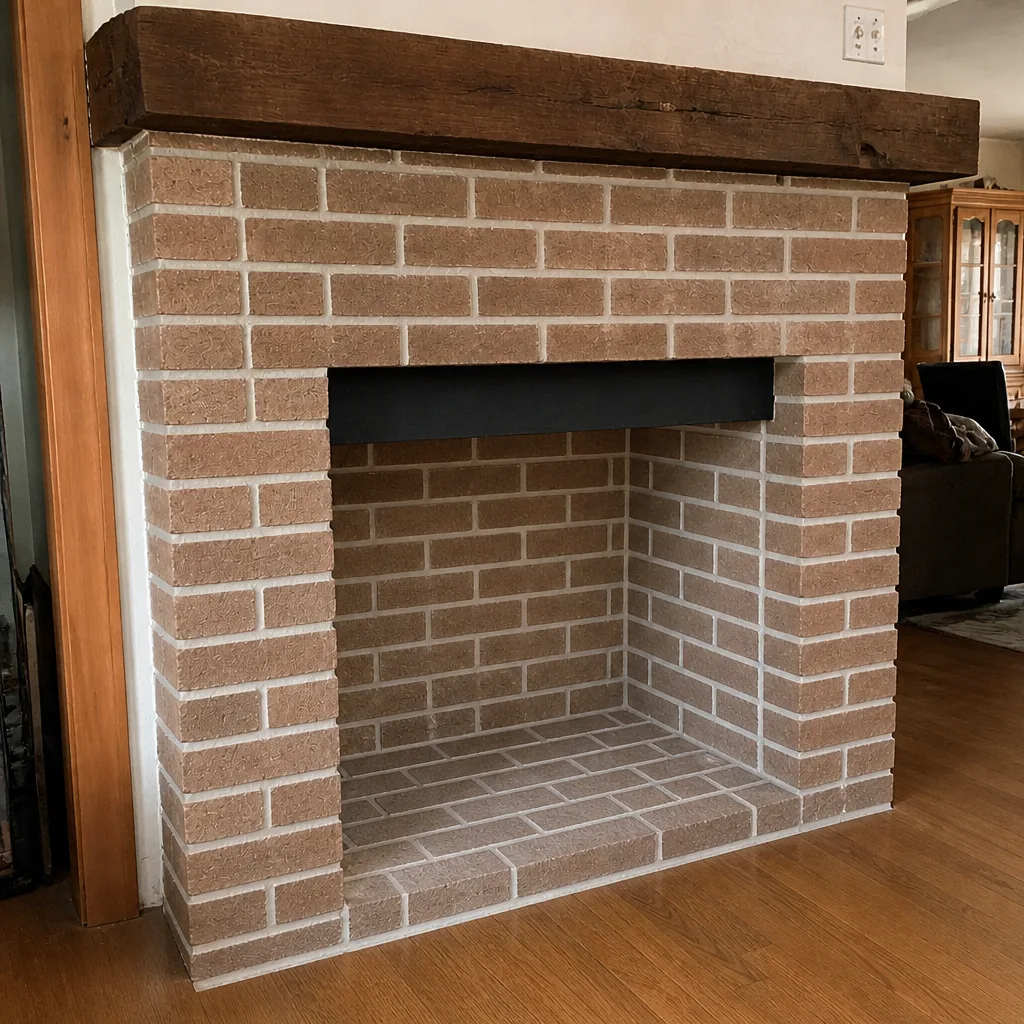
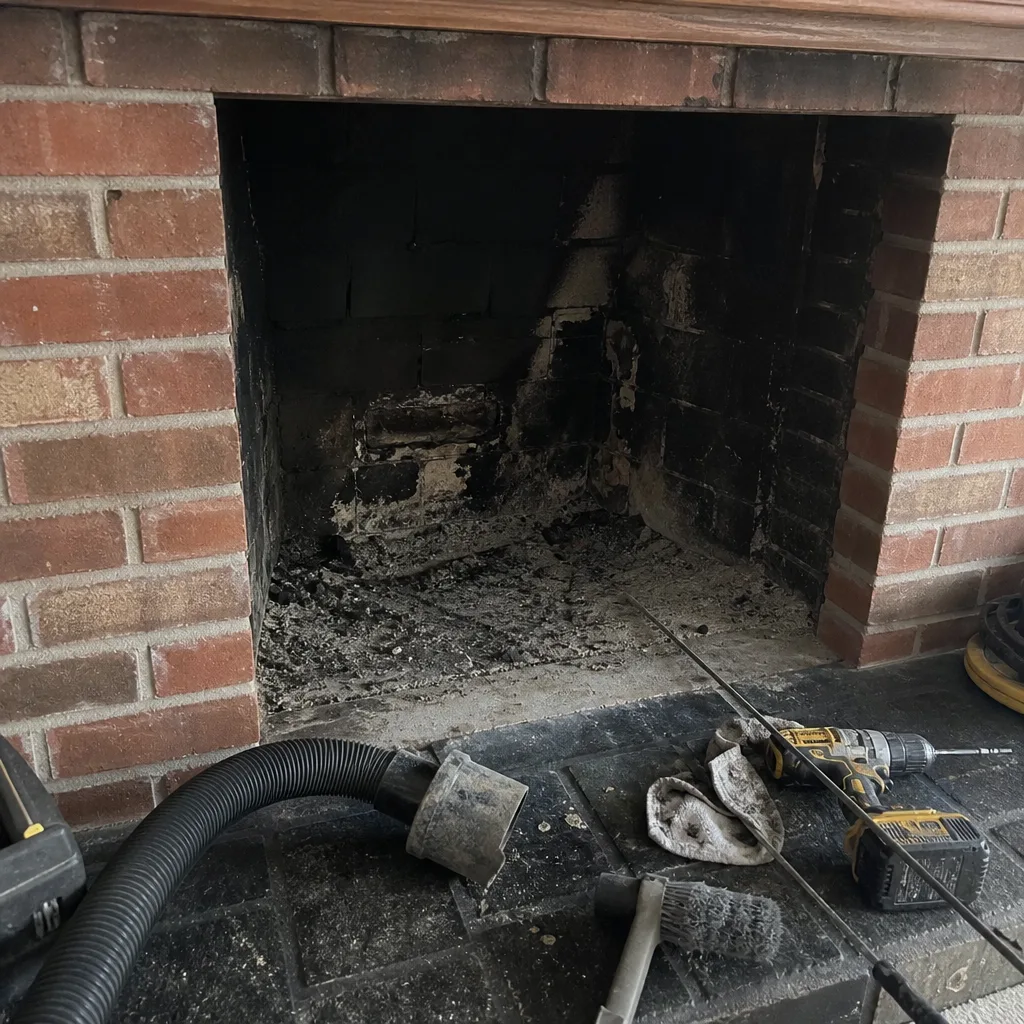
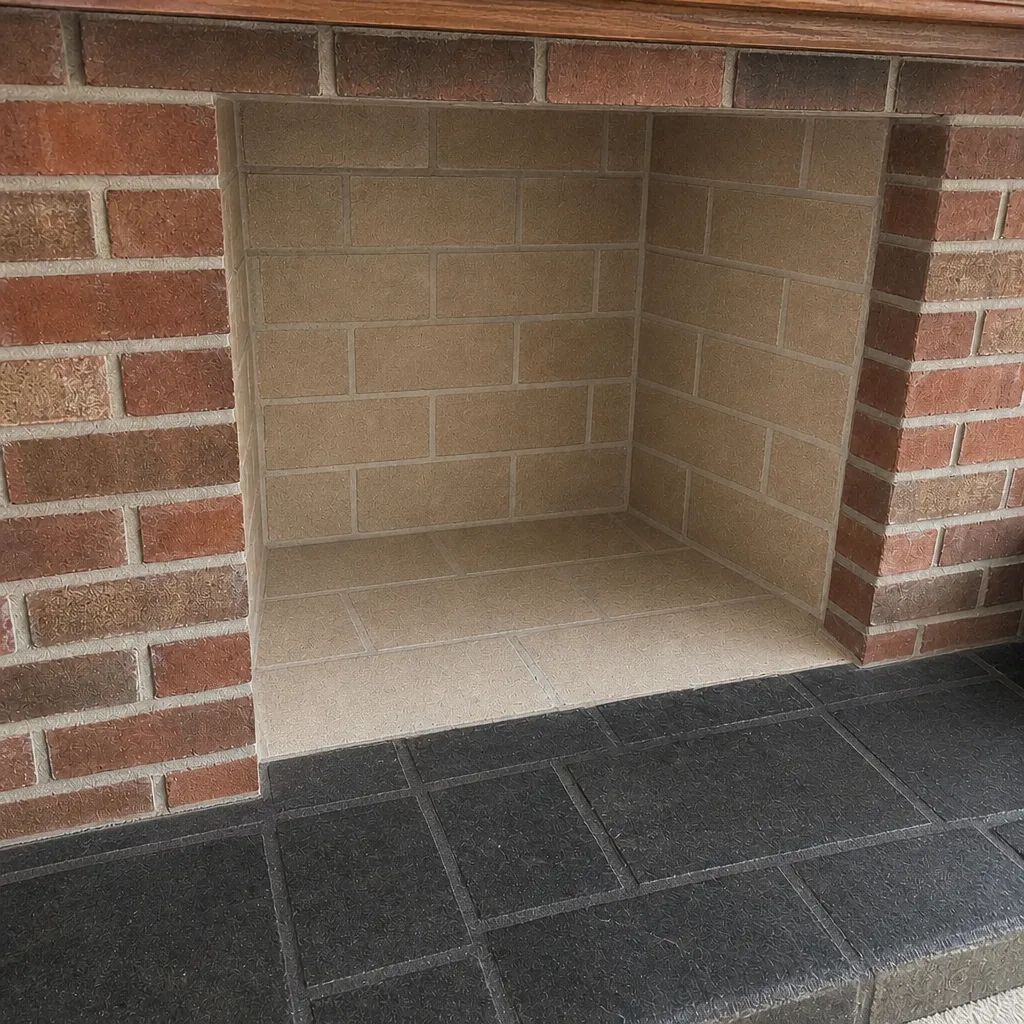
See the difference
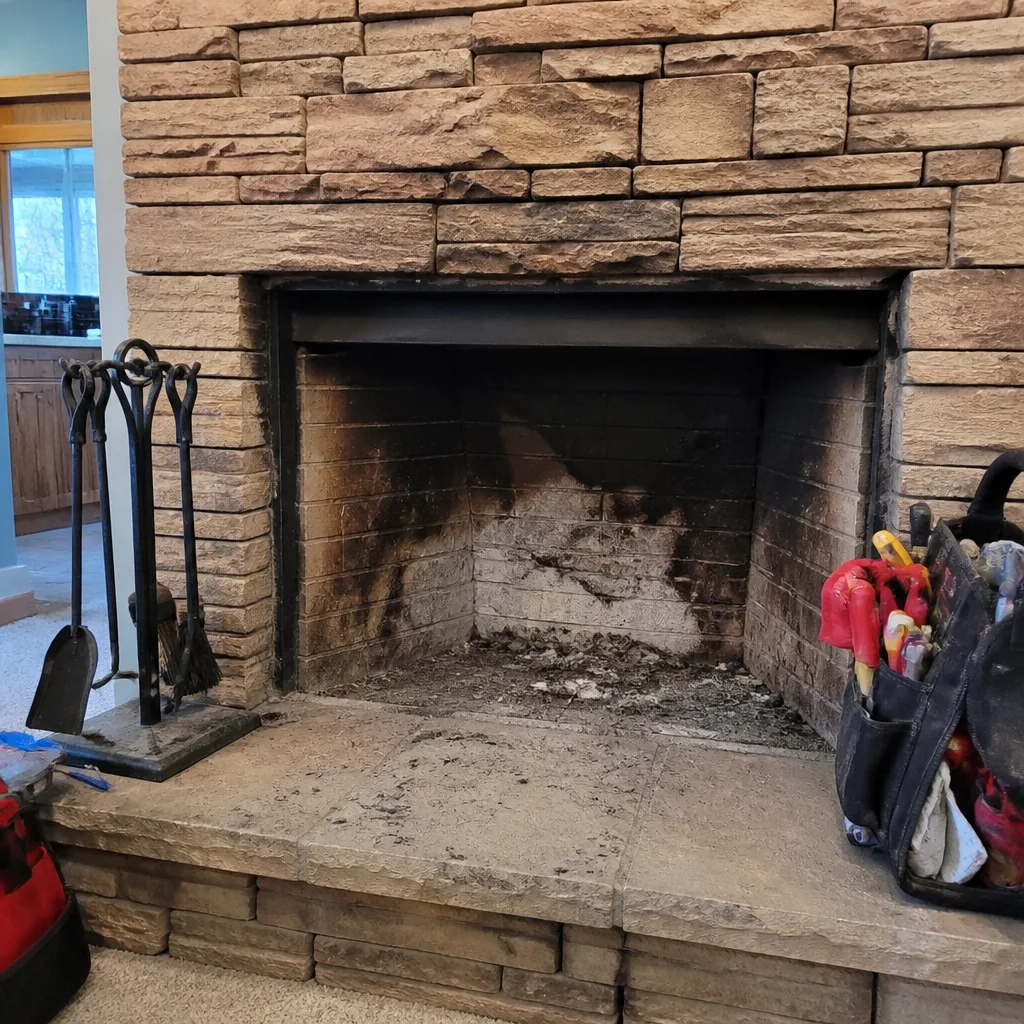 Before
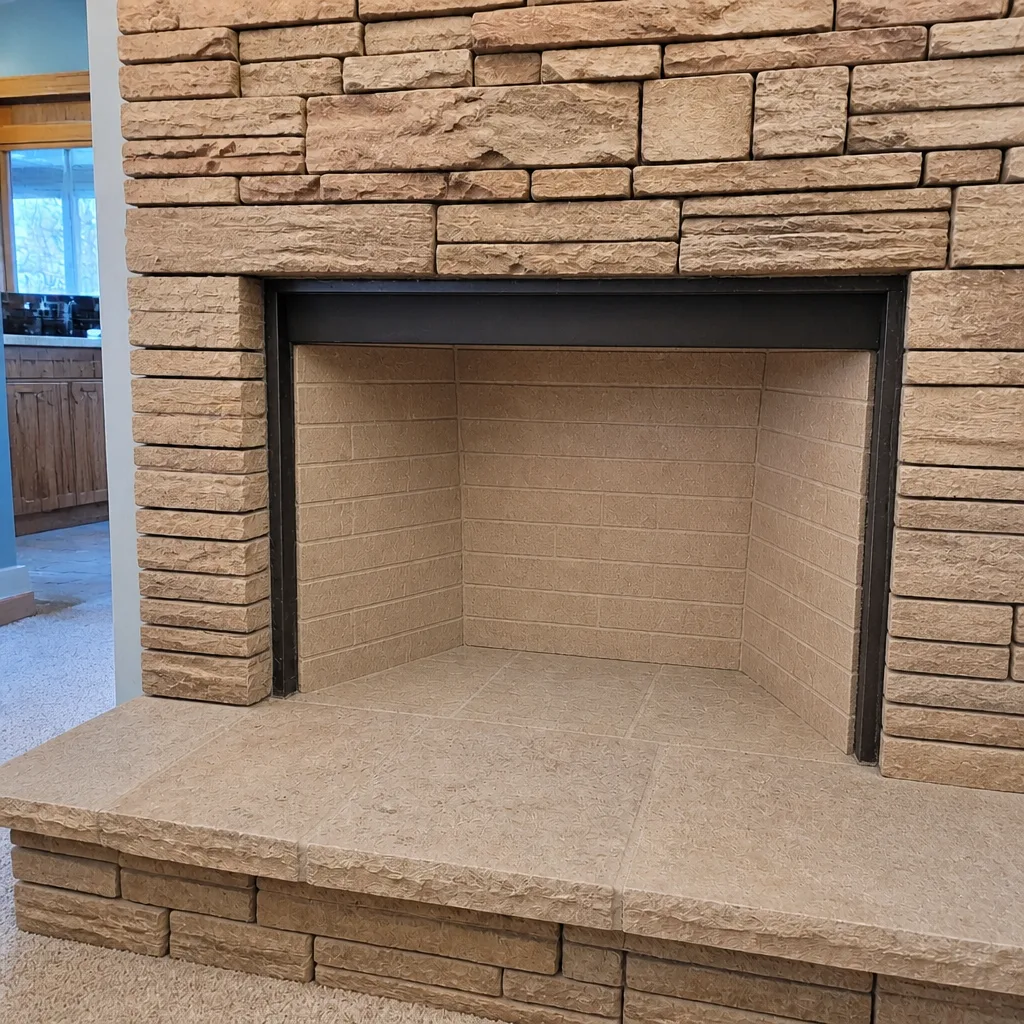 After
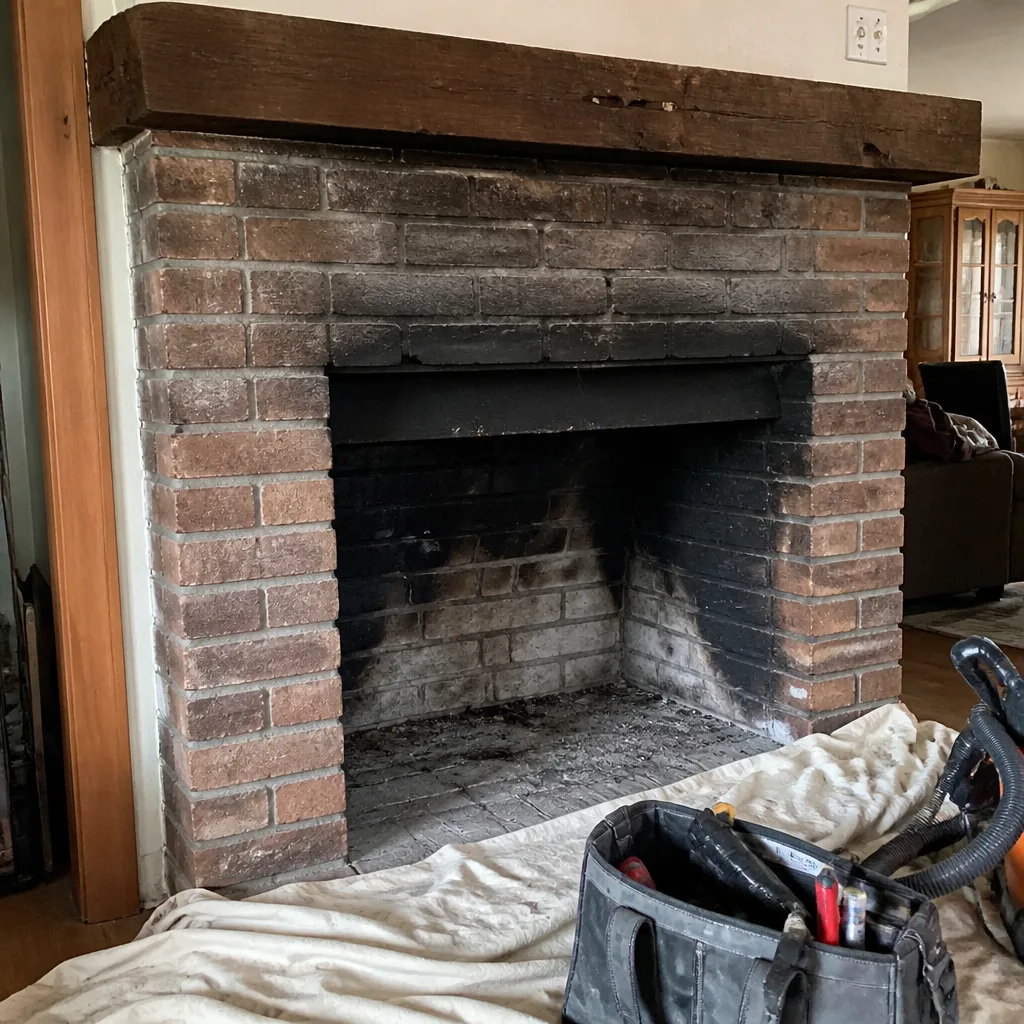 Before
 After
 Before
 After
When to Call a Professional
You should call a professional when any sign in this guide points to a structural or safety issue and you can’t confidently rule it out from the ground. On the absolutely-call-now list: heavy glazed creosote, cracked firebox or liner, any suspect chimney fire, and carbon monoxide alarms or gas odor in a gas system. On the call-this-week list: efflorescence paired with spalling, water stains near the chimney after storms, a damper that won’t seal, or smoke spilling into the room after the flue has warmed.
Our technicians have up to 15 years of experience with full chimney systems – not just sweeps. We handle the sweep and anything we find, in one relationship. Chimney Sweep South Hill offers free estimates in South Hill and throughout Pierce County. Call (877) 792-6671. We answer 24/7. Fast dispatch from 7am to 7pm, Sunday through Friday.
Frequently Asked Questions
Chimney sweeps in South Hill are typically quoted per job based on the number of flues, access, and the amount of creosote to remove. Cleaning combined with an inspection is the standard starting point for most homes, and the written estimate you receive sets the final price before any work begins. Call (877) 792-6671 for a free estimate.
For a wood-burning fireplace used regularly through the heating season, an annual sweep and inspection is the baseline most standards call for. If you burn infrequently or have a gas insert, the inspection can determine whether a sweep is needed. Either way, once a year before burn season is a reasonable rhythm in South Hill. Call (877) 792-6671 to book a sweep.
The main risk of skipping a sweep is creosote buildup reaching a stage that can ignite, which is what drives chimney fires. Secondary risks include reduced draft, smoke spilling into the room, and gradual liner degradation that’s harder to fix once it advances. A sweep clears the risks; an inspection documents where the system stands. Call (877) 792-6671 to schedule.
Sometimes a liner can be resurfaced rather than replaced, which is what HeatShield is designed for in qualifying chimneys. Whether you need a full replacement or a resurfacing depends on condition – and you shouldn’t accept either recommendation without camera evidence you can see yourself. If the liner is intact, work can often wait. If it’s compromised, it can’t. Call (877) 792-6671 to schedule an inspection and get a direct answer.
Water staining on a chimney is usually a chimney problem because the failure is at the crown, cap, or flashing – not the roof deck. The roof may be perfectly intact while water enters at the chimney junction. Chimney repair work that addresses all three points fixes the path water is taking. Call (877) 792-6671 for a free estimate.
Yellow flames in a gas fireplace aren’t usually a cleaning issue – they point to combustion or venting problems, which can carry a carbon monoxide risk. Stop using the fireplace and have it inspected before running it again. Call (877) 792-6671 and we’ll get a technician out to document what’s happening.
The Bottom Line
Chimney cleaning warning signs are readable before any professional arrives. Efflorescence means water is moving through masonry. Spalling means freeze-thaw has already done damage. Glazed black creosote means the flue is a fire risk. Backdraft smoke means draft pressure has failed. Yellow gas flames and carbon monoxide alarms mean stop using the fireplace today. Every one of these signs points to a specific mechanism underneath, not just “get it checked.” Homeowners who learn to read those mechanisms can protect their masonry, their firebox, and their liner before small repairs become structural work. If you’re watching any sign on this list, a documented inspection tells you exactly what you’re looking at. Call (877) 792-6671 for a free estimate. We answer 24/7. Fast dispatch from 7am to 7pm, Sunday through Friday.
Written by the team at Chimney Sweep South Hill.