
Last updated November 25, 2026
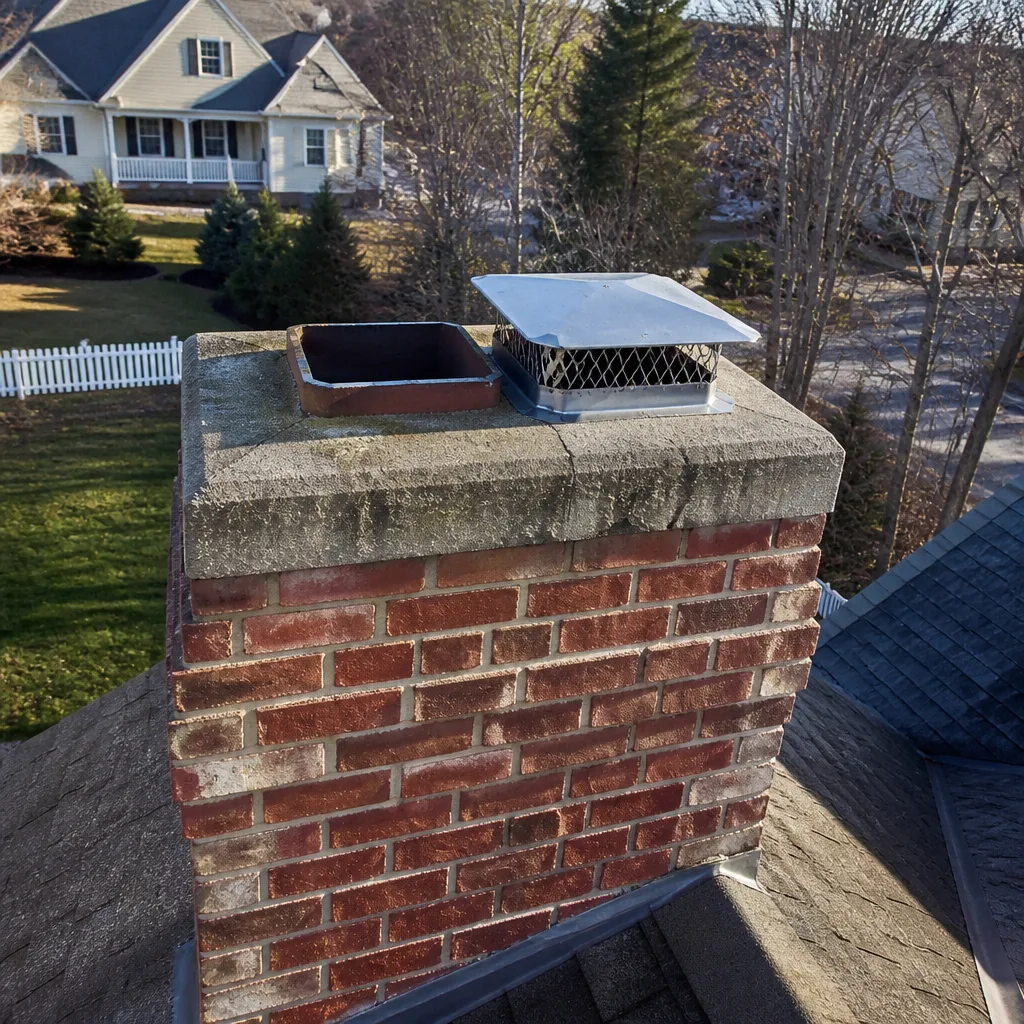 Sweep & inspection
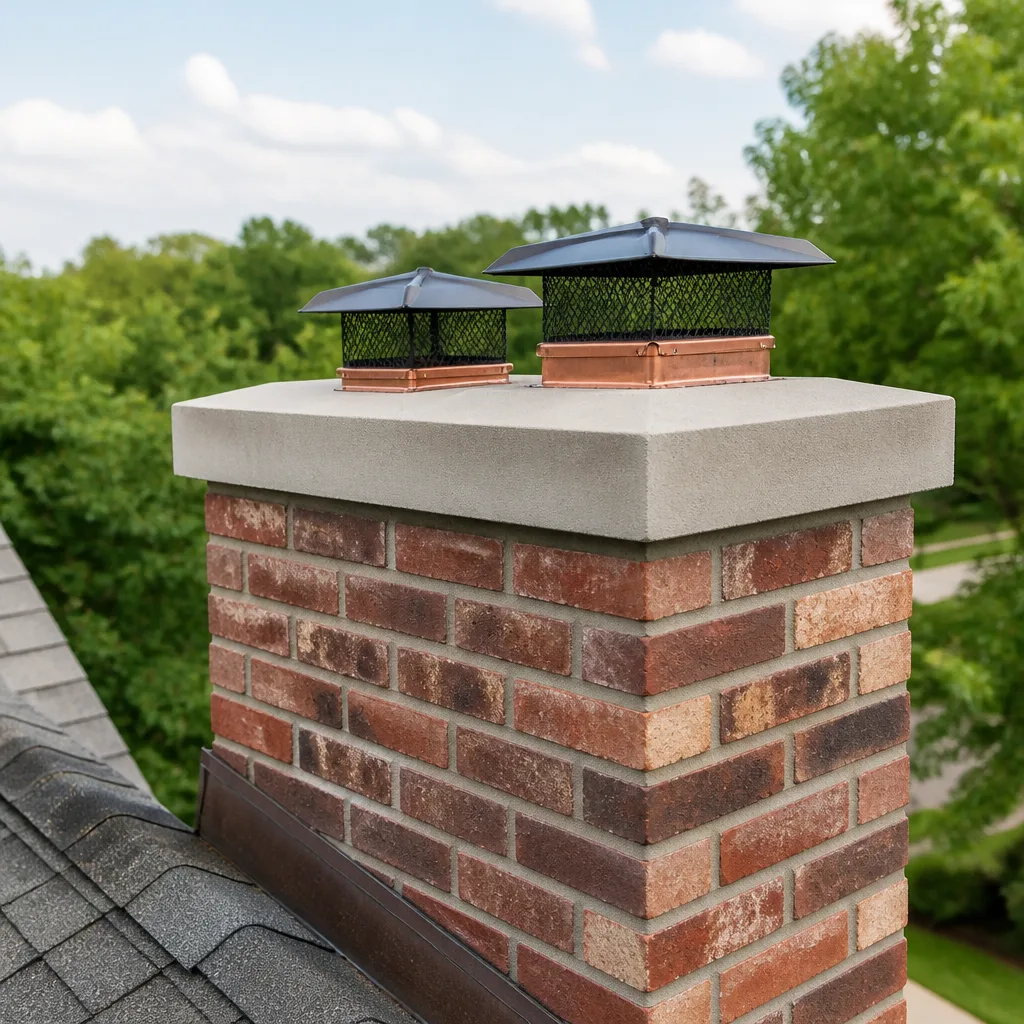 Caps & crowns
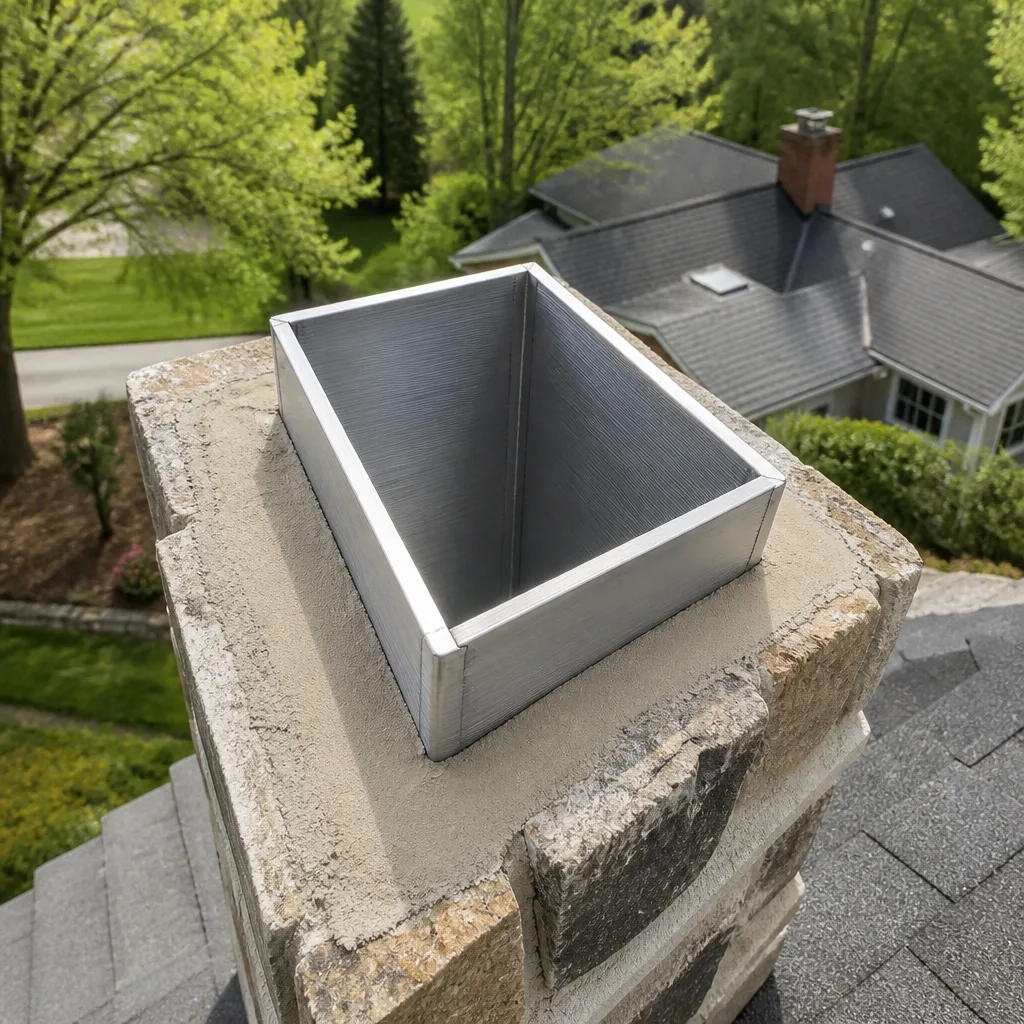 Flue relining
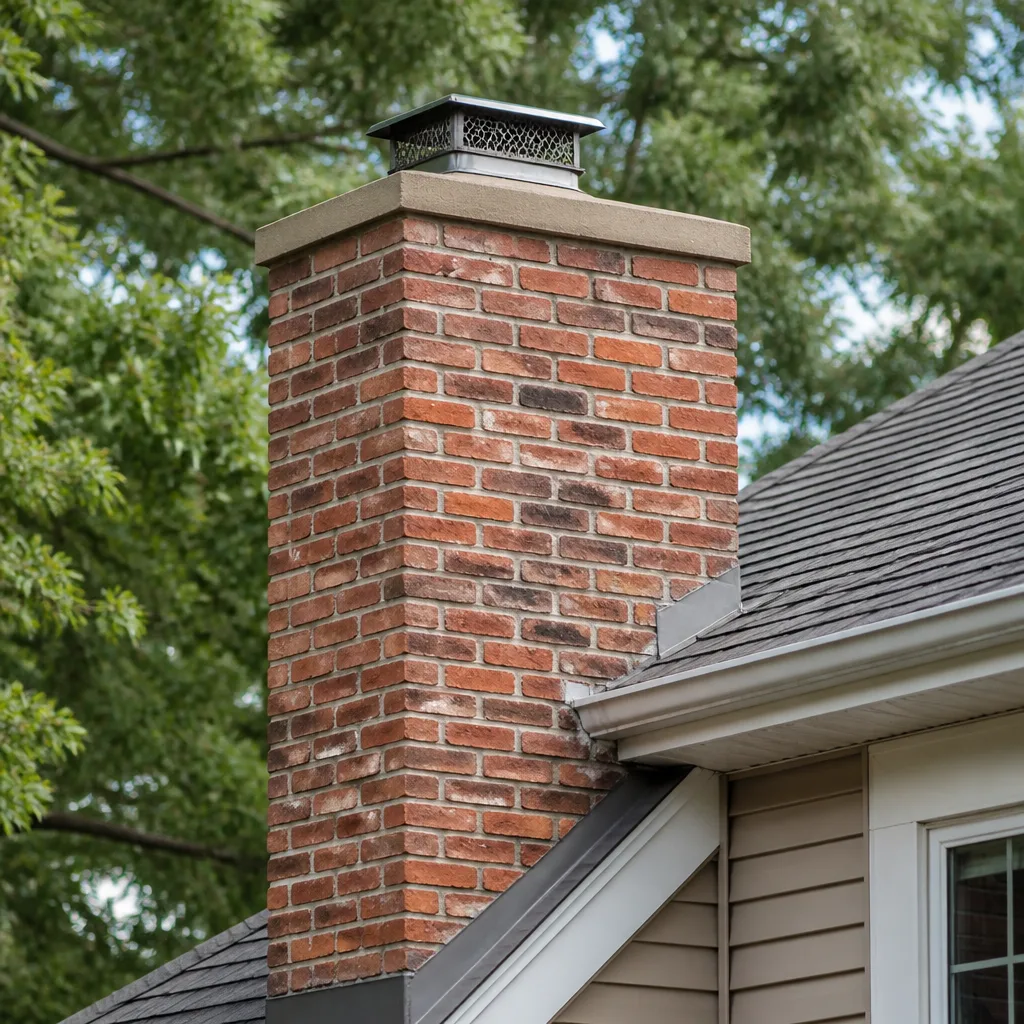 Masonry repair
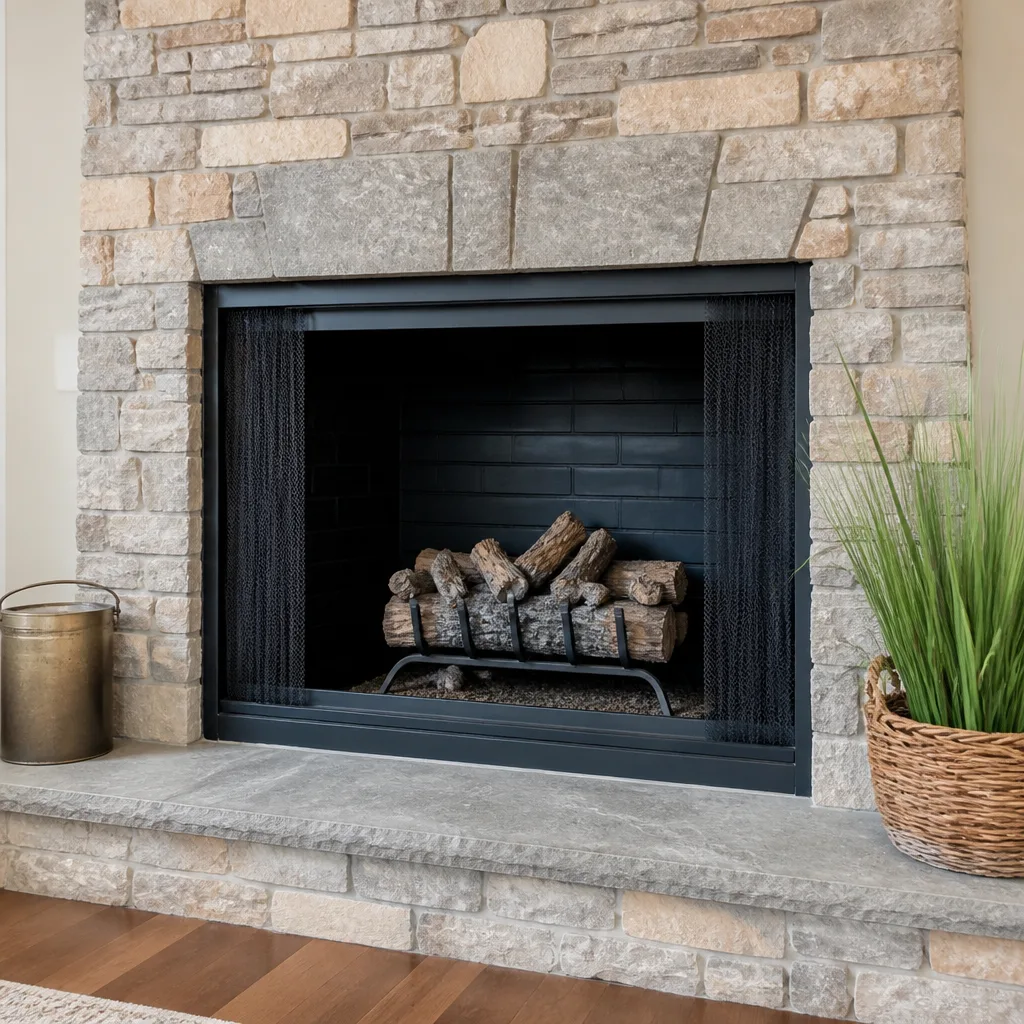 Gas fireplace service
Level 1 sweep and inspection to the NFPA 211 annual standard - flue, crown, cap, and flashing checked and photographed
Chimney sweep logs do not sweep chimneys. They loosen some creosote - which then falls where a brush and vacuum still have to collect it.
Chimney Cleaning Emergency Preparedness Guide for South Hill Homes
Most chimney emergencies don’t start with a bang. They start with a sound you almost talk yourself out of: a low rumble, a rhythmic whoosh, a roar that a surprising number of homeowners describe the same way afterward – like a jet passing low overhead. A chimney fire can hit temperatures around 2,000°F inside the flue, and the people who come through one best aren’t the ones who react fastest. They’re the ones who already knew what they were hearing and what to do in the first sixty seconds.
This guide is written for South Hill homes that burn wood – fireplaces, inserts, freestanding stoves – and the family that relies on them, especially through the power outages that roll through this part of Pierce County and the shoulder seasons that catch people off guard. You’ll learn the fire response protocol, the carbon monoxide scenario that’s specific to chimneys, what happens after a fire event, and a readiness checklist you can run before the first cold snap. Nothing here replaces a professional inspection, but knowing the signs and the sequence turns a panic into a plan.
Quick Answer
Chimney emergency preparedness in South Hill means knowing four things before you ever light a fire: how to recognize a chimney fire (a roaring jet-like sound, dense smoke, a shaking flue), the immediate response (close the damper, get everyone out, call 911, and never try to burn it out), the carbon monoxide risk from blocked or damaged flues, and who to call for a documented inspection after any event. A working CO detector, a confirmed-clear cap, and a tested damper are the three checks that prevent the most common South Hill chimney emergencies.
Styles & brands we work with
- Sweep & inspection
- Caps & crowns
- Flue relining
- Masonry repair
- Gas fireplace service
Table of Contents
- What Are the Warning Signs of a Chimney Fire?
- What to Do in the First Sixty Seconds of a Chimney Fire
- The Carbon Monoxide Scenario Chimney Owners Miss
- What Happens After a Chimney Fire?
- South Hill Risk Factors: Outages, Storms, and Shoulder Seasons
- Your Pre-Season Emergency Readiness Checklist
- Why Spring Startup Is an Underrated Danger Window
- Common Mistakes to Avoid
- When to Call a Professional
- Frequently Asked Questions
- The Bottom Line
What Are the Warning Signs of a Chimney Fire?
A chimney fire can be loud and dramatic, or slow and nearly silent. The slow kind is the one that fools people, because it smolders in the flue for minutes before it announces itself – and by then creosote has already ignited. The signs cluster into a few reliable groups, and any one of them is worth acting on.
What you may hear:
- A roaring or rumbling sound, often compared to a freight train or a low-flying jet
- A rhythmic whooshing or clicking, sometimes described as a “puffing” noise
- Popping or cracking from inside the flue rather than the firebox
What you may see or smell:
- Dense smoke pouring from the top of the chimney, or smoke backing into the room
- Flames or sparks visible at the chimney cap
- A strong, hot, tar-like smell that doesn’t match a normal fire
- Creosote flakes or pieces of liner debris landing on the roof or in the yard
- Stains or discoloration on the exterior chimney, or cracks that appear suddenly
What you may feel: a hearth or chimney breast that’s unusually hot to the touch, a vibrating or shaking flue, or doors that suddenly won’t latch because the structure is moving.
Here’s the point most people miss: these signs often show up before a full fire event, during a routine burn. A pinging sound, a flue that’s hot when it shouldn’t be, smoke that won’t draft right – those are the early warnings that a professional chimney sweep can catch and resolve before they escalate. If you’ve burned a lot of wood this season and haven’t had the flue cleaned, creosote buildup is the fuel load, and the warning signs are the fuse.
What to Do in the First Sixty Seconds of a Chimney Fire
In the first minute, your job is not to fight the fire. Your job is to get everyone out safely and get the fire department on the way. A chimney fire can spread to the roof, attic framing, or nearby combustibles, and no amount of home firefighting substitutes for a trained crew. Here’s the sequence to know cold, before you ever need it.
- Close the damper. This cuts the oxygen feeding the fire and limits how much it can draw up the flue. Do this only if you can reach it safely and the fire is still contained to the firebox and flue.
- Get everyone out. Leave the house immediately. Don’t stop for belongings. Have a meeting spot outside that the whole household knows.
- Call 911. Tell the dispatcher it’s a chimney fire and give your address. Even if the fire seems to be dying down, the fire department needs to confirm the structure is safe and check for extension into the framing.
- Wait for the fire department. Don’t reenter until they clear the house.
What NOT to do: Don’t try to “burn it out” by adding wood or opening the damper to encourage a hot, fast burn. Don’t throw water down the flue – the thermal shock can crack a masonry liner or warp a metal one, and it can also generate explosive steam. Don’t use a garden hose on the firebox from inside. Don’t assume it’s over because the noise stopped. And don’t go back in to check “just for a second.”
What you can do, before you exit, is close the glass doors if your appliance has them and close the damper if reachable. That’s the whole list. Everything else is the fire department’s job.
The Carbon Monoxide Scenario Chimney Owners Miss
A blocked flue doesn’t need fire to be dangerous. When exhaust can’t escape upward, it backs into the living space as carbon monoxide – an odorless, colorless gas that gives no warning until symptoms appear. The chimney-specific causes are the ones most homeowners don’t think about: a bird nest or squirrel debris packed into the flue, a collapsed section of liner, soot or creosote buildup severe enough to close the channel, a blocked or missing cap allowing animals and debris in, or a flue that’s the wrong size for the appliance and doesn’t draft properly.
Here’s the counterintuitive part: CO events are often more common in the shoulder-season startup than in deep winter. Why? In January, a chimney that’s been running daily is warm, the draft is strong, and the system has been “proven” repeatedly. In spring – or on the first cool night in October – the flue is cold, the house is sealed tight against the chill, and the appliance runs at low, smoldering output. A cold flue with a weak draft is exactly the condition where exhaust spills inward instead of up.
Windy days make it worse. South Hill sits in the path of the weather that funnels through the Puyallup River valley, and a wind that gusts across the top of the chimney can push exhaust back down a flue that was drafting fine an hour earlier. Same goes for a home that’s been tightened up with new windows and weatherstripping: modern houses are far less leaky than the ones many of these chimneys were originally built for, and a tight house needs a healthy flue and adequate makeup air or the appliance starves and backdrafts.
What protects you: a working CO detector on every level of the home and near sleeping areas, and knowing the symptoms – headache, dizziness, nausea, confusion, fatigue that improves when you leave the house. If a CO alarm sounds, get everyone outside and call 911, then call your gas utility if you have gas appliances. The fireplace is not the place to investigate. The flue gets inspected.
What Happens After a Chimney Fire?
After a chimney fire – even a small one you put out yourself, even one the fire department says “looked minor” – the chimney system must be professionally inspected before you use it again. A fire that reached high enough temperatures can crack a clay tile liner, warp a metal liner, open mortar joints, damage the crown, or leave a creosote glaze that’s now bonded to the flue wall. None of that is visible from the firebox. All of it is a risk the next time you light a fire.
This is where a full-system chimney specialist matters. A post-fire inspection isn’t a quick look up the flue with a flashlight. It’s a documented evaluation of the entire system – and depending on what the fire department and the visual inspection reveal, it may escalate to what’s called a Level 3 inspection, which is the most involved of the three inspection levels.
What a post-fire inspection typically involves:
- A visual check of the firebox, damper, smoke chamber, flue, and cap
- A camera inspection of the flue interior to look for cracked tiles, gaps in joints, warped metal, or separation
- Checks for creosote glaze, debris, and any obstruction left by the fire
- Examination of the exterior chimney, crown, and any accessible framing for heat damage or water intrusion
- A Level 3 inspection, when indicated, which can involve accessing concealed areas of the chimney or adjacent structure to assess damage that can’t be seen otherwise
The result should be a written report with photos, findings, and a clear recommendation. That documentation matters for insurance claims after a fire event, and it matters for your own decision-making: reuse, repair, reline, or replace. In a chimney with a damaged liner, options like HeatShield resurfacing can restore the flue without a full tear-out in qualifying cases – which is often a more sensible path than replacing the whole liner system. The inspection tells you which path applies. We handle the sweep and anything we find, so you’re not passed to a third party when the repair is the real work. If you want to understand how a documented inspection works before you ever need one, our guide to chimney repair walks through the common findings.
South Hill Risk Factors: Outages, Storms, and Shoulder Seasons
South Hill’s chimney risks aren’t exotic. They’re ordinary conditions that stack up in a specific way, and understanding them makes the preparedness plan less abstract.
Power outages and extended wood-burning. When the grid goes down in a windstorm – and in this part of Pierce County, it does – the fireplace stops being ambiance and becomes the heat source. That means more hours of burning, hotter fires, and a faster accumulation of creosote than a homeowner who burns a few evenings a week would ever expect. The house that’s normally three months from a sweep can be due in a few weeks of outage-driven burning. The appliance also runs harder and longer than it was designed for, which stresses the flue.
Storm debris and blocked caps. The same winds that take out power drop branches, fir needles, and leaf litter onto roofs. A chimney cap with a mesh screen does its job every day – until a branch or a mat of needles clogs it, the flue stops drafting, and smoke (or CO) backs into the house on the next fire. After any significant wind event, a look at the cap from the ground is a five-second check worth doing. South Hill’s mix of mature evergreens and older housing stock means debris on the roof is a regular occurrence, not an unusual one.
Shoulder-season temperature swings. October and April in South Hill can run 40s at night and 60s by afternoon. Those swings encourage exactly the low, smoldering burns that produce the most creosote and the weakest draft. A chimney that’s cold-soaked from a cool night can backdraft on the first fire of the morning even if it drafts fine in the evening.
Wet weather and water intrusion. Rain is a chimney’s slow enemy. A cracked crown or a missing cap lets water into the masonry, and repeated wet-dry cycles spall bricks and erode mortar. Water intrusion doesn’t cause a chimney fire, but it weakens the structure that contains one. Cap and crown work – using manufacturer-grade components from brands like Olympia Chimney, Famco, or Copperfield – addresses the two most common points of entry and is part of a complete readiness plan, not a separate upgrade.
Your Pre-Season Emergency Readiness Checklist
Run this checklist before the first cold snap, and re-check the storm-sensitive items after any big wind event. It’s the difference between a chimney emergency that’s a fire department call and one that’s a routine service appointment.
- Confirm a working CO detector. One on every level, one near sleeping areas, tested with the test button. A CO alarm is the only thing in your home that detects the most common chimney emergency before you feel symptoms.
- Check the chimney cap from the ground. Look for a clear mesh screen, no visible bird nests, no branch or needle clogs, and no obvious damage. If you can’t see it, have it checked during your sweep or inspection.
- Confirm the damper operates. Open and close it fully. A damper that sticks, won’t seal, or won’t open all the way is a draft problem waiting for a cold night.
- Schedule your annual sweep and inspection before burning season. This is the single highest-value item. A clean flue is a flue without a fuel load, and a documented inspection tells you what condition the system is actually in – liner, crown, cap, and all.
- Save the chimney emergency contact. Program the number in your phone. Our line is (877) 792-6671. We answer 24/7. Fast dispatch from 7am to 7pm, Sunday through Friday.
- Know your meeting spot and your 911 script. Everyone in the house should know where to gather outside and that the call is “chimney fire, address, everyone is out.”
- Clear the roof and cap of storm debris after any wind event. This is a look-and-report item, not a ladder item. If debris is blocking the cap or the flue, that’s a professional check.
- Confirm your wood is dry and seasoned. Wet or green wood produces more creosote and a weaker, smokier burn. Dry, seasoned firewood is a creosote-reduction measure as much as a performance one.
If you check every item and find nothing alarming, you’re in good shape – and you have a baseline to compare against next season. If a few items raise questions, a single inspection answers all of them at once, with documentation you can keep.
Why Spring Startup Is an Underrated Danger Window
The instinct is to worry about January. The data-in-your-gut says cold months, heavy burning, maximum risk. But in our experience, the shoulder seasons – spring especially – deserve their own attention because the chimney is being used after a long idle stretch, and idle time is when things happen to a flue.
Over the winter, a flue gets warm from daily fires. Come spring, it sits cold for weeks or months. During that idle time, animals move in – birds, squirrels, raccoons – and build nests in the flue or on the cap. Debris collects. A cracked crown lets water in, and freeze-thaw cycles widen it. A liner that was sound in February may have shifted or separated by April. None of that announces itself. Then the first cool morning comes, someone lights a fire in a cold flue with a blocked cap, and the smoke has nowhere to go but back into the house.
That’s why a spring or early-fall sweep-and-inspection is worth as much as a midwinter one. It catches what the idle season did. It also matches the rhythm of the South Hill real-estate calendar – buyers and sellers ordering inspections before closing, and new owners wanting a documented baseline before their first heating season in a house they don’t yet know. A documented inspection serves all three: safety, transactions, and insurance. Our Chimney Sweep South Hill guide is a good starting point for the annual routine, and the inspection side of the work is offered as a standalone service, not just an add-on to a sweep.
Common Mistakes to Avoid
- Burning a fire to “burn out” a chimney fire. This is the most dangerous mistake on the list. Adding fuel and opening the damper feeds the fire, and a hot fast burn in a flue that’s already failing is how a contained flue fire becomes a structure fire. Close the damper, get out, call 911.
- Assuming a silent chimney is a safe chimney. A slow, smoldering creosote fire can be quiet. If you smell a hot tar-like odor, see dense smoke, or feel unusual heat on the chimney breast, treat it as an event even if you hear nothing.
- Skipping the post-fire inspection. A fire department “all clear” confirms the house is safe to reenter. It does not certify the flue. The system needs a professional inspection before reuse, and that inspection should be documented.
- Ignoring the cap until it fails. A blocked or missing cap is one of the most common causes of a backdrafting flue in South Hill, and it’s also the entry point for water and animals. It’s a cheap check and an inexpensive fix compared to the damage it prevents.
- Relying on the nose instead of a CO detector. Carbon monoxide has no smell. If you’re waiting to smell something before you worry, you’re waiting for a symptom instead of a signal.
- Burning wet or unseasoned wood to stretch a cord. It feels economical. It loads the flue with creosote faster than dry wood, which shortens the time to your next sweep and raises the fire risk in a system that may already be marginal.
- Putting off the annual sweep until “after the holidays.” The busiest burning weeks are exactly when a clogged or creosote-heavy flue is most likely to cause a problem. Sweep before the season, not during it.
When to Call a Professional
Call a professional for any of these, without waiting for a convenient moment. After any chimney fire, even a small one: the system needs a documented inspection before reuse. After a fire department response, the same applies. If you see creosote flakes, cracked or missing tiles, a damaged crown or cap, water stains on the chimney or ceiling nearby, or a flue that won’t draft, those are structural signs that need a camera inspection, not a guess. If the CO detector has ever alarmed, get the flue checked before burning again. And if you’ve moved into a South Hill home and don’t know when the chimney was last swept, book a sweep and inspection before your first fire.
Chimney Sweep South Hill offers free estimates in South Hill. Call (877) 792-6671. We answer 24/7. Fast dispatch from 7am to 7pm, Sunday through Friday. Our technicians have up to 15 years of experience, and we handle the sweep, the fireplace repair, the structural chimney repair, the inspection, and the cap and crown installation under one provider – so the diagnosis and the fix come from the same place. If it’s a liner question, HeatShield resurfacing is one of the options we can assess. If it’s a cap or crown, we install manufacturer-grade components from Olympia Chimney, Famco, Copperfield, and DuraFlex. The written estimate, agreed before work begins, sets the final price.
Frequently Asked Questions
It sounds like a low-flying jet, a freight train, or a loud roaring whoosh that seems to come from inside the wall or above the firebox. Some homeowners describe rhythmic popping or a rumbling that shakes the flue. If you hear any of that while a fire is burning, treat it as a chimney fire, close the damper if you can reach it safely, get everyone out, and call 911. Call (877) 792-6671 afterward for a post-fire inspection before you use the chimney again.
Yes. A blocked flue – from a bird nest, debris, a collapsed liner section, or heavy creosote – sends exhaust back into the living space as carbon monoxide, which has no smell and gives no warning. CO events tend to cluster in shoulder-season startup when the flue is cold and the draft is weak. A working CO detector on every level and near sleeping areas is the protection. If your detector has alarmed, get the flue inspected before you burn again. Call (877) 792-6671 to schedule.
Yes. Even a small chimney fire can crack a clay liner, warp a metal liner, or open mortar joints, and none of that is visible from the firebox. The system should be professionally inspected before you use it again. Depending on what’s found, that inspection may be more involved, up to a Level 3 inspection that accesses concealed areas. In qualifying chimneys, HeatShield resurfacing can restore a damaged liner without a full tear-out. Call (877) 792-6671 for a free estimate.
Once a year is the standard for a home that burns wood regularly, and before the start of each heating season. If you burn heavily, burn wet wood, or rode out a long power outage with the fireplace as your only heat, you may be due sooner. A sweep plus inspection each year is the routine that keeps the flue free of creosote and catches structural issues before they become emergencies. Call (877) 792-6671 to book.
Four things. Confirm the CO detector works. Confirm the chimney cap is clear of debris and the mesh is intact. Confirm the damper opens and closes fully. And confirm the chimney has been swept and inspected since last season. After any significant wind event during the year, re-check the cap – storm debris blocking it is one of the most common causes of backdraft in South Hill. Call (877) 792-6671 for a pre-season sweep and inspection.
Creosote accumulates with every fire, and it’s the fuel that turns a routine burn into a chimney fire. A flue that hasn’t been swept also hides developing problems – cracks, separation, a failing crown – until a fire or a CO event reveals them. Skipping a sweep doesn’t save money; it moves the cost to an emergency and a repair. Book the sweep before the season. Call (877) 792-6671 – estimates are free.
The Bottom Line
Chimney emergencies in South Hill almost never arrive without warning. They build from signs you can learn to read – a roaring draft, a hot chimney breast, a smoky backdraft, a CO alarm – and they’re prevented by the same four things: a CO detector that works, a cap that’s clear, a damper that operates, and a documented annual sweep and inspection. Know the first sixty seconds: close the damper if you can, get out, call 911, and don’t try to burn it out. After any fire event, get a professional inspection before you use the system again. Run the readiness checklist before burning season and again after every big wind. Everything else is a routine appointment, and routine appointments are the whole point. Call (877) 792-6671 for a free estimate. We answer 24/7. Fast dispatch from 7am to 7pm, Sunday through Friday.
Written by the team at Chimney Sweep South Hill.
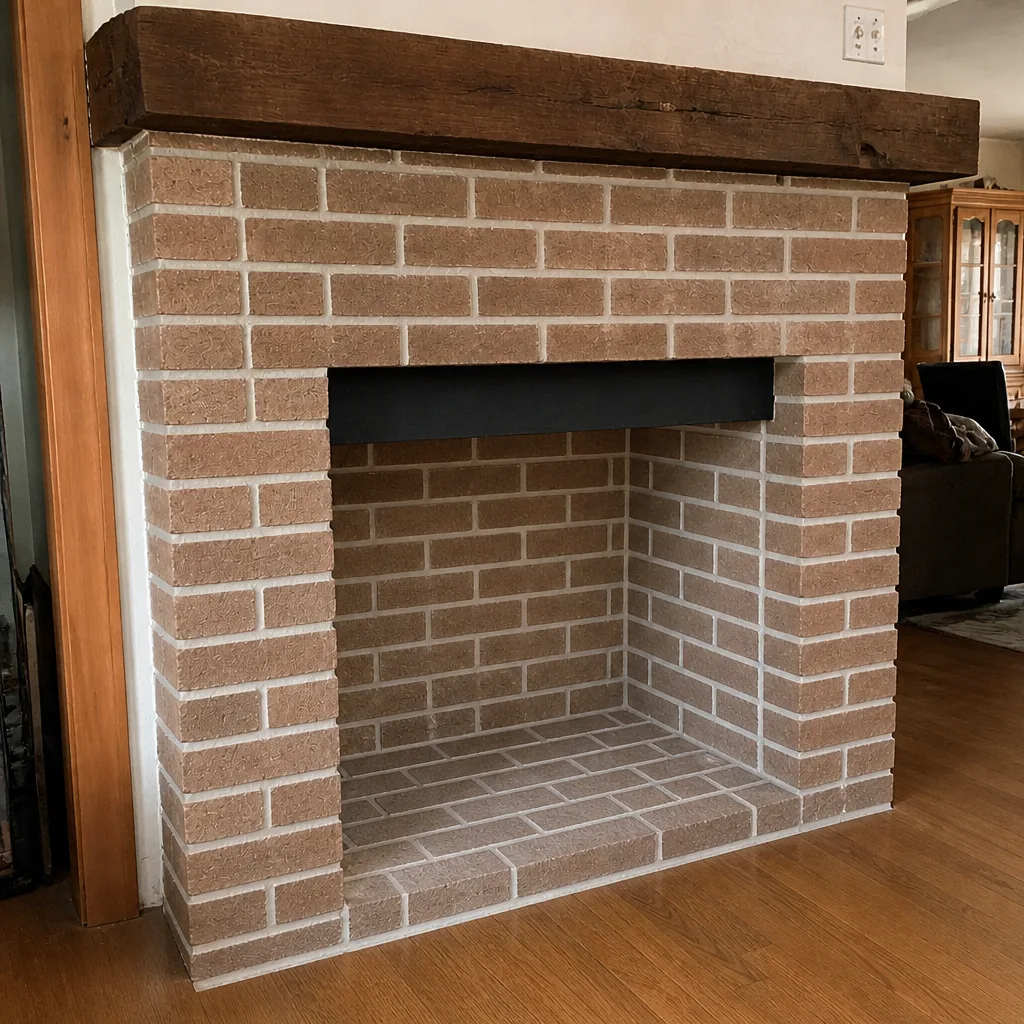
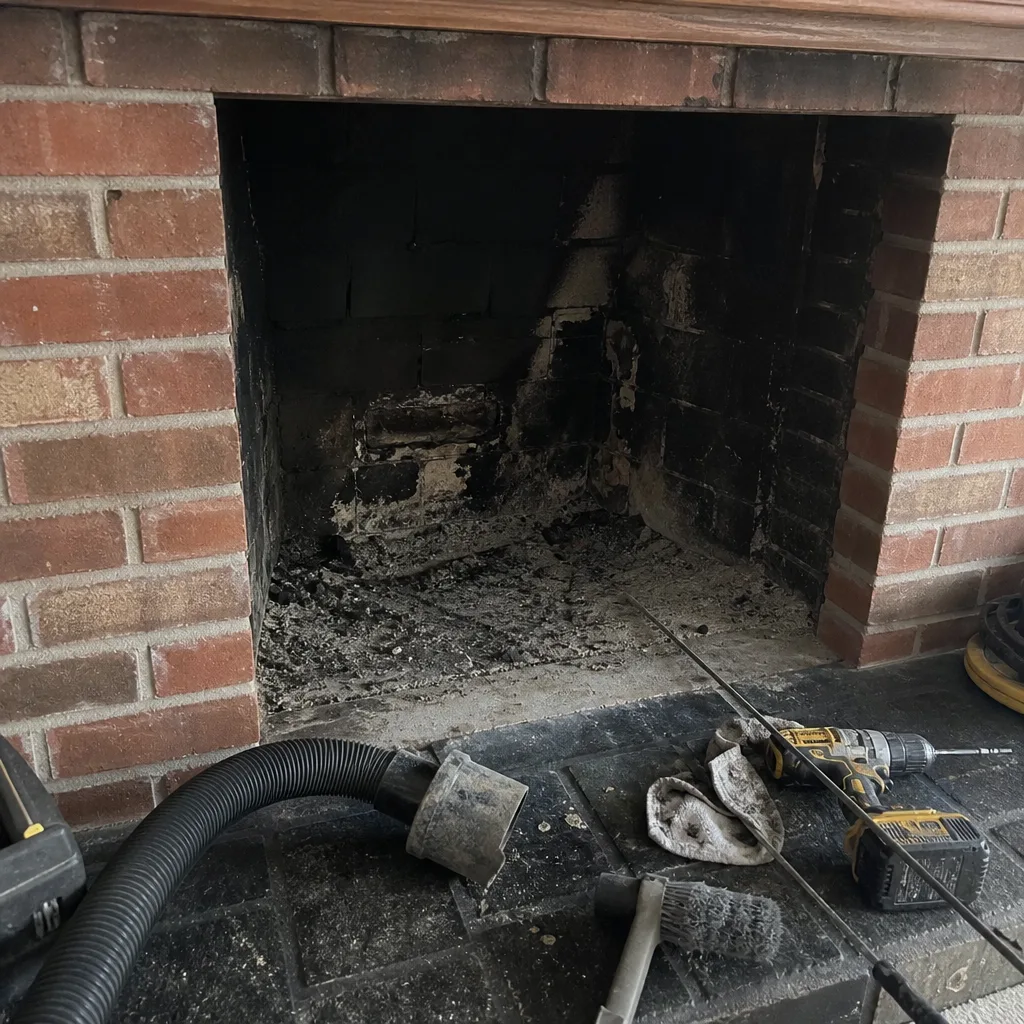
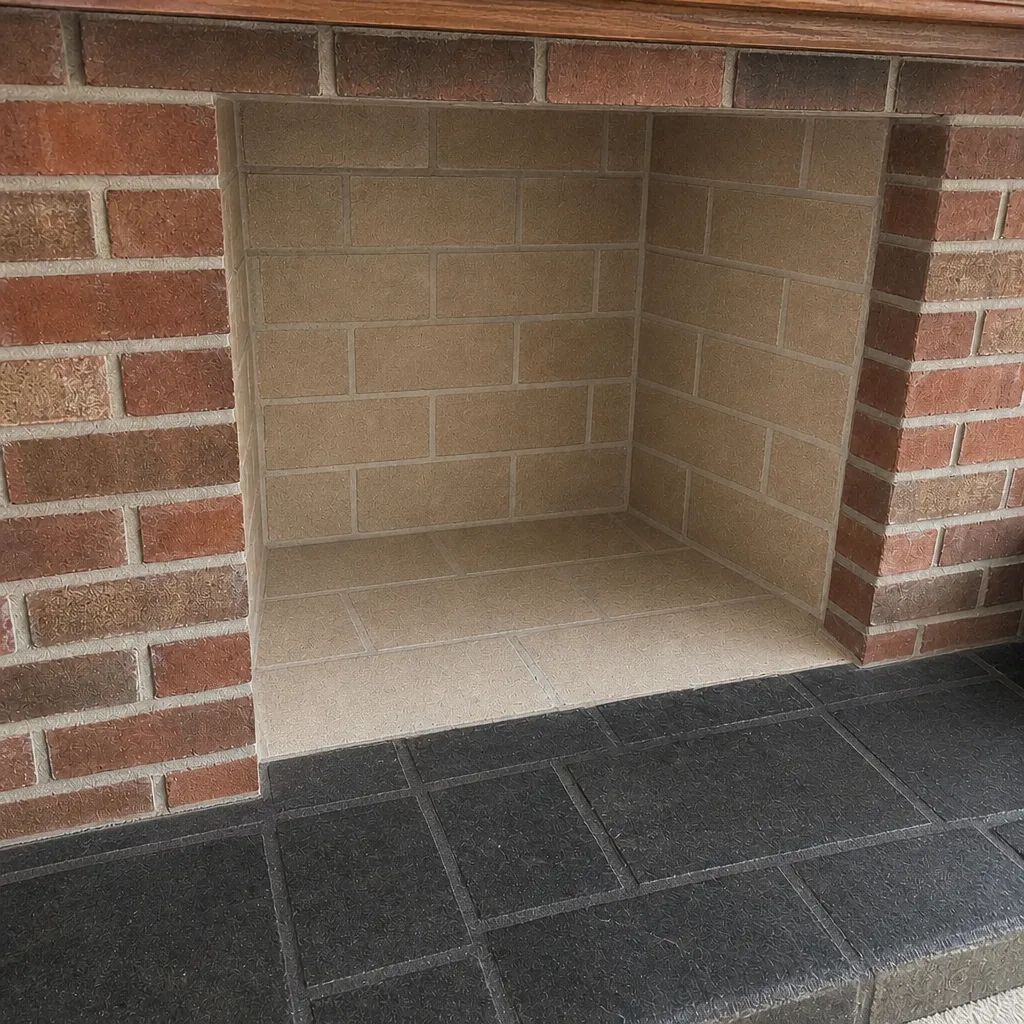
See the difference
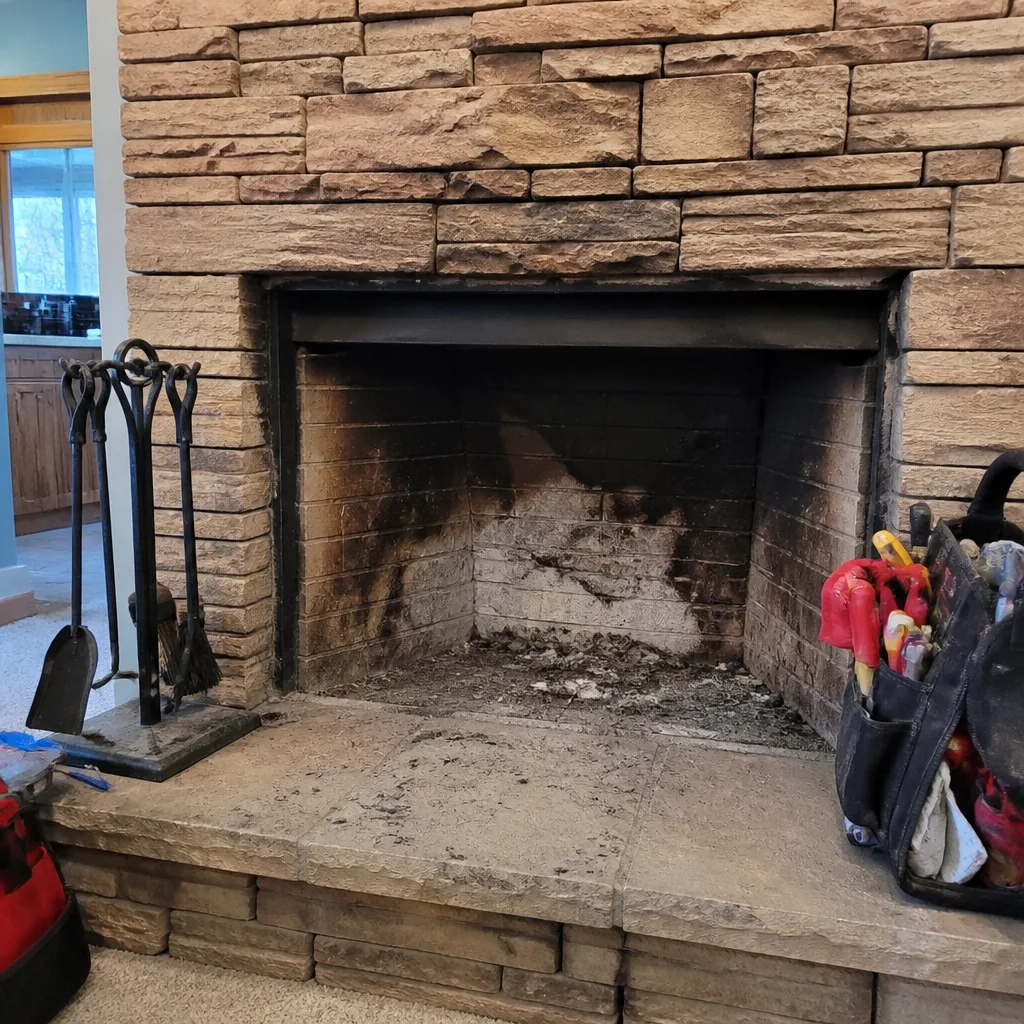 Before
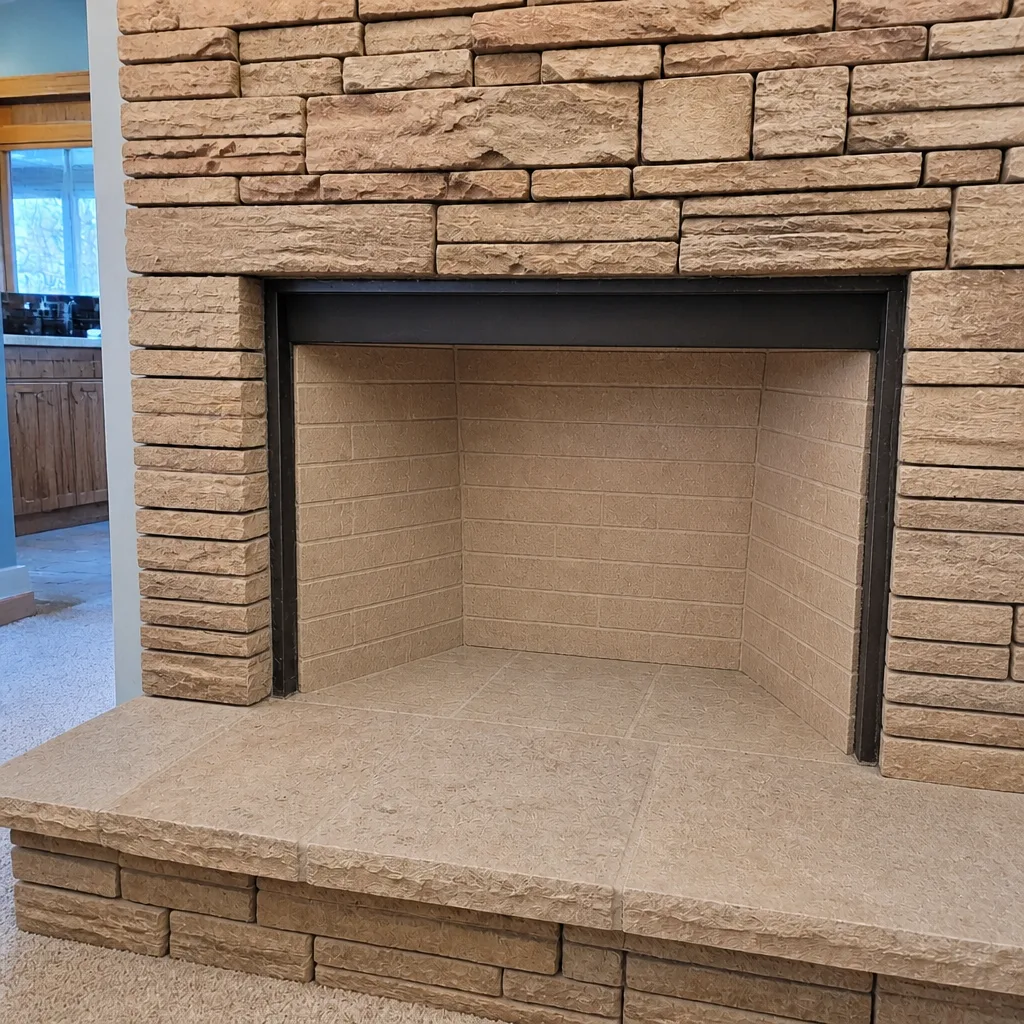 After
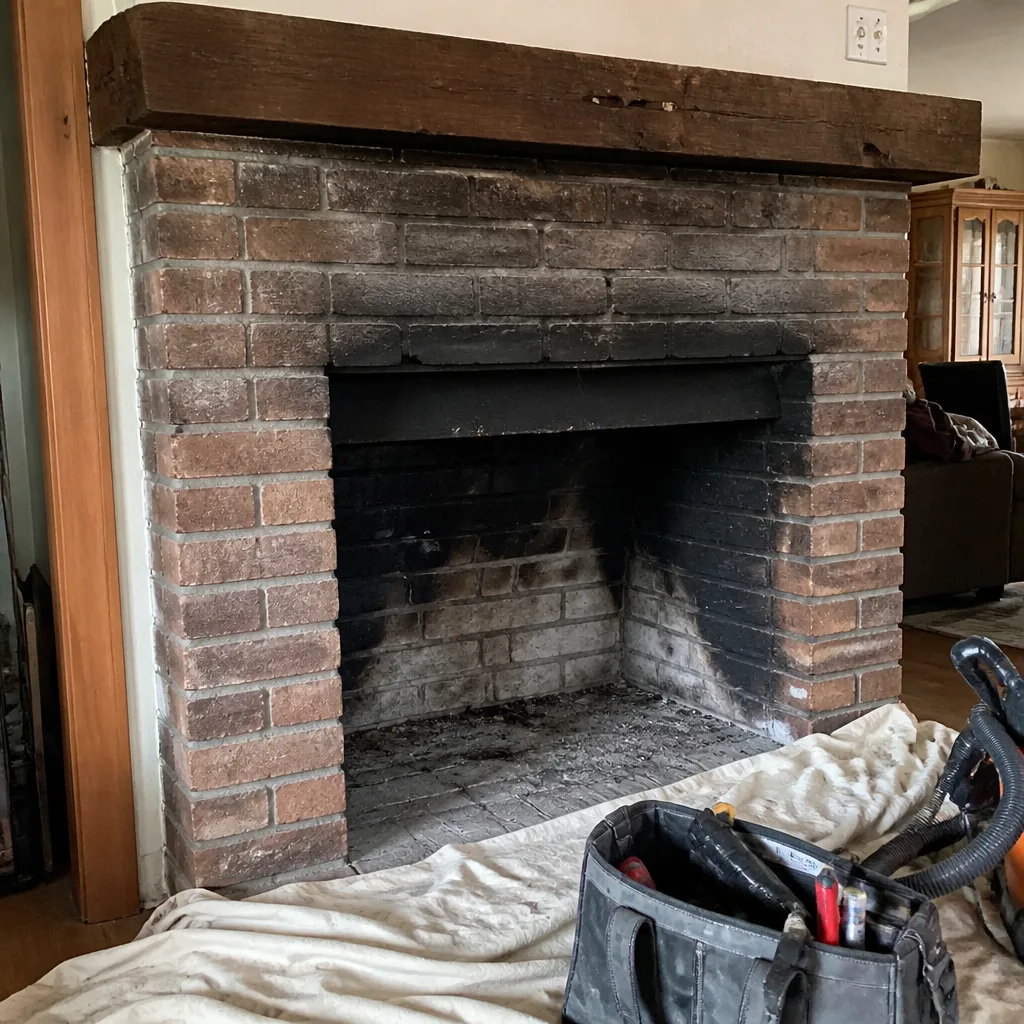 Before
 After
 Before
 After