
Last updated November 25, 2026
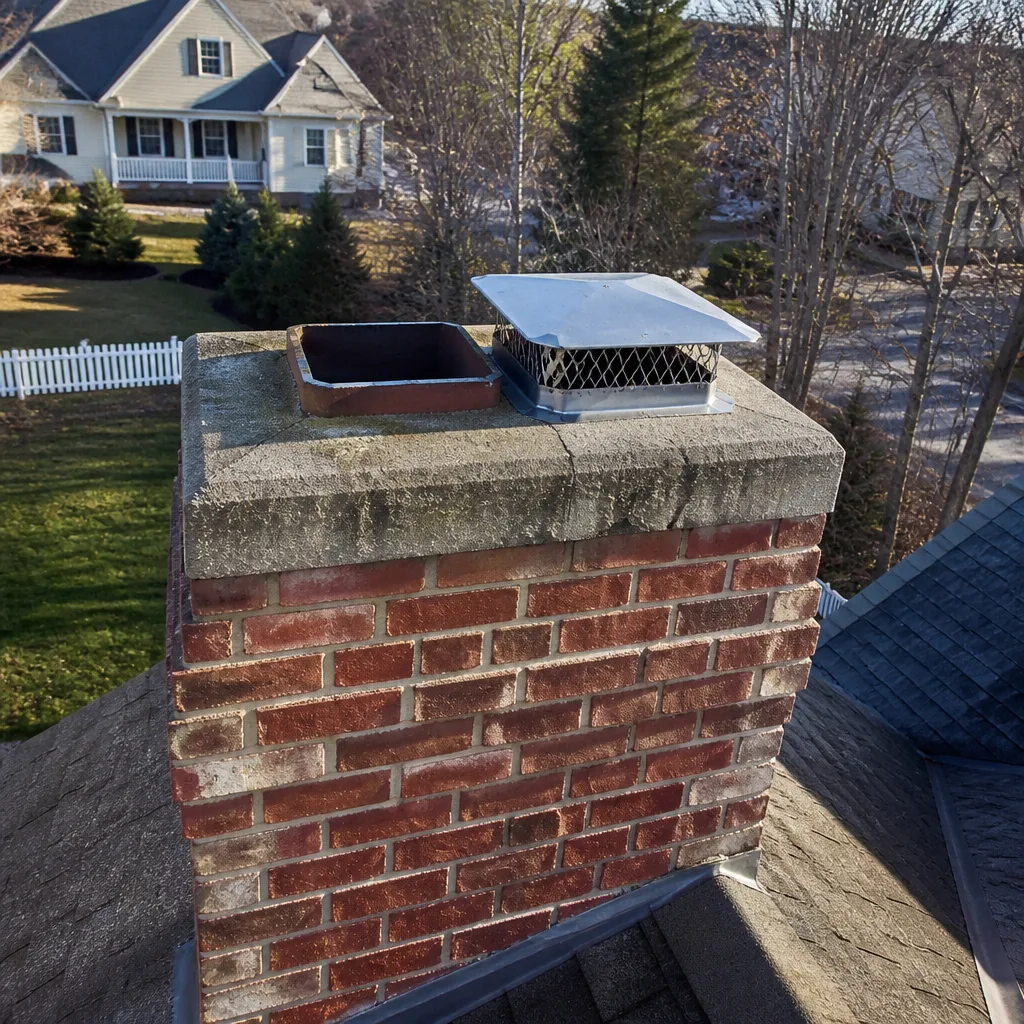 Sweep & inspection
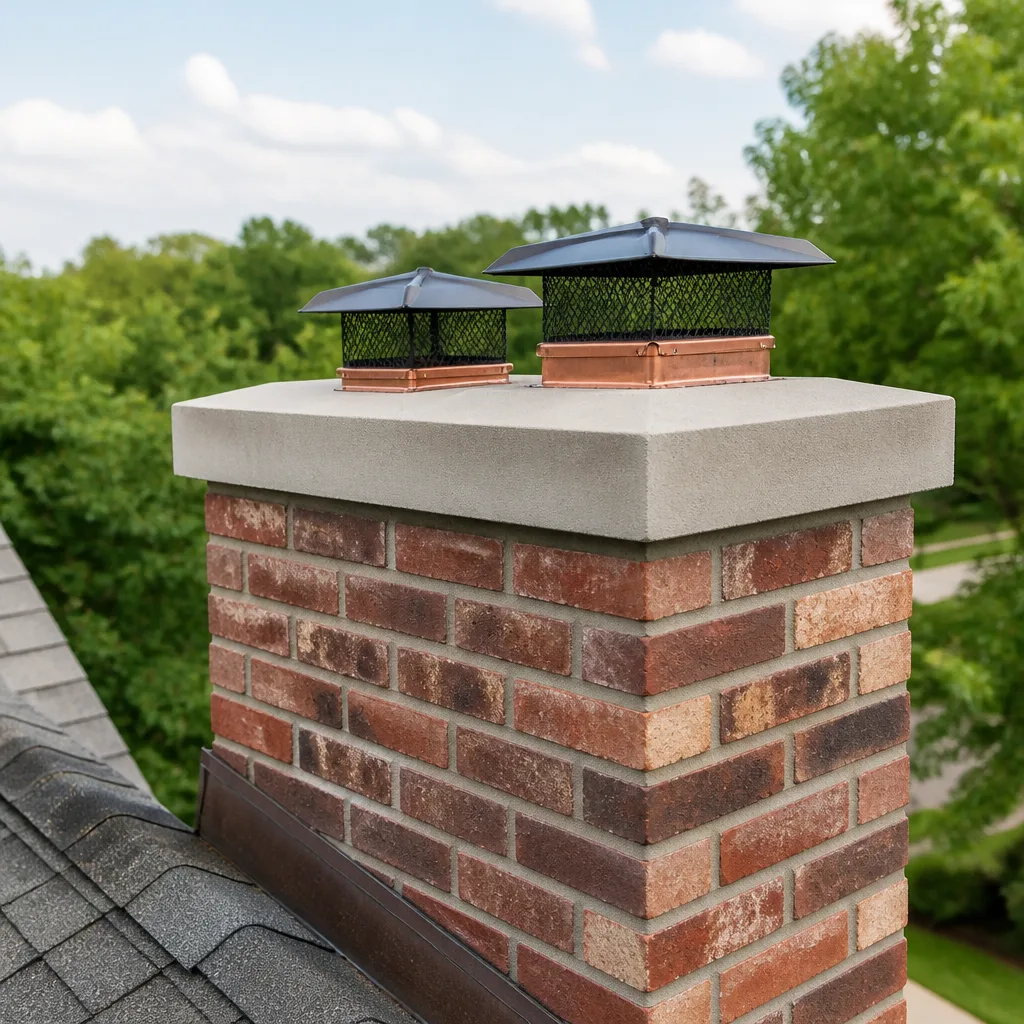 Caps & crowns
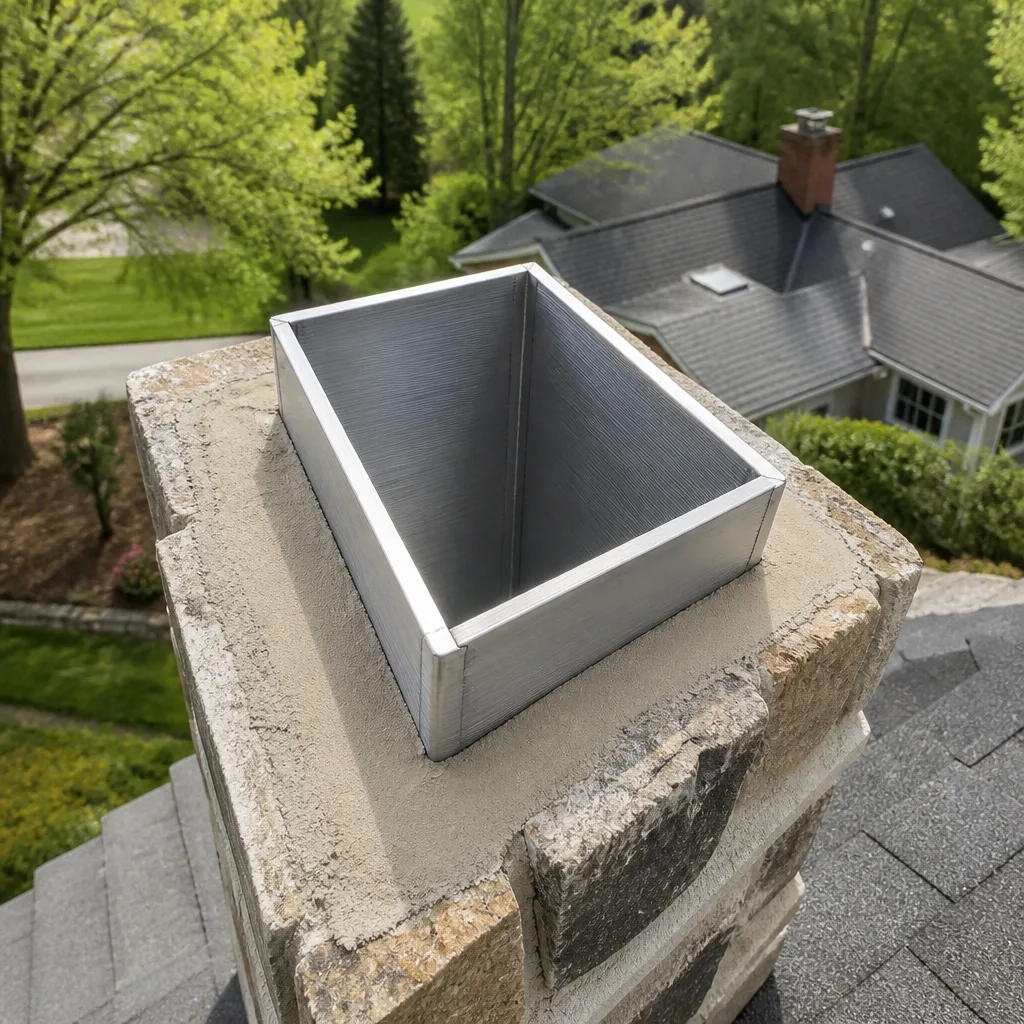 Flue relining
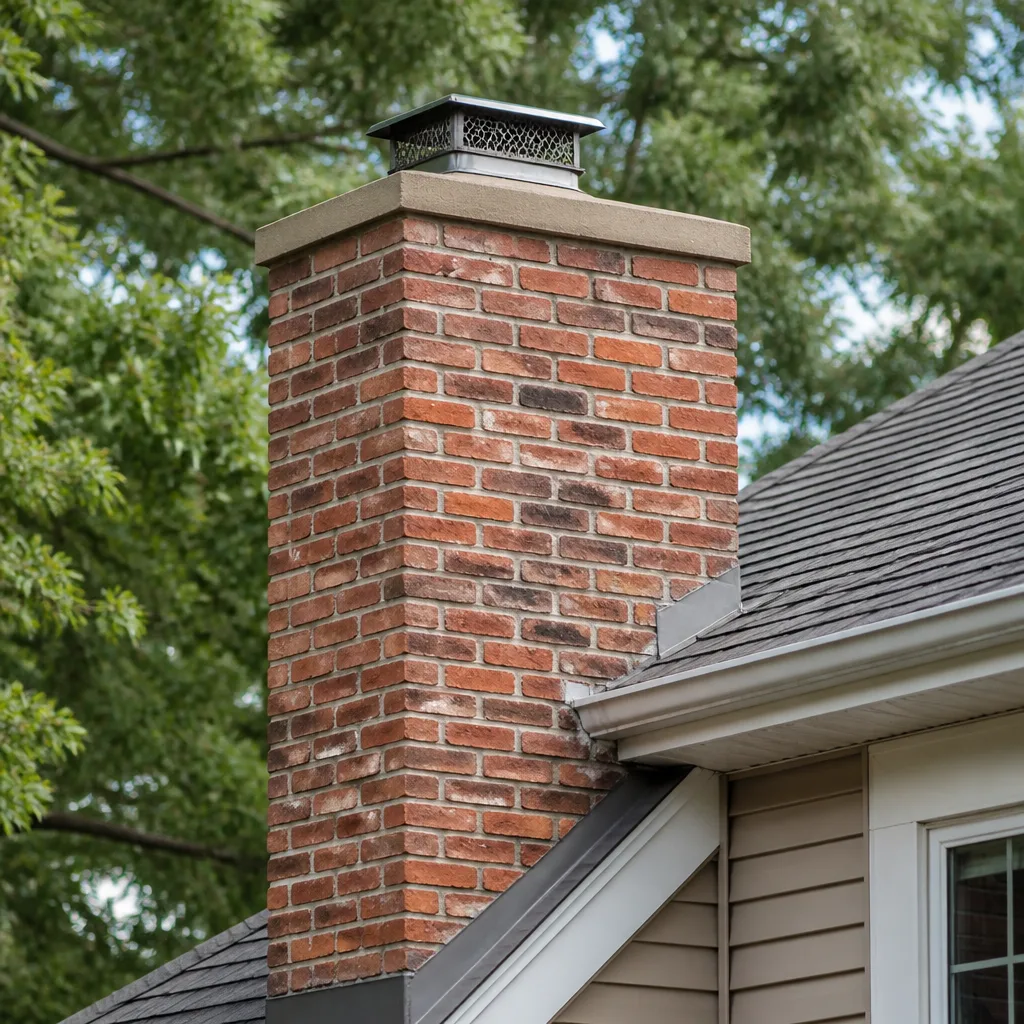 Masonry repair
 Gas fireplace service
Level 1 sweep and inspection to the NFPA 211 annual standard - flue, crown, cap, and flashing checked and photographed
Chimney sweep logs do not sweep chimneys. They loosen some creosote - which then falls where a brush and vacuum still have to collect it.
Chimney Cleaning Permits, Codes & Inspections in South Hill, WA: What You Need to Know
Most chimney work in South Hill needs no permit at all. A routine cleaning and a visual check fall under ordinary home maintenance, the same category as changing a furnace filter. The line moves when a job becomes structural: a new stainless liner, a rebuilt crown, masonry that has cracked and shifted, a flue that no longer meets clearance. That is where homeowners get caught, because the work looks like more of the same and the paperwork that should come with it is easy to skip. A relining job done without the required Pierce County permit isn’t just a paperwork problem, it’s a coverage gap your insurer can cite if a fire occurs.
In this guide we’ll walk through which chimney services in South Hill actually require a permit, how NFPA 211 and Washington State code fit together, what a proper Level 2 inspection looks like around a home sale or insurance claim, and how to check that the person doing structural work is licensed to do it. You’ll also get the questions to ask before you sign anything.
Quick Answer
In South Hill, routine chimney cleaning, sweeping, and a standard Level 1 inspection generally do not require a permit. Structural work such as a full liner replacement, masonry rebuild, or crown and cap installation that alters the flue system usually does require a permit through Pierce County. NFPA 211 sets the national standard, but Washington State building code and local Pierce County permitting rules take precedence where they are stricter.
Styles & brands we work with
- Sweep & inspection
- Caps & crowns
- Flue relining
- Masonry repair
- Gas fireplace service
Table of Contents
- Which chimney services need a permit in Pierce County?
- How NFPA 211 and Washington State code fit together
- What a code-compliant Level 2 inspection covers
- Inspections for South Hill home sales and insurance claims
- Your liability when work is done without a permit
- How to verify a contractor is licensed for structural work
- What South Hill’s climate and housing stock mean for your chimney
- Common mistakes to avoid
Which chimney services need a permit in Pierce County?
The clean rule: if the work restores what’s already there, you usually don’t need a permit. If the work changes the flue system, adds a component, or touches structural masonry, you usually do. Sweeping, cleaning, and the visual check that comes with a sweep are maintenance. A new stainless liner is not.
Here’s how the common services break down in South Hill and the rest of unincorporated Pierce County:
- Routine sweep and Level 1 inspection: no permit. This is cleaning and visual assessment only.
- Level 2 inspection (camera and full access): no permit. It’s an assessment, not a modification.
- Cap replacement: typically no permit when swapping a cap of the same type and size; check with Pierce County if you’re changing the type or adding a component.
- Crown repair or rebuild: depends on scope. Minor sealing repairs often don’t require a permit; rebuilding the crown or altering the top of the chimney usually does.
- Full liner replacement or relining: permit required. This is a change to the flue and needs inspection.
- Masonry rebuild, firebox repair, or structural tuckpointing: permit required.
- New appliance connection or flue resizing: permit required.
Pierce County’s permit office is the authority on your specific situation, and the scope of your job matters. If you’re ever unsure, call them before the work starts. When we quote a job in South Hill, we tell you upfront whether we’ll be pulling a permit and what it involves, because finding out after the fact is what causes problems.
One detail that trips people up: a repair can start small and grow. A cracked crown that we thought needed a seal may turn out, once the camera goes in, to have water damage behind the masonry. The permit picture changes with the scope. That’s why a documented inspection before the repair starts matters so much. It’s the difference between a known scope of work and an open-ended one.
How NFPA 211 and Washington State code fit together
NFPA 211 is the national standard for chimneys, fireplaces, vents, and solid fuel appliances. It’s the reference the trade uses for clearances, flue sizing, liner requirements, and inspection levels. Washington State’s building code adopts and modifies national standards, and Pierce County enforces the state code locally. The short version: NFPA 211 tells you what a compliant chimney looks like, and Washington State and Pierce County tell you what’s required to get there legally.
Where the two conflict, the stricter standard wins. In practice, that means:
- NFPA 211 governs the technical standard. It defines the clearances from combustibles, the liner material requirements, the inspection levels, and how a flue must be sized to the appliance. This is the standard a professional works to.
- Washington State code governs what’s legally required. The state adopts national standards into law and sets the permitting framework. Pierce County issues the permits and inspects the work.
- Local code wins where it’s stricter. If Pierce County requires a permit for a scope of work that NFPA would treat as a repair, the permit requirement applies.
- The appliance manufacturer’s instructions govern the appliance. For a wood stove or insert, the manufacturer’s listed clearances and connection requirements apply in addition to the code, and the stricter requirement controls.
For liner installations specifically, the code requires an appropriately listed liner sized to the appliance, correct insulation where the standard calls for it, and proper termination above the roof. This is where professional-grade materials matter. We install liners from DuraFlex and Olympia Chimney because those systems meet the listing requirements and are documented in the job file. That documentation is what a code inspector, an insurance adjuster, or a home buyer’s inspector will ask for.
The practical takeaway for a South Hill homeowner: NFPA 211 is the standard the work has to meet, Washington State and Pierce County control the paperwork and the permit, and the appliance manual fills in the rest. A professional working in South Hill should be able to explain all three without hedging.
What a code-compliant Level 2 inspection covers
A Level 2 inspection is the standard inspection required when a property changes hands, when an appliance changes or is added, or after a chimney fire or other event that may have damaged the flue. It goes beyond the visual check of a Level 1 by adding access to concealed areas and a camera run of the flue interior. If you’re buying or selling a home in South Hill, this is the inspection the transaction will reference.
A proper Level 2 inspection includes:
- Exterior assessment: the chimney structure, crown, cap, flashing, and masonry condition from the roof and from the ground.
- Interior assessment: the firebox, damper, smoke chamber, and accessible flue from the firebox side.
- Camera inspection of the flue: a full run to look for cracks, gaps, missing mortar joints, liner damage, and obstructions.
- Appliance and connection check: how the stove, insert, or fireplace connects to the flue, and whether the connection meets the listed requirements.
- Clearance verification: accessible clearances from combustibles, verified against NFPA 211 requirements.
- Written or photo documentation: a report of what was found, what’s fine, and what needs attention.
The documentation is the part too many sweeps skip. A photo report and written findings are what an insurer or a buyer’s agent will actually accept. Our chimney repair work starts from that documented baseline, so nothing gets recommended that we can’t show you on camera.
If you’re in South Hill and you’ve never had a camera inspection, this is the one appointment worth booking before anything else. It tells you exactly what you have. A standard annual chimney sweep includes a Level 1 visual check, and if that check turns up anything that warrants a closer look, we move to a Level 2 with photos.
Inspections for South Hill home sales and insurance claims
A chimney inspection during a South Hill home sale isn’t the same job as an annual sweep. The buyer’s inspector, the lender, and the insurer all want documented evidence of condition, not a verbal “it looked fine.” The report has to name what was inspected, what was found, and what, if anything, needs correction. Lenders and insurers increasingly want to see that the liner is intact and correctly sized, that clearances are met, and that the flue has been camera-inspected.
If you’re selling in South Hill, book the inspection early. A Level 2 with photos, done before the buyer’s inspection, gives you a strong position. If it finds a problem, you have time to fix it and document the repair. If it finds nothing, you have a report you can hand to the buyer.
If you’re buying, insist on a Level 2 if the seller hasn’t provided one. A chimney that looks fine from the driveway can have a cracked flue tile or a liner that was never listed for the appliance connected to it. That’s a real cost, and it’s the kind of item a buyer wants to know about before closing.
For insurance claims, the logic is similar. If you’ve had a chimney fire, a puffback, or water intrusion that reached the flue, the insurer will want a documented inspection that shows condition before and after any repair. Working with your insurer to document the scope is part of the process. We can work with your insurer on the documentation side, and the inspection report is the piece that makes the conversation possible.
If you’re selling a home and the buyer requests a chimney inspection, the Chimney Sweep South Hill team can handle the sweep, the inspection, and any repair the report identifies, with the documentation to back it up. It’s one call from diagnosis through repair instead of three separate contractors.
Your liability when work is done without a permit
Here’s where the permit question stops being bureaucratic. When a contractor performs structural chimney work without pulling a required permit, the homeowner owns the consequences. The permit is the record that the work was inspected and found compliant. Without it, there’s no record.
The exposure shows up in a few places:
- Insurance. If a fire occurs and the insurer finds that a required permit wasn’t pulled for a relining or masonry repair, that’s a potential coverage problem. Your policy requires you to maintain the home in a code-compliant condition, and unpermitted work is a gap.
- Disclosure at resale. Most jurisdictions require sellers to disclose known unpermitted work. It’s a red flag to a buyer and a negotiating problem for you.
- Retroactive permitting. If unpermitted work is discovered, you may need to have it permitted retroactively, which can mean opening walls, redoing work, or explaining the gap to a building inspector.
- Liability if someone is hurt. If a fire spreads because a liner wasn’t installed to code, the homeowner is the one with the property and the exposure.
The simplest way to avoid this: know before the work starts whether a permit is required, and get it in writing from the contractor that they will pull one. A contractor who resists pulling a required permit is telling you something about the rest of the job. In our experience, the homes that end up with a problem are the ones where the homeowner found out about the permit requirement after the work was already done.
How to verify a contractor is licensed for structural work
A chimney sweep certification and a contractor license are two different things. The certification (CSIA or equivalent) speaks to knowledge of chimney systems and the trade. It does not authorize someone to perform structural masonry work or pull the permits that require a licensed contractor. In Washington State, structural work requires a licensed contractor, and this is the line to check before you hire.
Here’s how to verify, in order:
- Ask for the contractor license number. Washington State requires contractors to be licensed to perform construction work, including chimney structural repairs. Ask for the number and the business name on the license.
- Look up the license on the state contractor lookup. The Department of Labor & Industries maintains the database. Confirm the license is active, the business name matches, and the work you’re hiring for is within the license scope.
- Ask for insurance and bonding documents. Verify that liability insurance and bonding are current. The local professional we connect you with is licensed and insured as their state requires, and the documents should be available on request.
- Ask about chimney-specific certification separately. Certifications for sweeping and inspection are a useful signal, but confirm the license independently.
- Get the permit responsibility in writing. The contract should state who pulls the permit for structural work. If it’s the contractor, ask for the permit number when the work starts.
This is the step South Hill homeowners most often skip, and it’s the one that protects you most. A sweep who can clean a flue correctly still isn’t the right person to rebuild a crown or install a new liner if they aren’t licensed and permitted to do it. Ask both questions: “Are you certified to sweep and inspect?” and “Are you licensed to do the structural work and pull the permit?” The answers should be clear and verifiable.
What South Hill’s climate and housing stock mean for your chimney
South Hill sits at the edge of the Cascade foothills in the Puyallup area, and the weather pattern here matters for your chimney system. The fall and winter bring steady rain and temperature swings that go from cold nights to mild afternoons and back. That cycle drives water into masonry, freezes it, and expands it, and over time it cracks the crown and opens joints in the flue. Wood-burning season here is long enough that a chimney accumulates creosote steadily, and the wet shoulder seasons mean a chimney that sat through the summer tends to be damp when the first fire of the season gets lit. That combination, damp masonry and a fresh fire, is the one worth checking before the season starts.
The housing stock on South Hill adds another variable. Plenty of homes here have masonry fireplaces original to the house, and some have had inserts or stoves retrofitted over the years. Each retrofit should have included a correctly sized and listed liner, and the documentation for that liner is what we look for. If it’s missing or the liner wasn’t sized to the appliance, the code picture changes. That’s a Level 2 conversation, not a sweep.
Water intrusion is the other common thread in South Hill. Cap and crown are the two most common points of water entry on a chimney, and both are our work. When we find water staining on a ceiling or a damp firebox, the inspection goes to the cap, the crown, and the flashing. Capping and crown repair are part of the same service, which means we’re not diagnosing the problem and then handing it to someone else.
Common Mistakes to Avoid
- Assuming a sweep and a structural contractor are the same thing. Certification to sweep and inspect is not the same as being licensed to perform structural chimney work. Ask both questions before you hire, especially in a home sale where the documentation will be scrutinized.
- Skipping the camera inspection before a repair. A sweep who finds a problem and quotes a repair without a camera run is guessing. In South Hill, damp masonry can hide a cracked flue behind an intact exterior. Insist on the camera before the repair.
- Not asking who pulls the permit. If the contractor says a permit isn’t needed for a liner replacement, ask why. Get the answer in writing and verify it. Unpermitted relining is a coverage risk you carry at resale.
- Treating a Level 1 visual check as a full inspection. A visual check at the firebox and the roof is useful but it doesn’t see the flue interior. If you’re buying or selling, you need a Level 2 with photos.
- Replacing a liner when resurfacing would work. HeatShield and similar resurfacing systems can restore a liner in qualifying chimneys without a full tear-out. A contractor who only quotes a full replacement isn’t giving you the full set of options. Ask whether resurfacing is a fit for your situation.
- Ignoring the cap and crown until there’s a water stain. Both are the most common points of water entry. Address the cap and crown proactively rather than after a leak shows up in the ceiling.
- Assuming the buyer’s inspection report is enough. If you’re selling in South Hill and the buyer’s inspector flagged the chimney, having your own documented Level 2 report puts you in a much stronger negotiating position than a verbal assurance.
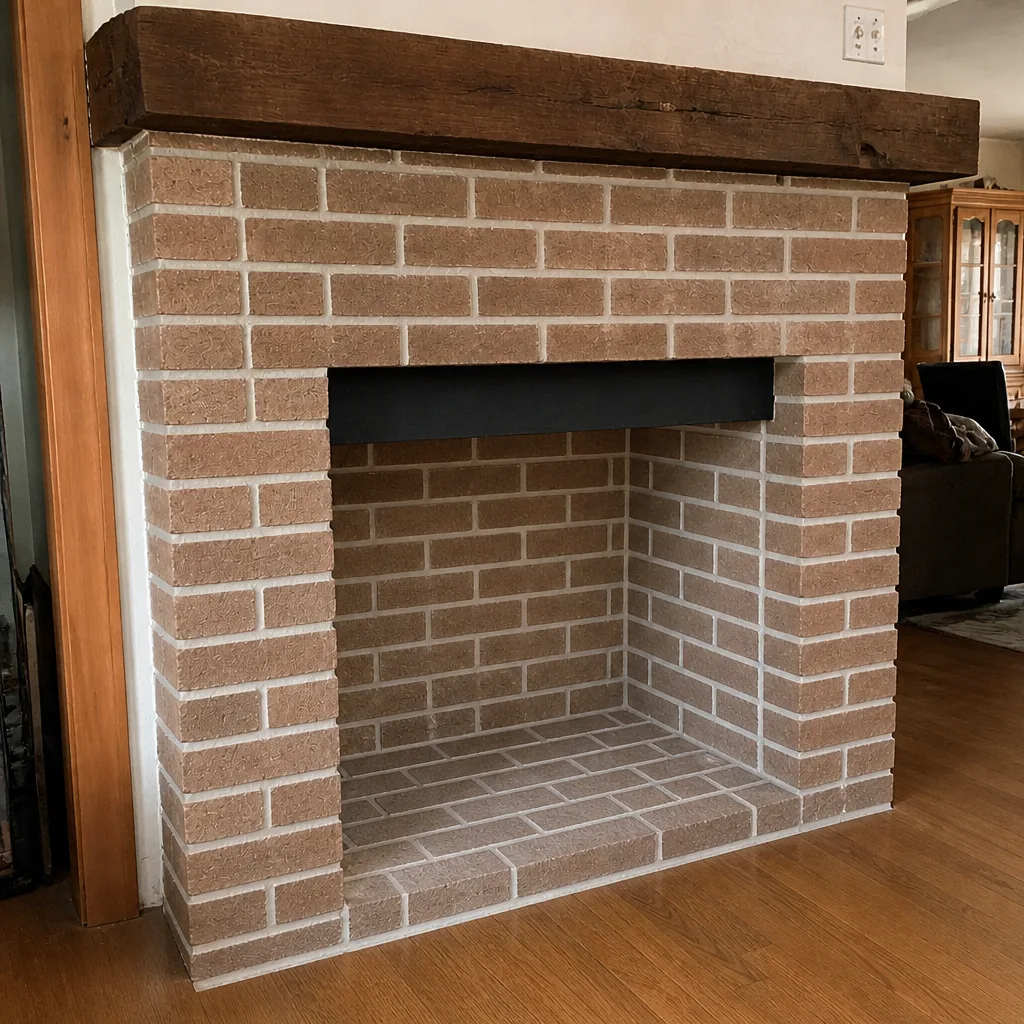
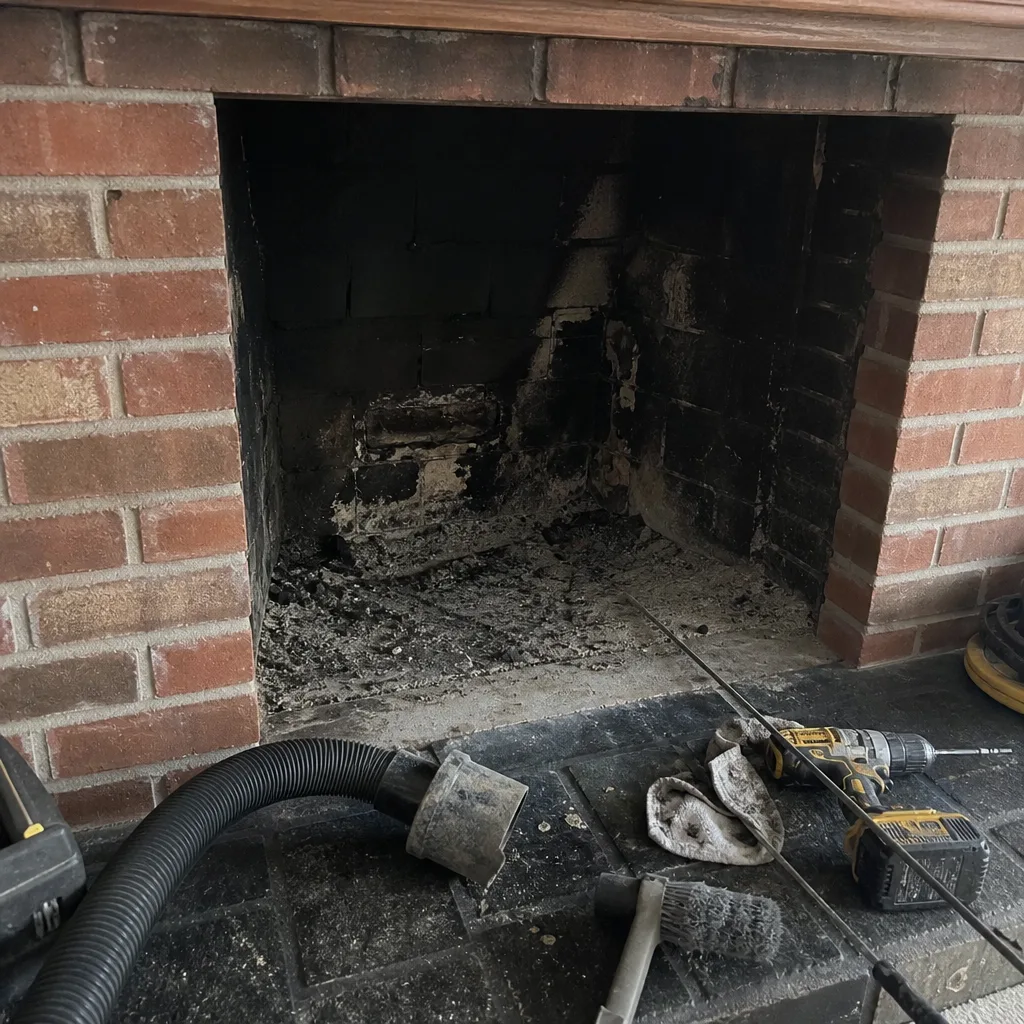
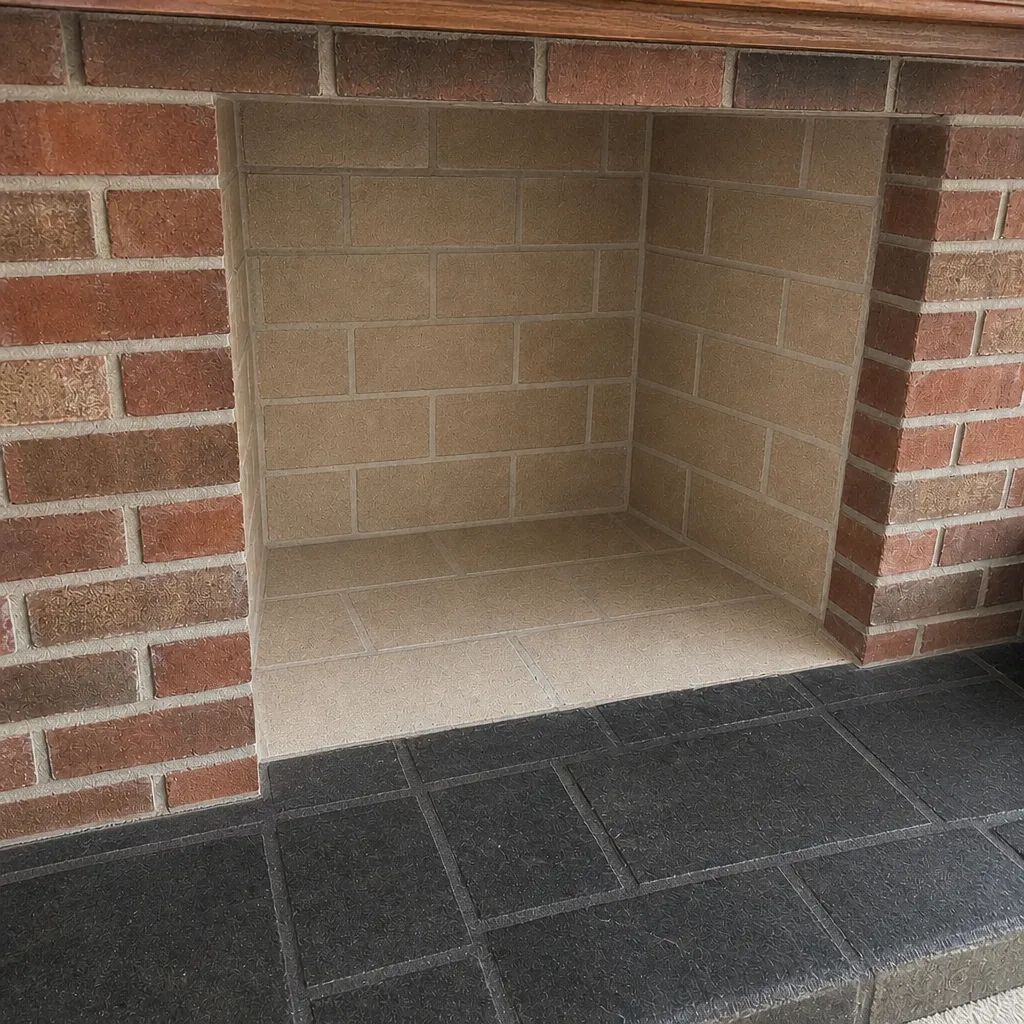
See the difference
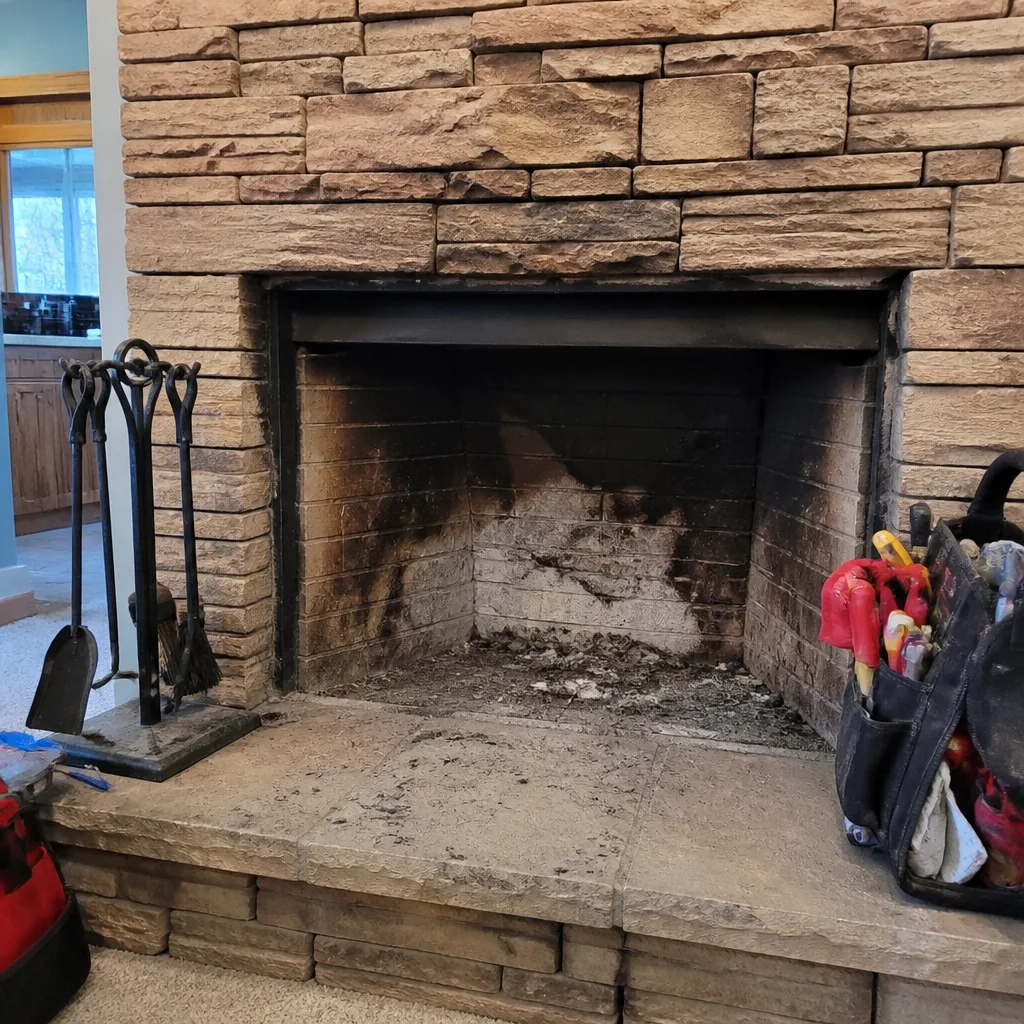 Before
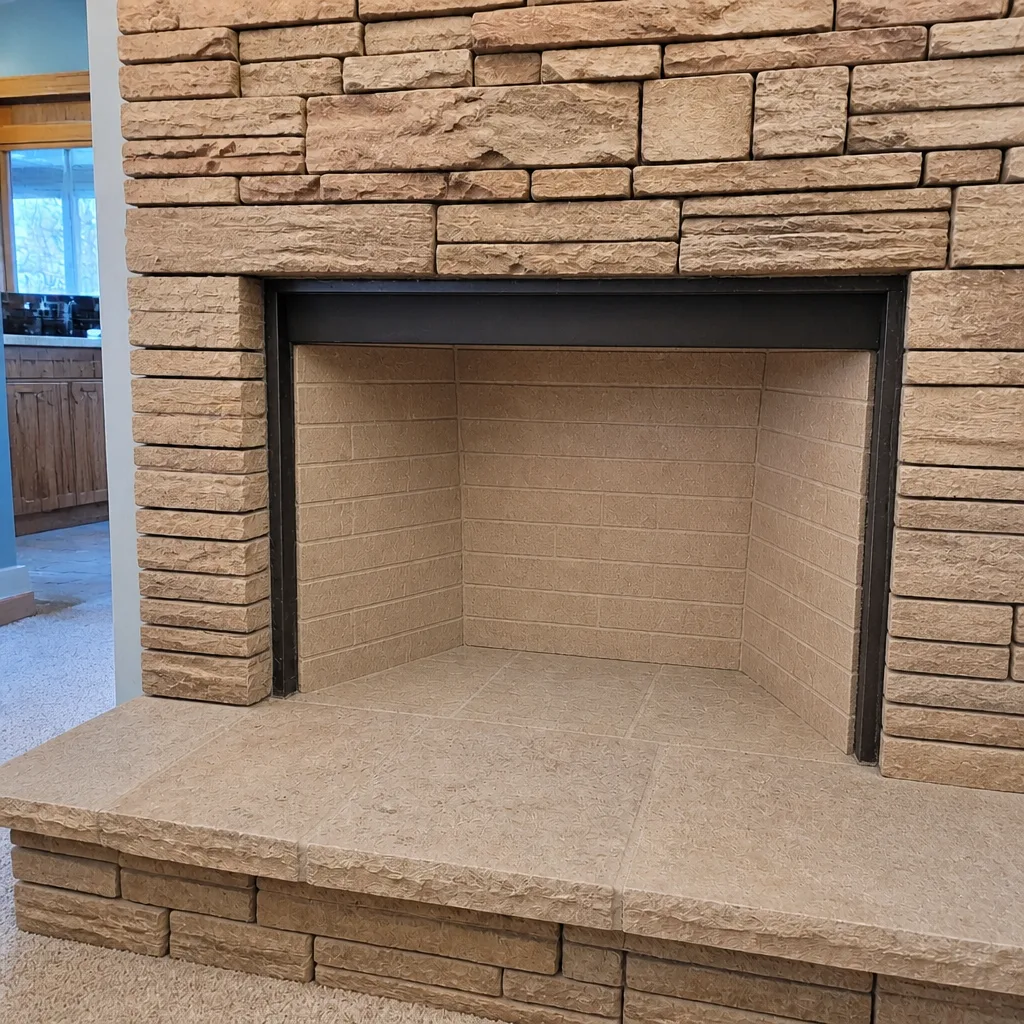 After
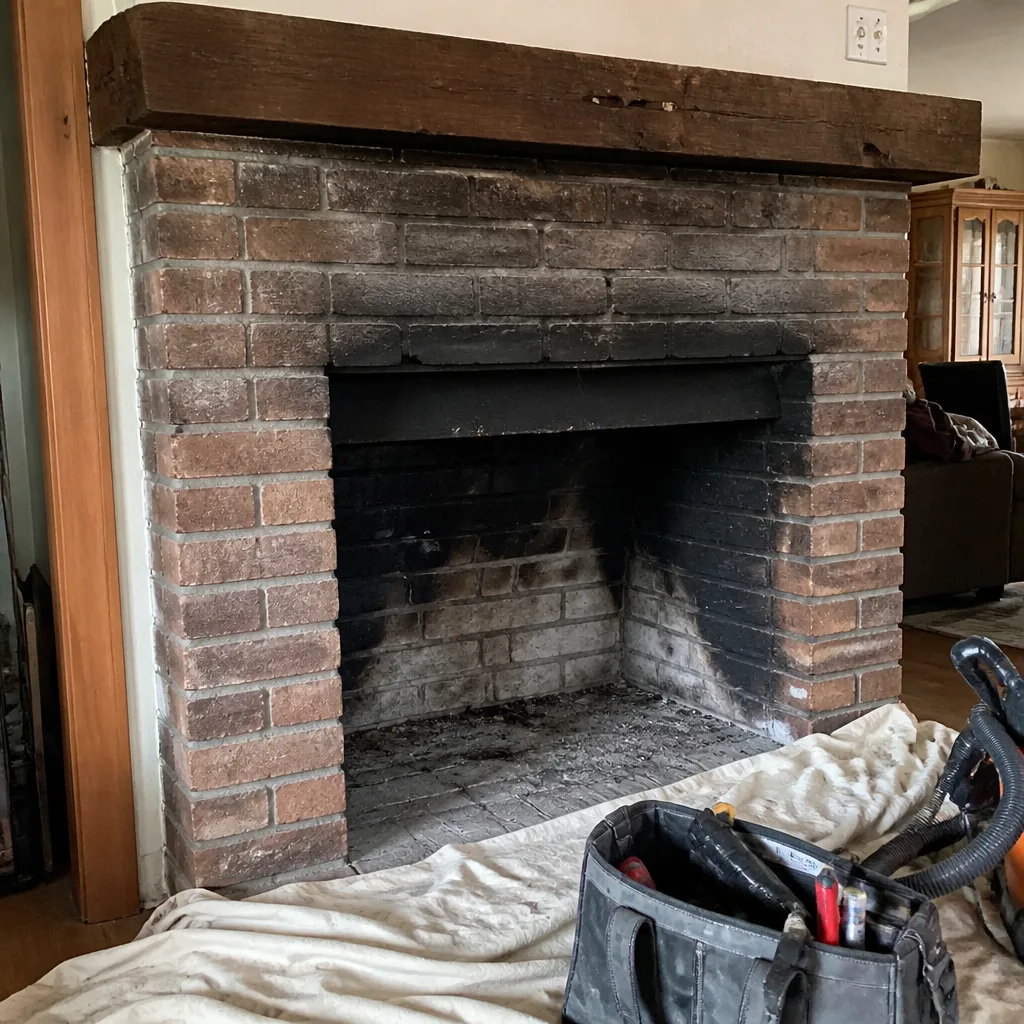 Before
 After
 Before
 After
When to Call a Professional
Call a professional if you haven’t had the chimney inspected this year, if you’ve had a chimney fire or a puffback, if you see water staining on a ceiling or wall near the chimney, if the firebox is damp, if you smell smoke in the house when the fire is lit, or if you’re buying or selling a home in South Hill and the transaction needs a documented inspection. Call before the season starts if the fire hasn’t been lit and the chimney has sat all summer. Safety is the reason to act: a blocked or damaged flue sends carbon monoxide back into the house, and a cracked flue from an oversized or unlined flue is exactly what a camera inspection is there to catch.
Chimney Sweep South Hill offers free estimates in South Hill. Call (877) 792-6671 to book. We handle the sweep and anything we find, from the cap and crown to a new liner, so you’re not calling a second company to finish the job. Call (877) 792-6671. We answer 24/7. Fast dispatch from 7am to 7pm, Sunday through Friday.
Frequently Asked Questions
No. Routine chimney cleaning and a Level 1 visual inspection are considered ordinary home maintenance and do not require a permit in South Hill or anywhere in Pierce County. A permit is typically required when the work becomes structural: a liner replacement, masonry rebuild, or a change to the flue system. Call (877) 792-6671 if you’re not sure which category your job falls into.
Full liner replacement or relining, masonry rebuilds, firebox structural repair, and any work that alters the flue or adds an appliance connection typically require a permit through Pierce County. Routine sweeps, Level 1 and Level 2 inspections, and cap swaps of the same type often do not. The scope of the specific job decides it, so it’s worth calling the county or asking us before work starts. Call (877) 792-6671 for an exact quote and a straight answer on the permit question.
NFPA 211 is the national technical standard for how a chimney should be built and maintained; Washington State code adopts national standards and sets what’s legally required, with Pierce County enforcing it locally. Where the two conflict, the stricter standard applies. In practice, NFPA 211 tells you what a compliant chimney looks like, and Washington State and Pierce County tell you what’s required to get there.
It’s not always mandated, but a Level 2 inspection is what a buyer, lender, or insurer will want to see, and it’s the standard the transaction will reference. A Level 2 includes a camera run of the flue and a written or photo report, which a Level 1 visual check does not. Book it before the buyer’s inspection so you’re not negotiating from a defensive position. Call (877) 792-6671 for a documented inspection.
Ask for the contractor license number and look it up on the Washington State Department of Labor & Industries database. Chimney sweep certification and a contractor license are separate; the certification speaks to trade knowledge and the license authorizes structural work and permits. The local professional we connect you with is licensed and insured as their state requires. Call (877) 792-6671 if you want the specifics for your job.
The homeowner carries the exposure. Your insurer can cite the missing permit if a fire occurs, the work becomes a disclosure issue at resale, and a building inspector may require retroactive permitting. The permit is the record that the work was inspected and found compliant. Without it, that record doesn’t exist. Call (877) 792-6671 for a quote that includes the permitting step where it’s required.
The Bottom Line
Most chimney cleaning in South Hill doesn’t need a permit, and that’s the part that’s easy to get right. The part worth remembering is the line: liner replacement, masonry rebuilds, crown rebuilds, and appliance changes move into permit territory, and Pierce County is where that permit comes from. NFPA 211 is the technical standard the work should meet, Washington State and Pierce County control the paperwork, and the appliance manual fills in the rest. A code-compliant Level 2 inspection with photos is the record that protects you at resale and with your insurer, and verifying a contractor’s structural license is a five-minute check worth doing. If you have questions about your own system, fireplace repair and inspection start from the same documented baseline we work from on every job.
Ready to know exactly what your chimney system needs? Chimney Sweep South Hill offers free estimates in South Hill. Call (877) 792-6671 for a free estimate. We answer 24/7. Fast dispatch from 7am to 7pm, Sunday through Friday. Our technicians have up to 15 years of experience, and we handle the sweep, the inspection, and any repair the report identifies, with the documentation to back it up.
Written by the team at Chimney Sweep South Hill.