
Last updated November 25, 2026
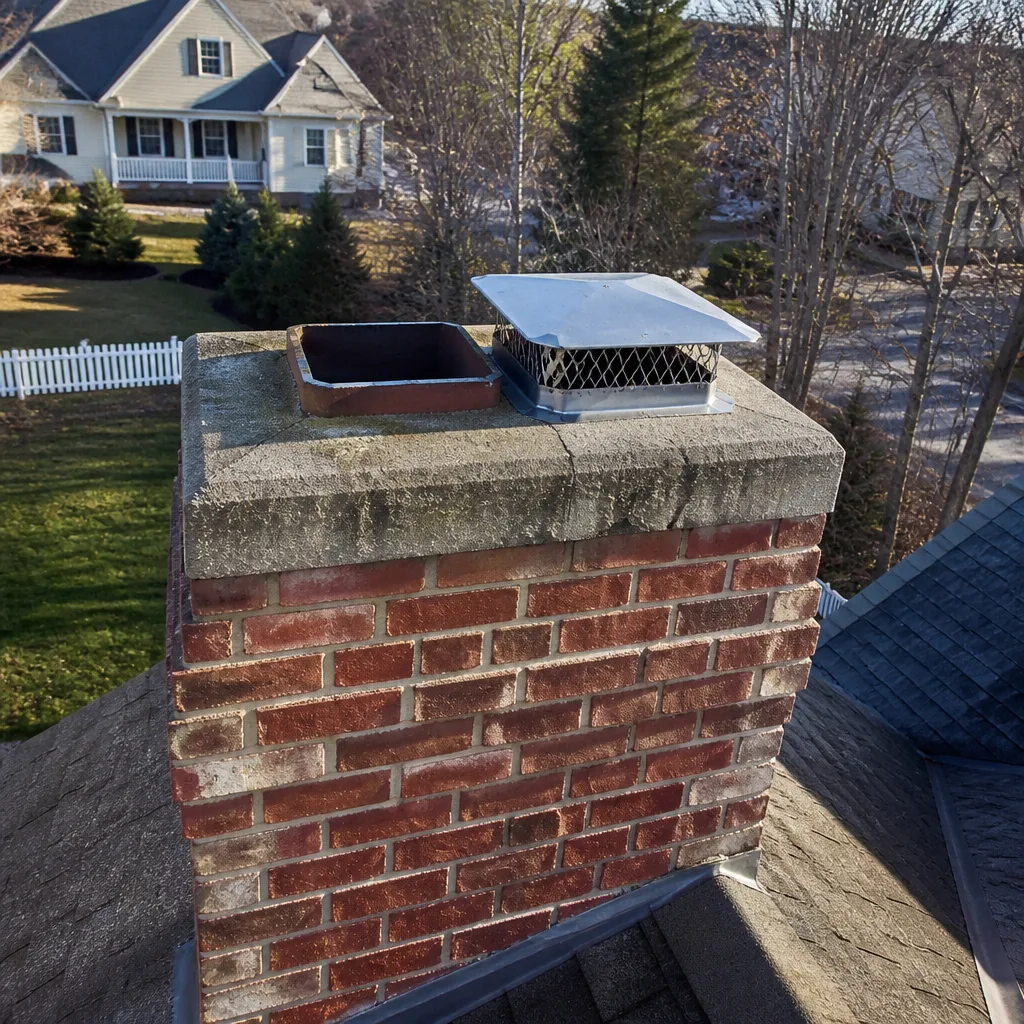 Sweep & inspection
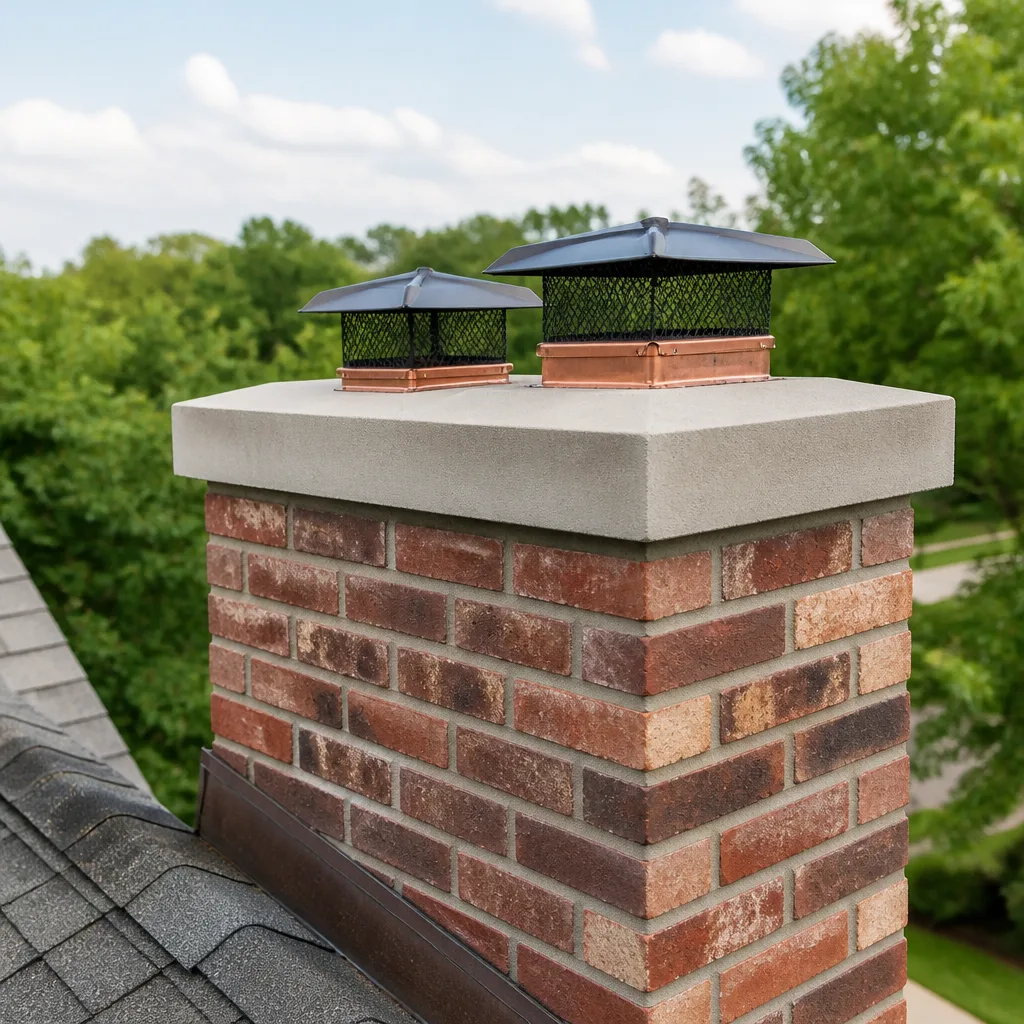 Caps & crowns
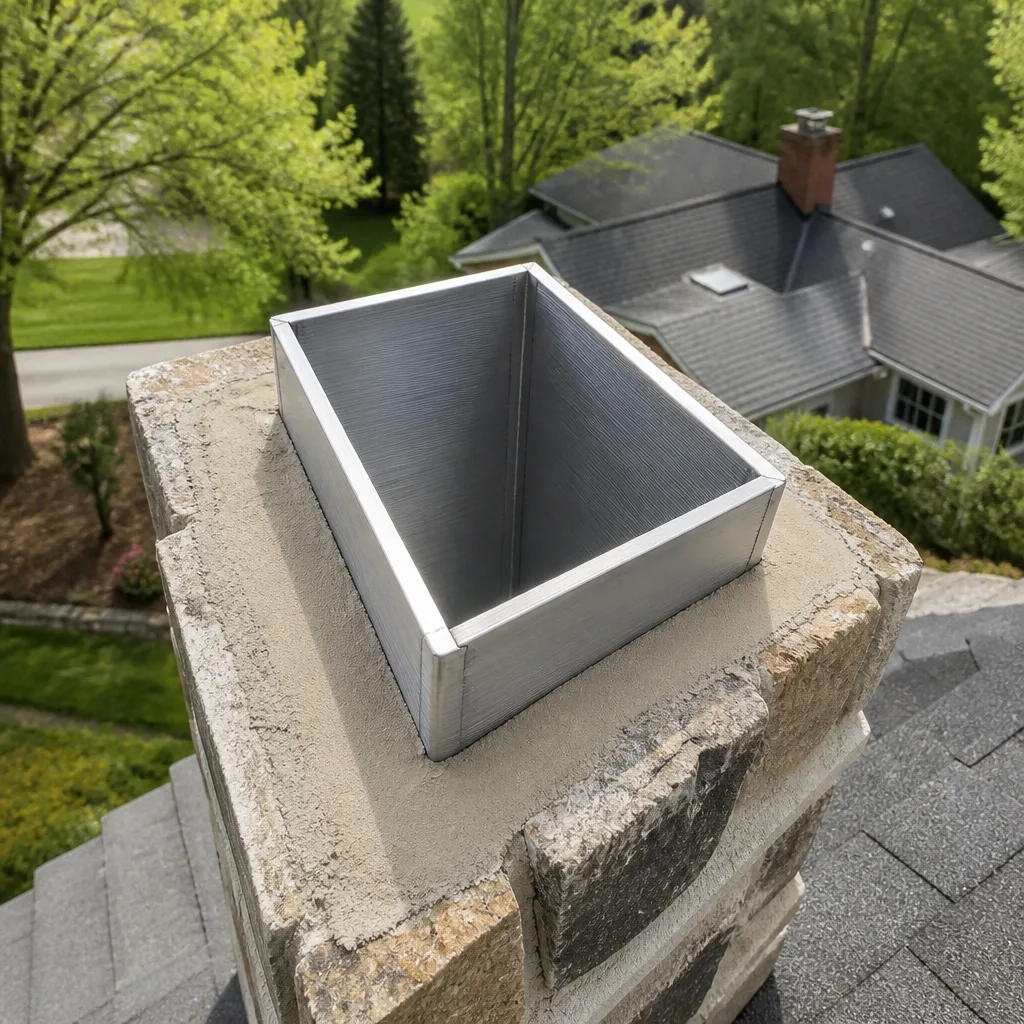 Flue relining
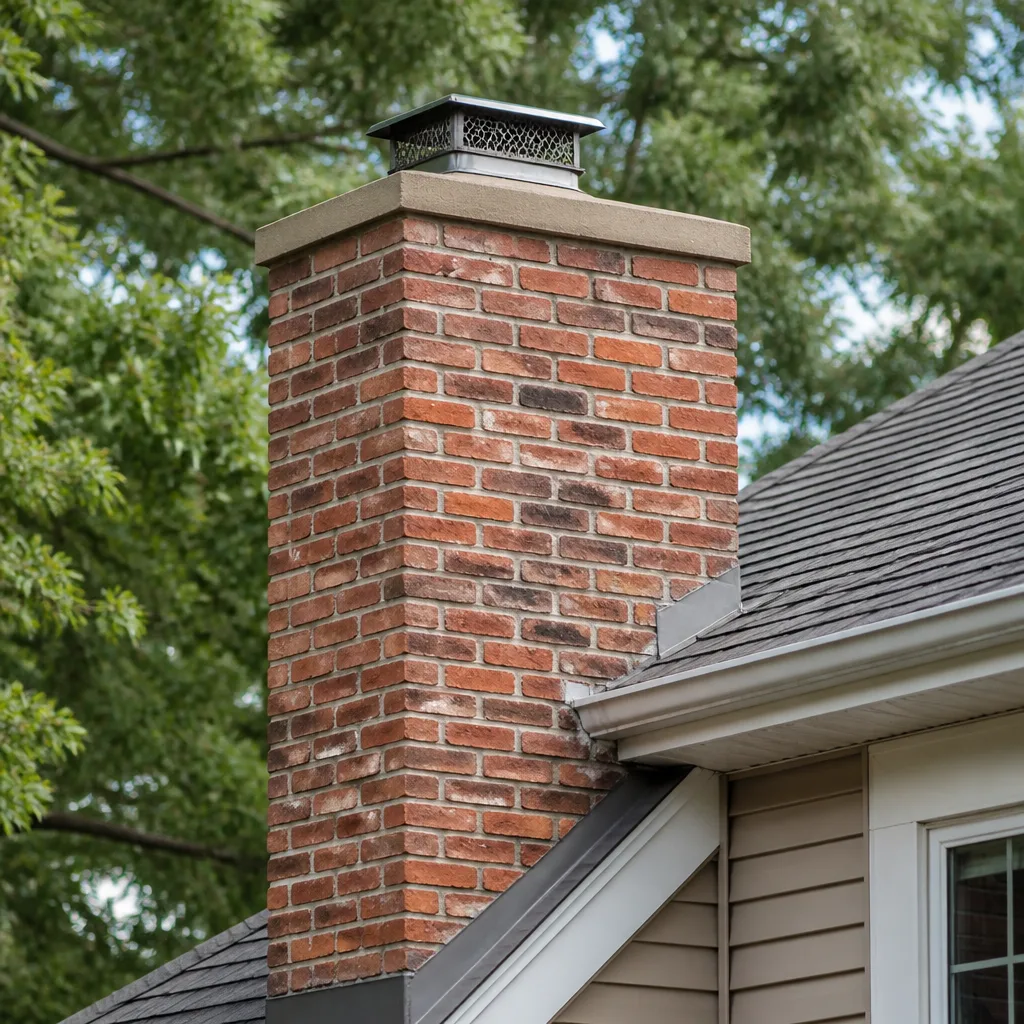 Masonry repair
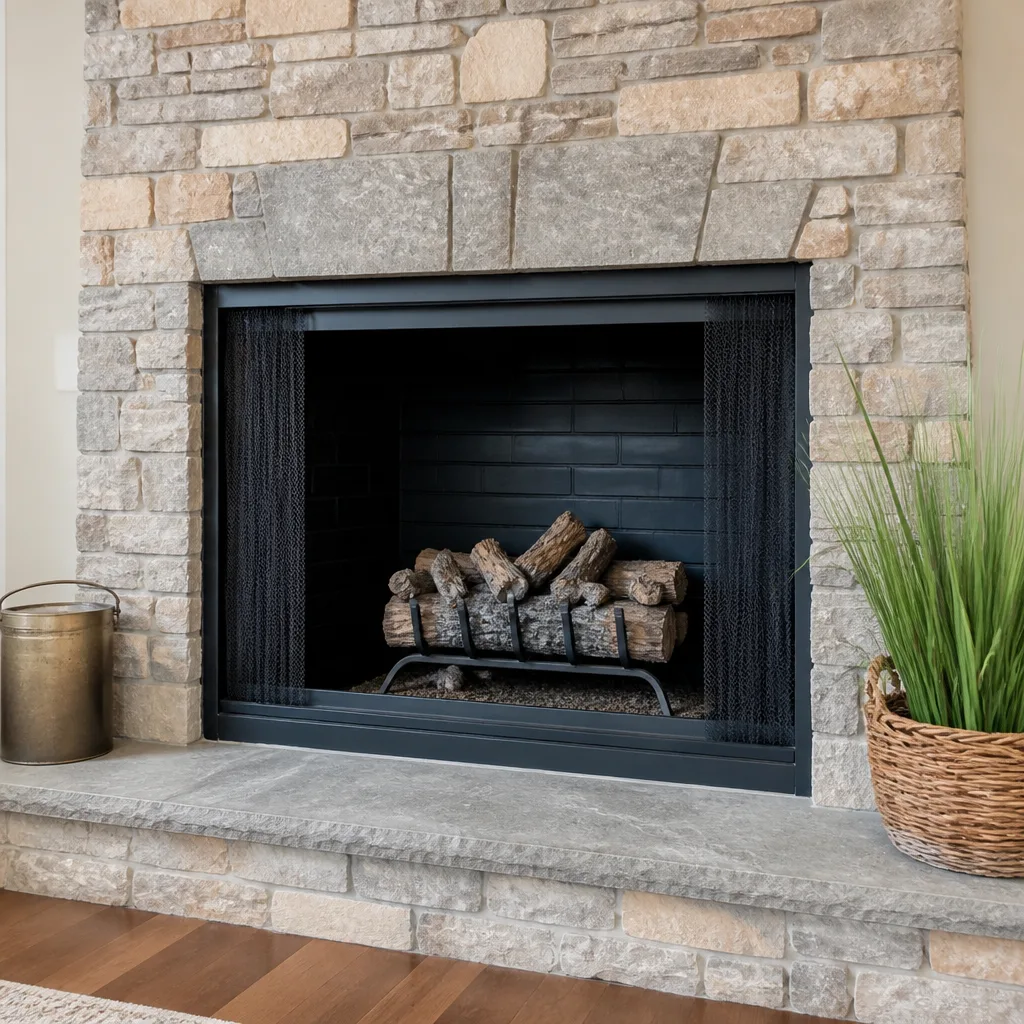 Gas fireplace service
Level 1 sweep and inspection to the NFPA 211 annual standard - flue, crown, cap, and flashing checked and photographed
Chimney sweep logs do not sweep chimneys. They loosen some creosote - which then falls where a brush and vacuum still have to collect it.
Chimney Cleaning Cost Breakdown: The South Hill Homeowner’s Reference for 2026
A $79 chimney cleaning and a $349 chimney cleaning are often the same brush pass. The difference usually isn’t the scrubbing – it’s whether the company is positioning for the inspection upsell or building a relationship that lasts past the visit. That single distinction explains more of the price variance in South Hill than any real difference in labor. When you know what each line item funds, you can compare quotes on equal footing instead of defaulting to the lowest number on the page. This guide breaks down the actual costs of chimney cleaning in South Hill in 2026, what drives the variation, and what deferred maintenance really costs over time.
Quick Answer
A standard chimney sweep in South Hill typically runs $150 to $300, and a Level 2 inspection with camera adds $100 to $200 on top. Liner repair with HeatShield resurfacing generally falls between $1,200 and $2,400, and a full stainless relining with DuraFlex runs $2,800 to $5,500 depending on height and liner configuration. The written estimate sets the final price, and it’s free.
Table of Contents
- What You’re Actually Paying For in a Chimney Cleaning
- 2026 Chimney Service Pricing in South Hill
- Inspection Levels and What Each One Costs
- What Drives the Price Up or Down
- Small Repair Now vs. Second Contractor Later
- The Real Cost of Deferred Maintenance
- How to Compare Chimney Quotes Line by Line
- Why South Hill Chimneys See What They See
What You’re Actually Paying For in a Chimney Cleaning
A chimney cleaning bill covers four broad categories of work, whether the invoice itemizes them or not. Understanding each one tells you whether a low number is a genuine bargain or a stripped-down service that leaves work for later.
Basic sweep labor is the brush pass itself – running rods and brushes through the flue to remove creosote and soot buildup. On a straightforward chimney with easy roof access, this is the bulk of the visit. On a taller stack, a steep pitch, or a flue with awkward offsets, labor stretches considerably.
Inspection time is the time the technician spends looking at what the brush revealed: the liner, the firebox, the damper, the smoke chamber, the crown, and the cap. A quick glance is not an inspection. A proper visual examination takes time, and the level of inspection (more on those shortly) determines how much time.
Camera equipment use covers the video scope that goes up the flue to check for cracks, gaps, and liner separation you can’t see from either end. Camera-equipped inspections cost more because the equipment and the time to run it cost more.
Travel time matters more than most homeowners realize. A chimney company driving from outside the area to reach South Hill loses an hour in traffic each way. That cost either shows up as a travel line item, gets baked into the base price, or gets quietly dropped by a company cutting corners. You want to know which one.
A cleaning quote that lists only a single total – “Chimney cleaning: $X” – gives you nothing to compare. Ask for the breakdown. Reputable companies will give it. Call (877) 792-6671 for a free estimate from a company that shows you the components.
2026 Chimney Service Pricing in South Hill
Typical 2026 pricing for chimney services in the South Hill area breaks down into ranges rather than fixed numbers because every chimney system has different access, height, and condition. The ranges below reflect what we see across the trade locally. Your written estimate sets the final figure after the technician sees your system – not before.
| Service | Typical 2026 Range | What It Covers |
|---|---|---|
| Standard chimney sweep | $150 – $300 | Brush pass, basic creosote removal, visual check |
| Level 1 inspection | $75 – $150 | Visual check with accessible components |
| Level 2 inspection with camera | $200 – $400 | Video scope of flue, full documentation report |
| Level 3 inspection | $400 – $1,200+ | Includes investigation of concealed areas when needed |
| Liner repair with HeatShield resurfacing | $1,200 – $2,400 | Restoration of qualifying clay tile liners |
| Full stainless relining with DuraFlex | $2,800 – $5,500 | Full replacement liner, weather-sealed top and bottom |
| Chimney cap installation | $175 – $450 | Manufacturer-grade stainless or copper cap |
| Crown rebuild or repair | $350 – $1,200 | Sealing and structural repair at the top |
| Firebox or masonry repair | $400 – $2,000+ | Varies by extent of damage |
Two things to note about that table. First, level 3 inspections are rare – they come into play when a camera inspection finds something that requires opening up a wall or masonry section. Most South Hill homeowners never need one. Second, a sweep is often quoted with the Level 1 inspection included, so make sure your quote says whether the inspection is bundled or added separately.
Inspection Levels and What Each One Costs
Chimney inspections come in three recognized levels, and knowing which level your job needs prevents paying for more than necessary – or getting less than you need.
A Level 1 inspection is a visual check of all readily accessible parts of the chimney and venting system. It’s the standard for an annual maintenance visit on a chimney that has no known problems and hasn’t changed use. It’s the least expensive and the right call for routine service.
A Level 2 inspection adds a video camera scope of the flue interior and a documented written report with images. It’s needed when the appliance or fuel type changes, when a property changes hands in a real-estate transaction, after an event that might have damaged the chimney, or when the homeowner reports a problem they want diagnosed. Real-estate buyers and sellers specifically want this level documented, and insurers expect it.
A Level 3 inspection is the most involved. It’s recommended only when the Level 1 or 2 finds a hidden problem that requires access to concealed areas – which may mean opening a wall, removing part of the crown, or accessing a flue section that’s blocked. It’s about diagnosing, not fixing, and the scope drives the price more than any standard number could.
Here’s the practical sequence we recommend for a South Hill homeowner with no known issues:
- Book the annual sweep with a Level 1 check included.
- Ask for the camera scope (Level 2) if anything in that visual check looks uncertain.
- Only go to Level 3 if the camera reveals a concealed problem that requires access.
- Get the written report from the technician in every case, especially if you’re buying or selling.
When we work with homeowners, we don’t recommend a level that the chimney’s condition doesn’t call for. An inspection is proactive protection, not a scare tactic. Call (877) 792-6671 to book the right level for your South Hill home.
What Drives the Price Up or Down
Two chimneys of the same height with the same liner type can price hundreds of dollars apart. Here’s what moves the number.
Chimney height. Taller chimneys mean more rods, more brush passes, and slower work. A one-story run is fundamentally different from a two-story stack with a full basement below the firebox.
Liner type and condition. A smooth factory-built stainless liner cleans quickly. A rough clay tile liner with spalling surface catches creosote and takes longer to bring back. HeatShield resurfacing is often the cost-conscious alternative when a clay liner is rough but not fully failed – it restores the flue surface without tearing out and replacing the whole liner.
Accessibility. A chimney on a low-slope roof with a clean approach prices one way. The same chimney on a steep pitch with an obstruction prices another. Accessibility is also the reason you should never set a price by phone before the technician sees the roof – neither should you accept a phone-quoted price as final.
Creosote stage. The National Fire Protection Association (NFPA) classifies creosote in three stages based on severity. Stage 1 is light soot that brushes off easily. Stage 2 is glazed and harder to remove. Stage 3 is a dense, hardened glaze that may require chemical removal before brushing – and the longer a chimney runs between cleanings, the more likely it will reach the higher stages. This is the single largest driver of a price difference on what looks like the same sweep.
Materials on hand. When a company stocks standard components – like a DuraFlex liner section, a HeatShield mix, or a manufacturer-grade cap from Olympia Chimney or Copperfield – they can often finish a small repair on the same visit. When a technician has to order parts, you pay for a second visit with equal labor cost included.
Small Repair Now vs. Second Contractor Later
A small repair spotted during a cleaning visit usually costs noticeably less than the same repair scheduled separately weeks later. There are three reasons.
First, the technician is already on the roof with the equipment out. The setup cost is absorbed into the visit. A second company starting from scratch charges for the same setup again, plus the discovery.
Second, the diagnosis is fresh. When the same person who made the finding does the fix, there’s no passage of a “you diagnosed it, now prove it” second invoice at the repair company’s rate.
Third and most practically, a small repair done now stays small. A cracked cap flange, a single cracked crown section, or a slightly separated liner joint is a fast fix when caught during a cleaning. If it goes unaddressed through the wet South Hill winter, the water intrusion it allows will have turned the same small repair into a bigger one by spring. That’s the real pricing difference – not just what each visit costs, but what each visit catches.
When we handle the sweep and anything we find, you get one relationship instead of a hand-off. Nothing gets pushed onto a separate contractor, and nothing gets deferred because it doesn’t fit the schedule.
The Real Cost of Deferred Maintenance
Here’s where the arithmetic gets uncomfortable, and it’s the strongest argument for actually scheduling the cleaning you meant to schedule.
A $200 cleaning that’s put off for two seasons becomes something different. In wet South Hill winters, water that enters a chimney through a cracked crown or a missing cap doesn’t stay at the top. It runs down the flue, soaks masonry and liner joints, and freezes in the cold snaps. Repeated freeze-thaw cracks accelerate. A liner that had 15 years of usable life when it was clean now has a visible crack after two winters of neglect.
That progression looks like this on an invoice:
- Cleaning put off: $0 today.
- Cleaning plus crown repair once the damage surfaces: roughly $200 plus $350 to $1,200 for the crown.
- Liner replacement because the damage has gone past resurfacing: $2,800 to $5,500 for full relining.
The $200 cleaning, done on time, is the version of that story where the total stayed under $500. The version where it wasn’t done is where the total crosses four figures.
None of that is a reason to panic. It’s a reason to know what your system is doing before fire season starts. The cost of getting ahead of a chimney problem is far lower than the cost of catching up to it.
How to Compare Chimney Quotes Line by Line
When you have three quotes in front of you, the lowest total is not the same thing as the best value. Line-compare them on these six things.
- Is the inspection level stated? “Sweep included” without a level probably means a visual glance, not a documented report.
- Is the camera scope itemized or bundled? If it’s bundled, the price reflects it. If it’s not there at all, the flue interior is unexplored.
- Is the written report included? Documentation matters if you’re selling, buying, or making an insurance claim. A quote that doesn’t mention a report may not produce one.
- What’s the creosote stage assumption? A quote that doesn’t mention stage is assuming light buildup. If yours is glazed, the price goes up – either on the visit or on a second invoice.
- Is there a travel or accessibility line? If not, either the company is local or the cost is hidden in the base.
- What’s the repair path? A sweep-only company will refer you elsewhere for the fix the sweep reveals. A company that handles the sweep, repair, and cap and crown in the same job avoids the hand-off cost.
Also worth checking: whether the company can source professional-grade components. A sweep-only operator has to call in a third party for a DuraFlex liner or a HeatShield resurfacing – and that call gets invoiced to you. Companies that work with a curated roster of brands from Famco, Gelco, Olympia Chimney, and Copperfield can usually resolve what they find without subcontracting.
If a quote doesn’t give you enough line detail to compare, ask. A reputable company will explain. Call (877) 792-6671 for a free estimate with the components shown to you.
Why South Hill Chimneys See What They See
South Hill’s mix of wet winters and dry summers is hard on chimneys, and it shapes what a cleaning and inspection actually find here.
The wet season drives water intrusion hard. Rain on a chimney without a proper cap finds the crown, works into the smallest crack, and freezes on cold nights. Freeze-thaw cycling is what turns a hairline crack in a crown into a structural crack over two or three winters. Chimney caps and crowns are the two most common points of water intrusion, which is why they’re the first line of weather defense on a South Hill chimney – and why fixing them is cheaper than fixing what they let in.
The dry season is when a buildup that formed over winter really matters. Creosote that accumulated during the burning season sits in the flue all summer. When you light the first fire in fall, the flue brings the buildup up to ignition temperature in the same pass. That’s why late summer and early fall is the practical window to book the cleaning – before fire season starts.
Neighborhood context matters here too. Homes on the ridges and slopes around South Hill see more wind exposure than the valley floor, which accelerates cap and crown wear. Older homes with clay tile liners often have liners that were roughed in decades ago and now carry visible spalling. Newer construction tends to have factory-built systems that hold up better, but still need the annual sweep.
Sizing the job correctly means seeing the system. The Chimney Sweep South Hill team handles annual maintenance and the structural work that maintenance surfaces, from a routine chimney sweep to fireplace repair and chimney repair when the sweep finds something that needs it.
Common Mistakes to Avoid
- Booking on price alone. A quote that’s $100 lower than the rest is often $100 lower because it doesn’t include the inspection or the report. Compare line by line, not total to total.
- Assuming a cleaning is a full service. A sweep-only company sends you elsewhere the moment the brush reveals a problem. You want one company that handles the sweep and the repair – or you’ll be scheduling a second visit with someone who didn’t see the problem firsthand.
- Skipping the cap and crown check. Those two points cause the majority of water intrusion at a chimney. A sweep that doesn’t check them isn’t checking the part of the system most likely to fail.
- Treating a Level 2 as optional when the situation calls for it. If you’re buying or selling a South Hill home, the camera scope is what the transaction and the insurer need to see. Skipping it and hoping is the expensive option.
- Ignoring creosote stage in the quote. If a quote doesn’t ask about the last time the chimney was cleaned, it’s assuming light buildup. Glazed creosote takes more time and costs more to address – better to know before you’re on the schedule.
- Putting off a small repair found during the sweep. A cap flange or a cracked crown section fixed on the same visit is a small job. The same repair done after winter water intrusion is a bigger one.
- Using a company that can’t source the repair component. A sweep-only operator who has to call in a liner specialist for a HeatShield resurfacing or a DuraFlex install adds a subcontractor’s cost to the job.
When to Call a Professional
Some chimney work is genuinely not a do-it-yourself job. The flue interior, the liner, and the top-of-chimney components are all areas where a mistake creates a cost far larger than the call. If you notice a strong smoky smell in the house with no fire burning, visible water staining on the ceiling or chimney chase, crumbling mortar at the crown, a missing or damaged cap, a fire that smokes into the room, or a firebox with cracks, it’s time to have the system examined. If it’s been more than a year since the last cleaning, or you can’t remember the last time it happened, book the sweep before the season starts. Our technicians have up to 15 years of experience with chimney systems in South Hill. Chimney Sweep South Hill offers free estimates in South Hill – call (877) 792-6671.
Frequently Asked Questions
A standard chimney sweep in South Hill typically costs $150 to $300, and the written estimate sets the final price after the technician sees your system. The price varies with chimney height, liner condition, accessibility, and creosote stage. Call (877) 792-6671 for an exact quote – estimates are free.
Only if the camera inspection shows the existing liner has failed or is failing. A cracked clay tile liner or a separated stainless joint that clearly shows on camera is the case for relining. If the liner is intact but rough, HeatShield resurfacing can often restore it without a full tear-out, at a fraction of relining cost. We don’t recommend a new liner without showing you the camera evidence of why. If it can safely wait, we’ll say so. Call (877) 792-6671 to have the liner checked.
Once a year for a wood-burning fireplace, insert, or stove that sees regular use. That annual sweep catches creosote buildup before it reaches the glazed stages and spots small issues while they’re still small. If you burn frequently, have the sweep done before the burning season begins. Call (877) 792-6671 to get on the schedule.
Creosote buildup that isn’t removed keeps building, and once it reaches a glazed stage it’s harder and more expensive to remove. Meanwhile, small issues around the cap and crown go unaddressed through the wet season, and water intrusion starts turning small repairs into larger ones. A $200 cleaning put off for two seasons can turn into a four-figure relining cost once the liner damage surfaces. Call (877) 792-6671 before the season starts.
Often the higher quote includes a Level 2 inspection with camera and a written report, and the lower quote is sweep-only. Other times the difference is creosote stage, accessibility, or whether the company is local or traveling in from outside South Hill. Ask for itemized line detail on both quotes before comparing totals. Call (877) 792-6671 for a free estimate with the line items shown.
A Level 2 inspection with camera typically costs $200 to $400 in South Hill. You need one when the appliance or fuel type has changed, when a home is being bought or sold, after any event that might have damaged the chimney, or when you have a problem you want diagnosed. Real-estate transactions and insurers expect the documented report. Call (877) 792-6671 to book the level your situation calls for.
The Bottom Line
Chimney cleaning prices in South Hill vary because the work varies – not because one company is better at pricing than another. A $150 sweep and a $400 sweep are both priced fairly if the line items tell the same story. The costly choice isn’t picking from either end of that range. It’s skipping the sweep altogether and letting deferral do its work. The $200 cleaning is the cheapest line item on any chimney invoice; the liner it protects is the most expensive one to replace. Compare quotes on components, not totals. Get the camera evidence. Fix what’s small while it’s small. And know that the annual sweep is what keeps the rest of the number down. Call (877) 792-6671 for a free estimate. We answer 24/7. Fast dispatch from 7am to 7pm, Sunday through Friday.
Written by the team at Chimney Sweep South Hill.
Styles & brands we work with
- Sweep & inspection
- Caps & crowns
- Flue relining
- Masonry repair
- Gas fireplace service
See the difference
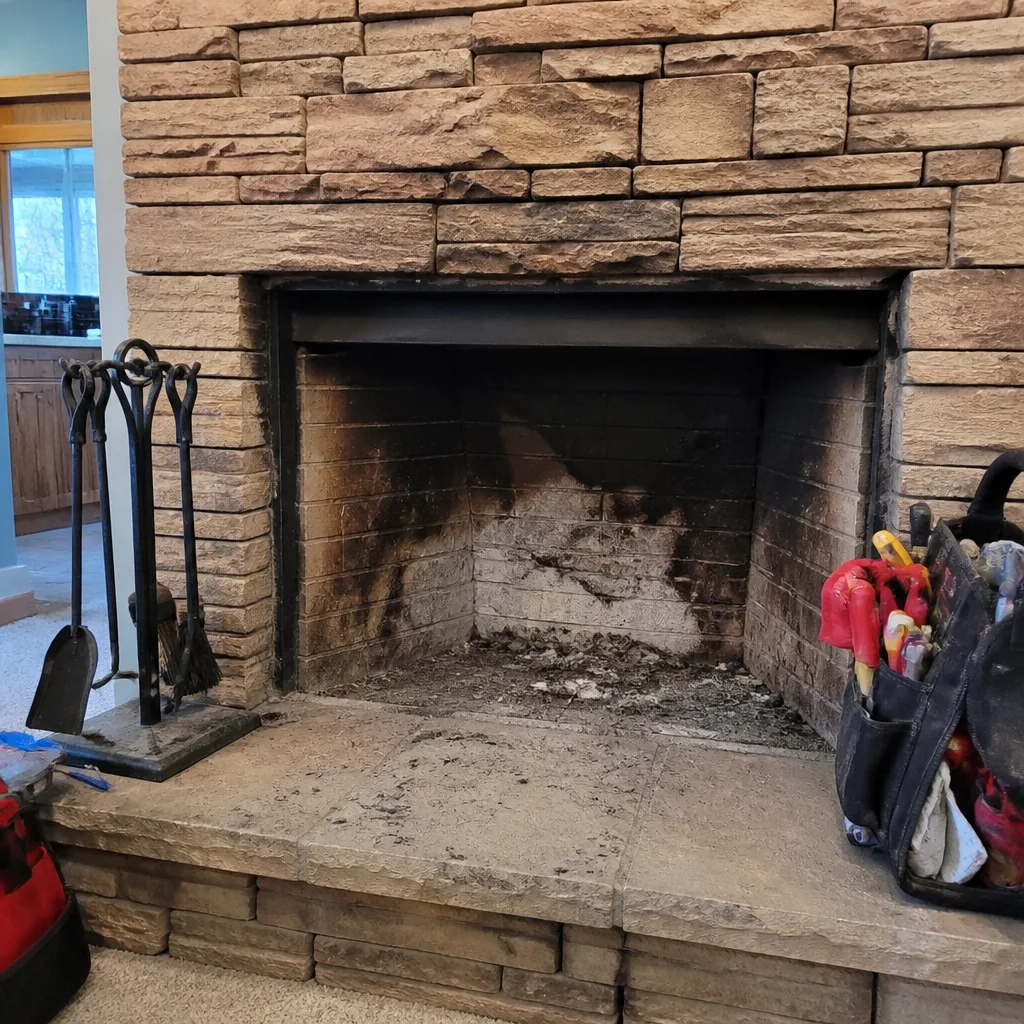 Before
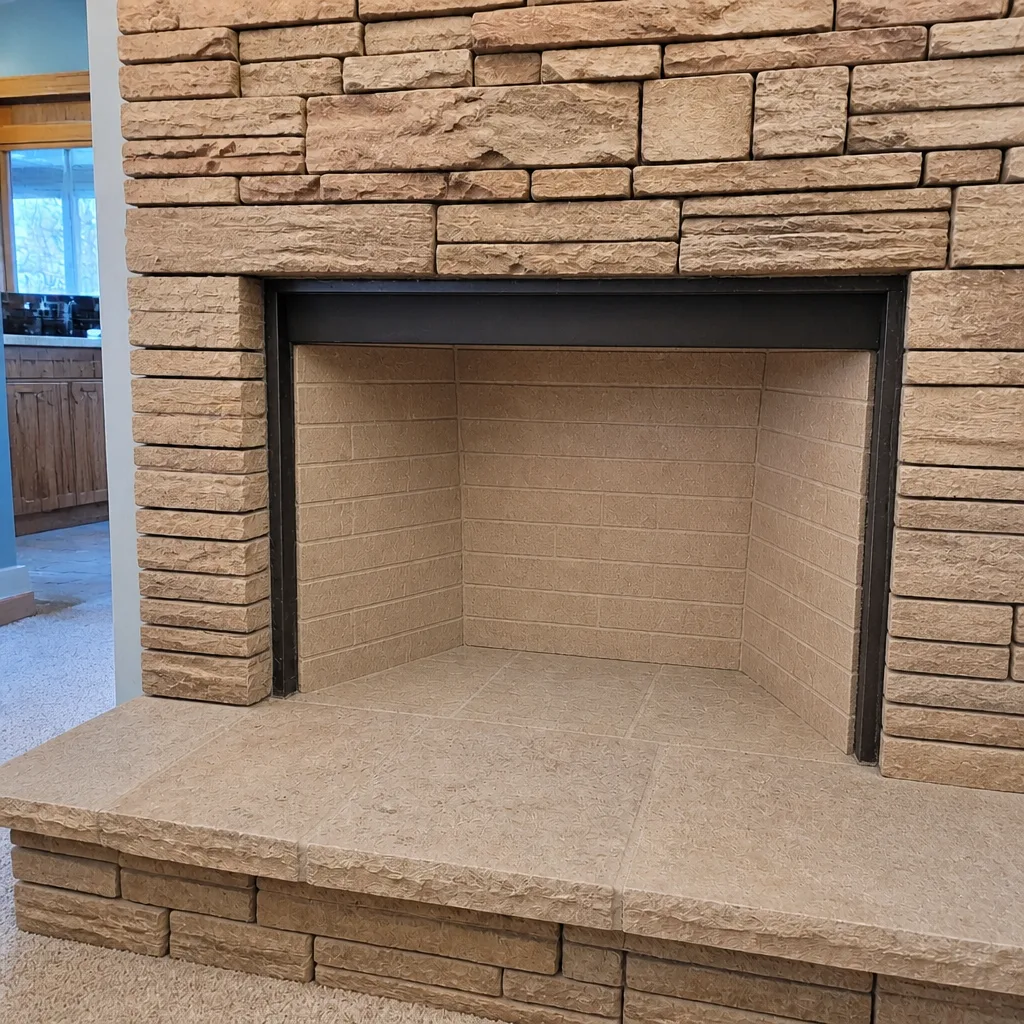 After
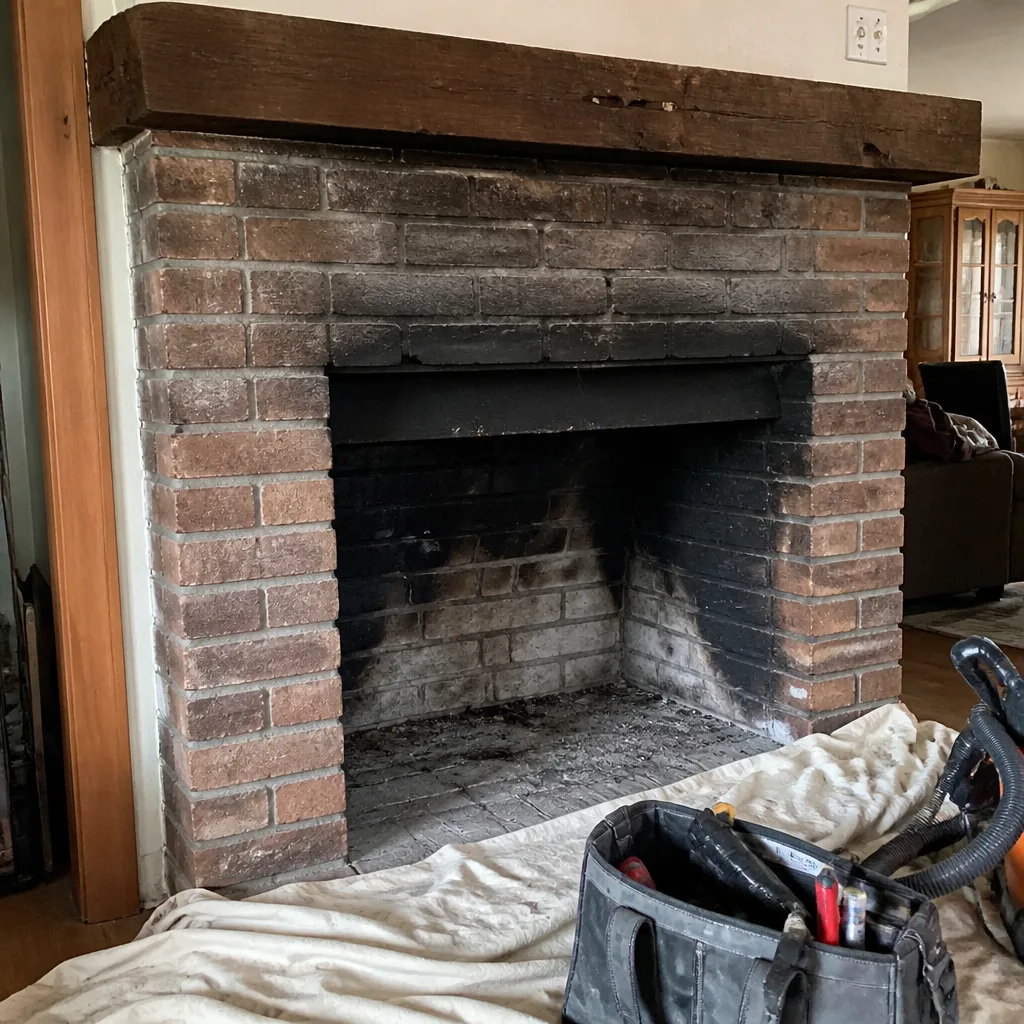 Before
 After
 Before
 After