
Last updated November 25, 2026
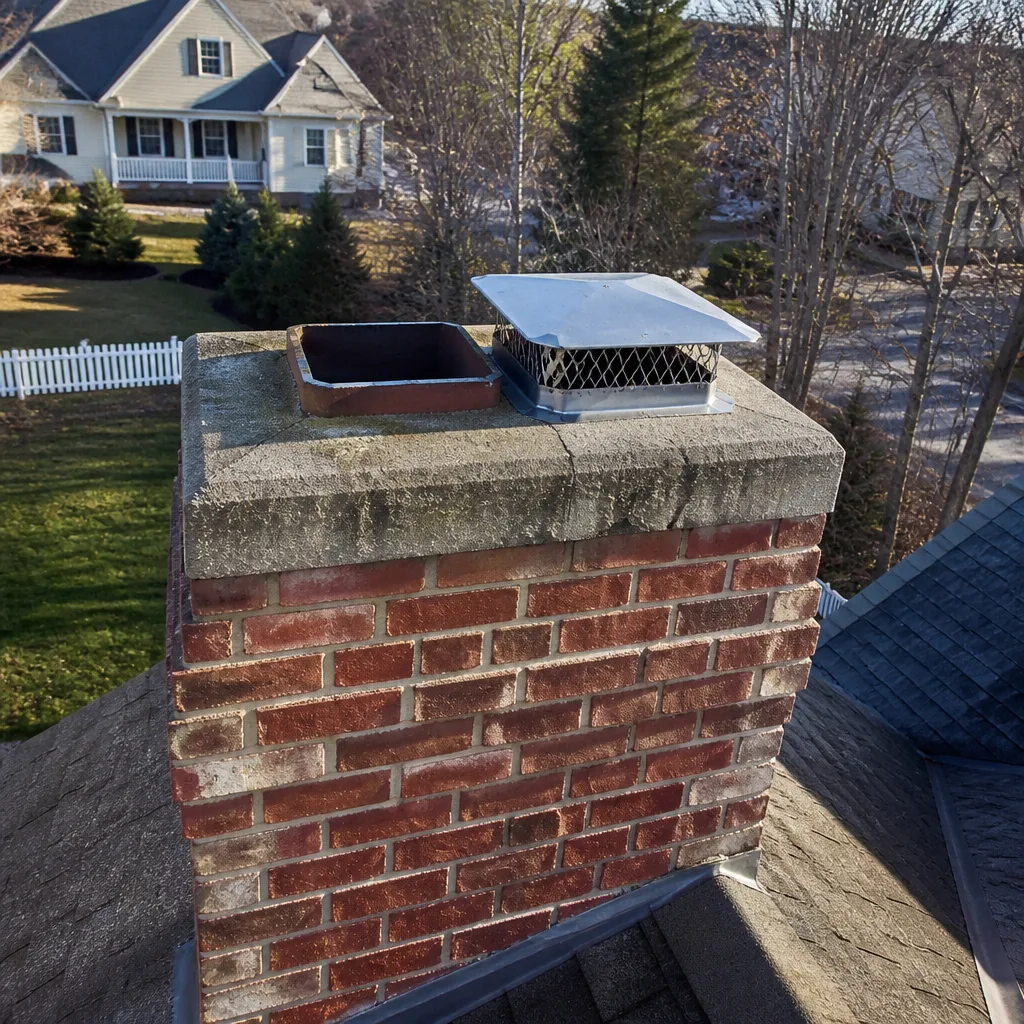 Sweep & inspection
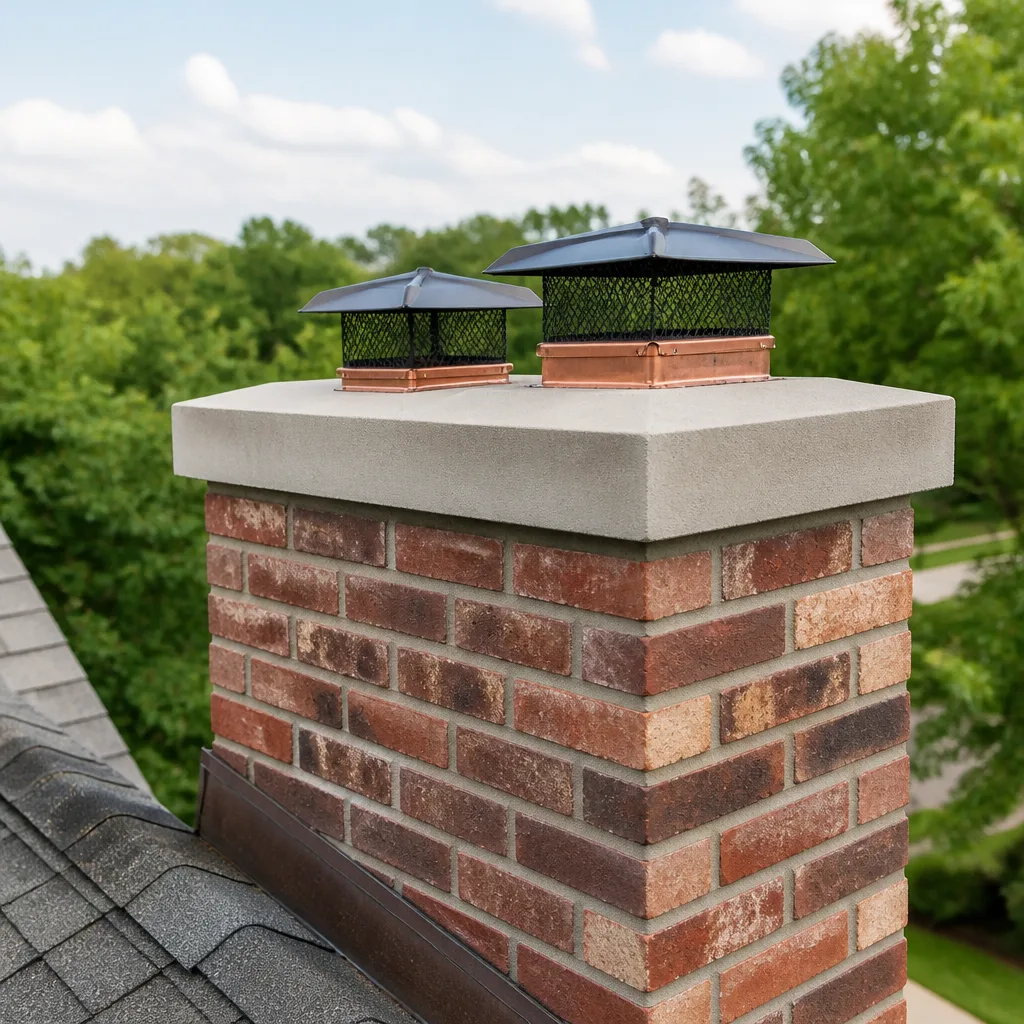 Caps & crowns
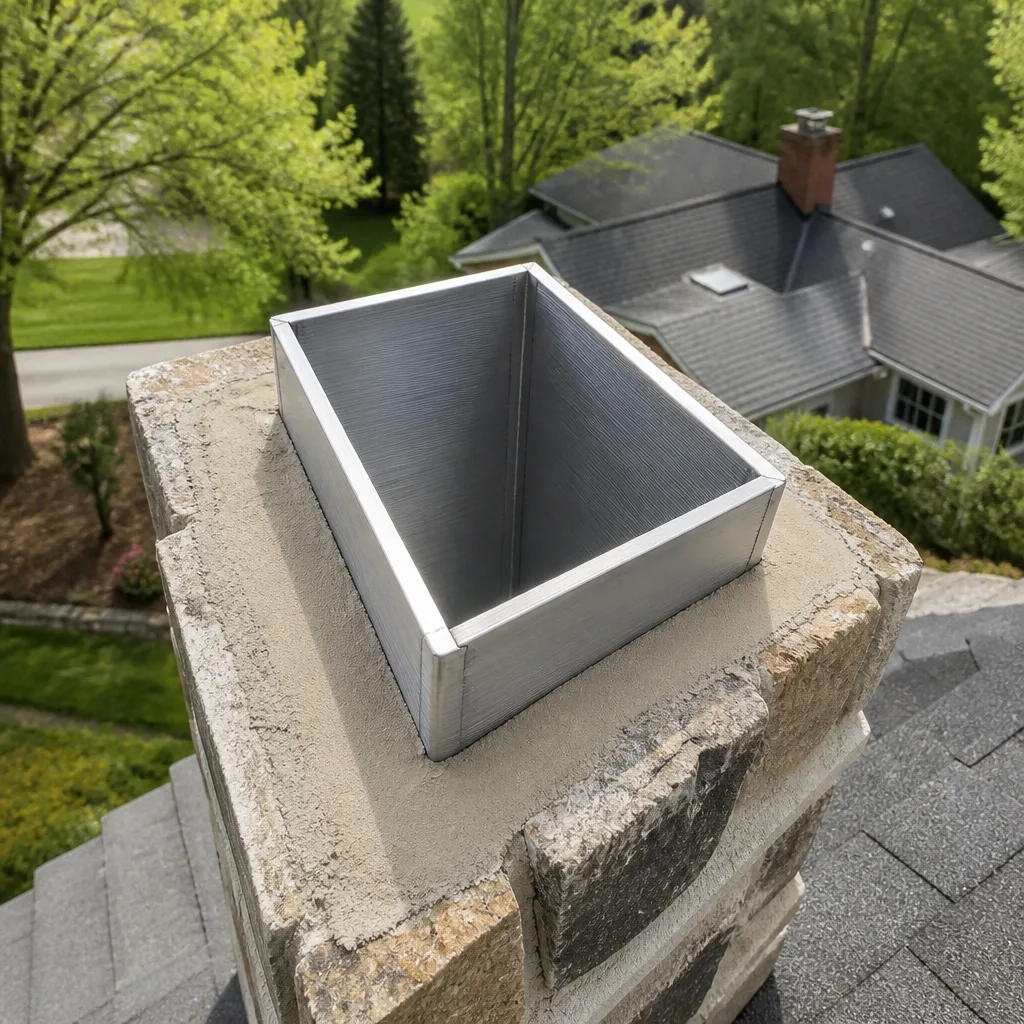 Flue relining
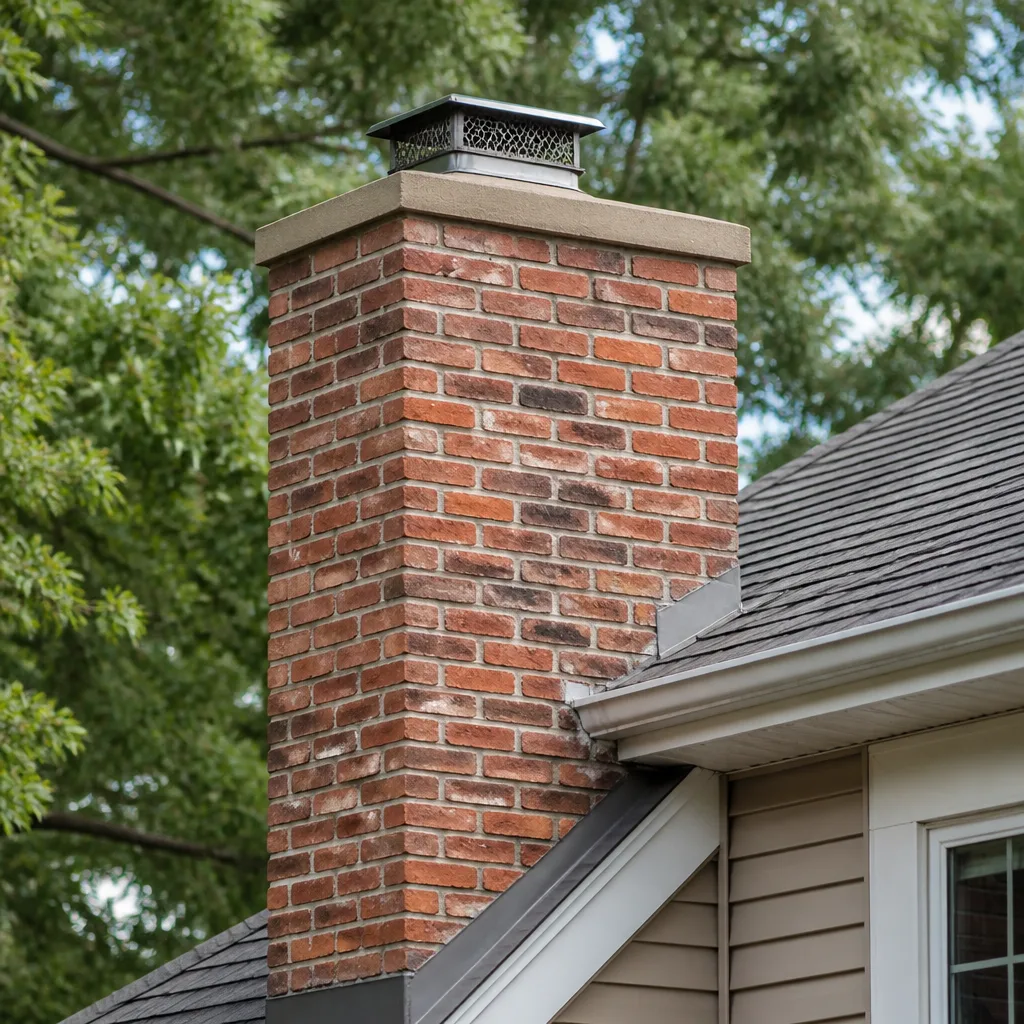 Masonry repair
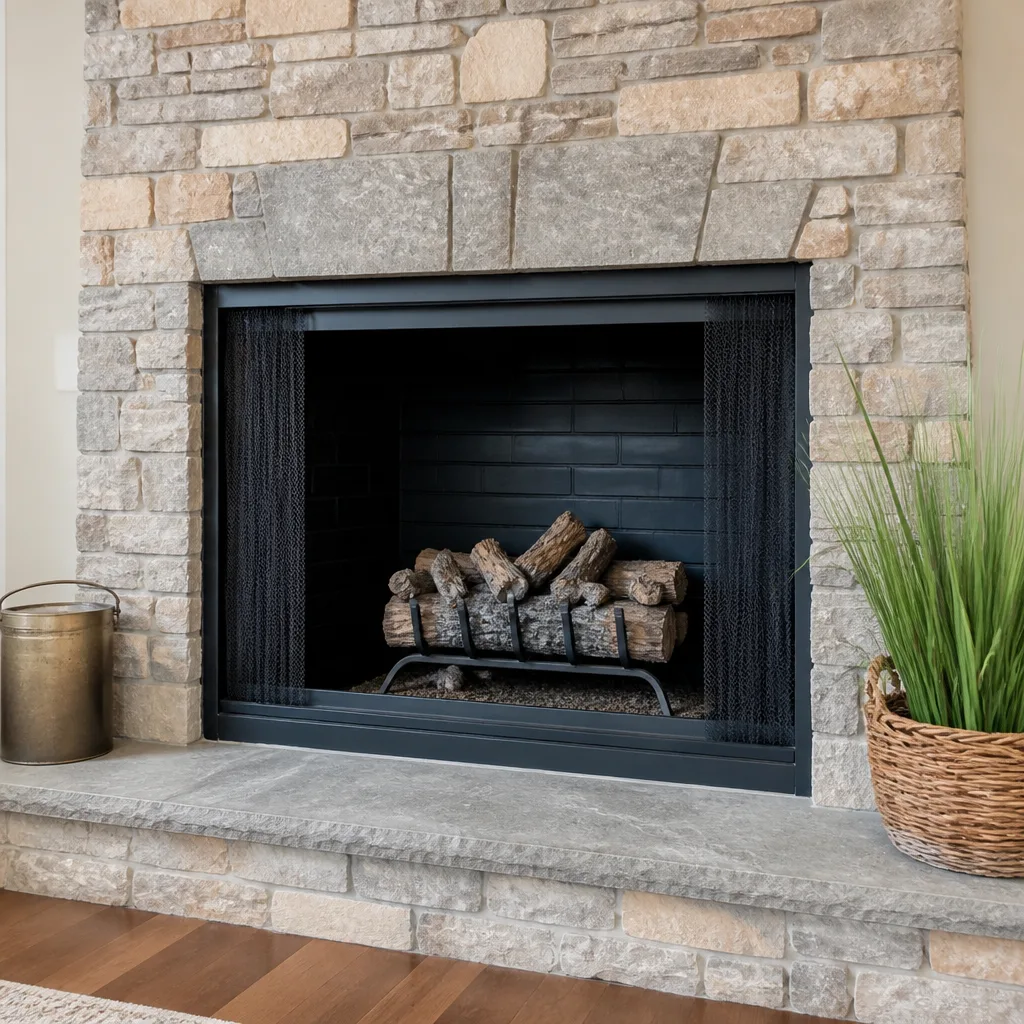 Gas fireplace service
Level 1 sweep and inspection to the NFPA 211 annual standard - flue, crown, cap, and flashing checked and photographed
Chimney sweep logs do not sweep chimneys. They loosen some creosote - which then falls where a brush and vacuum still have to collect it.
DIY vs Professional Chimney Cleaning: The South Hill Homeowner’s Decision Guide
A chimney brush cleans the flue tile. It doesn’t touch the smoke chamber shelf, the smoke chamber walls, or the creosote packed into the corbeled masonry just above the damper – which is exactly where stage-two and stage-three deposits concentrate. That’s the gap most homeowners never hear about until something goes wrong. Brushing is the part of chimney care that looks easy, and it’s the part that matters least on its own. What keeps a chimney safe is knowing what the brush didn’t reach. This guide lays out precisely what you can do yourself, what you can’t, and how to tell which kind of chimney you actually own before you decide. It’s written for South Hill homeowners who’d rather understand their system than guess at it.
Quick Answer
For a chimney that’s clean, in good repair, and burning well-seasoned wood, a homeowner can safely brush the flue as maintenance between professional visits. What DIY cannot do is clean the smoke chamber, remove glazed stage-three creosote, or assess the liner for hairline fractures and the damper for warping. Professional cleaning exists less for the brush work and more for the inspection that comes with it. In South Hill, the wet winters and long burn season make that inspection the part you don’t want to skip.
Styles & brands we work with
- Sweep & inspection
- Caps & crowns
- Flue relining
- Masonry repair
- Gas fireplace service
Table of Contents
- What a chimney brush actually removes – and what it leaves behind
- The equipment gap: consumer brush kits vs. rotary cleaning systems
- Creosote stages and why stage two needs chemical treatment first
- The diagnostic value you lose with DIY
- An honest decision framework: does your chimney qualify for DIY?
- Liability and insurance: what a DIY cleaning record does and doesn’t cover
- How South Hill weather and burn habits shape the decision
- Frequently asked questions
What a chimney brush actually removes – and what it leaves behind
A standard flue brush is a scraping tool. It knocks loose soot and light, fluffy creosote off the walls of the flue tile as it passes through. On a chimney that’s swept regularly and burned hot with dry wood, that’s enough to keep the flue clear between professional cleanings. The brush does its job on the vertical run of tile. Where it stops is at the top of the firebox, and that’s where the interesting part of a chimney lives.
The smoke chamber is the sloped funnel above the damper that guides smoke from the firebox into the flue. Its walls are corbeled masonry, stepping inward like an inverted staircase. Smoke slows down there, cools, and drops its load of creosote onto surfaces a round brush can’t reach. The shelf at the base of the smoke chamber and the ledges of each corbel hold deposits that build up season after season. A brush pass glides right past them.
Here’s what a homeowner with good equipment can realistically accomplish:
- Remove loose soot and light creosote from the accessible flue tile.
- Keep the flue open enough for normal draft between professional visits.
- Spot obvious blockages like bird nests or leaves near the top.
- Maintain a chimney that a professional has already inspected and cleared.
And here’s what a brush pass does not accomplish, no matter how careful you are:
- Cleaning the smoke chamber shelf and corbeled walls.
- Removing glazed, tar-like stage-three creosote, which is essentially fused to the tile.
- Assessing the liner for cracks, gaps at the joints, or erosion.
- Checking the damper for warping or a poor seal.
- Inspecting the crown, cap, and flashing for water intrusion paths.
That second list is where chimney fires and carbon monoxide problems originate. The chimney sweep a South Hill homeowner books isn’t valuable because of the brush – it’s valuable because a trained eye is looking at every one of those surfaces while the brush runs.
The equipment gap: consumer brush kits vs. rotary cleaning systems
The brush kit sold at a hardware store is a reasonable tool for light maintenance. It’s also a different class of equipment from what a professional sweep uses, and the difference explains most of the gap between a DIY pass and a real cleaning.
A consumer kit typically includes a polypropylene or wire brush head, a set of flexible fiberglass rods that screw together, and a hand drill adapter. You feed the rods up the flue from the firebox or down from the roof, spinning the brush by hand drill or by wrist. It works. It also tends to follow the path of least resistance, which means it cleans the open middle of the flue and skips the corners and the deposits that have bonded tight.
Professional equipment looks similar from a distance and behaves nothing like it. Rotary cleaning systems use a powered whip or chain head on a heavier rod that expands to the flue’s contour, so it presses against the walls instead of coasting through the center. On a heavily glazed flue, a technician may switch to a different head entirely. The tooling is chosen to match what the flue actually contains, which is the whole point.
There’s also the question of access. Most South Hill homes with a masonry chimney have a flue that isn’t a straight shot from the damper to the cap. Offsets, smoke shelves, and the transition into the smoke chamber all complicate the path. A homeowner working from below can’t always see what the rod is doing up top, and a homeowner working from the roof is standing on a surface that gets slick in South Hill’s wet months. The equipment gap and the access gap overlap more than people expect.
We work with professional-grade components from brands like Copperfield and DuraFlex when a flue needs more than cleaning, and the reason those products exist is that the surfaces inside a chimney are harsher than they look. The right tool for a job is set by what the job actually is.
Creosote stages and why stage two needs chemical treatment first
Creosote doesn’t arrive in one form. It builds through three recognizable stages, and each one behaves differently against a brush.
- Stage one is soot and light flaky deposits. A brush removes it easily. This is what a well-run, regularly swept chimney mostly contains.
- Stage two is a crunchy, brittle, or puffy deposit that has bonded to the flue wall. A brush knocks some of it loose but leaves a hard layer behind, and that layer keeps growing.
- Stage three is glazed, tar-like, and dense. It looks almost like a coating of hardened varnish. A standard brush will skate across the surface without removing it.
Stage two and stage three creosote is where the real fire risk lives, because those deposits are concentrated fuel sitting directly against the flue tile. When they ignite, the chimney roars. A flue that has held stage-three creosote for multiple seasons is also more likely to have already suffered heat damage to the tile, which is a repair conversation, not a cleaning one.
The reason stage two needs chemical treatment before mechanical removal is simple physics. A hard bonded layer won’t come off with a scraping tool without also damaging the tile beneath it. A chemical creosote remover softens the deposit first, so the mechanical pass can lift it cleanly. On a stage-three flue, a technician may need to apply the treatment, wait, and return – which is one reason a heavily glazed chimney isn’t a one-visit job.
This is the part of chimney care a homeowner has no reasonable way to self-diagnose. You can’t see the stage of your creosote from the firebox. A flashlight aimed up the flue shows you the underside of the damper and not much else. The stage gets identified during a professional inspection, and the treatment plan follows from what’s actually there. For South Hill homes that burn steadily from October through March, the accumulation happens faster than most people assume.
The diagnostic value you lose with DIY
The cleaning is the visible service. The inspection is what protects the house. When a Chimney Sweep South Hill technician sweeps a chimney, the brush is running while the eyes are working, and the things that get spotted along the way rarely announce themselves.
What a trained inspection catches that a brush pass doesn’t:
- Smoke chamber erosion. The mortar between the corbeled courses in the smoke chamber softens and washes out over time. Left alone, the chamber can lose its shape and start leaking smoke into the house.
- Hairline liner fractures. A crack you can barely see in the flue tile is a direct path for carbon monoxide into living space. It doesn’t announce itself with smoke smell or draft problems – it just exists.
- Damper warping. A damper that no longer seats properly wastes heat and lets cold air down the flue when the fireplace is idle. It’s easy to miss from inside the firebox.
- Crown and cap damage. A cracked crown or a missing cap lets water into the chimney structure. That water freezes, expands, and does its damage over a South Hill winter. Water intrusion is the most common cause of chimney deterioration we see.
- Flue tile gaps at the joints. The mortar joints between flue tiles are a common failure point, and they’re invisible from below.
Each of these has a repair path, and most of them are simpler and less expensive when they’re caught early. A crown crack found during a routine sweep can be sealed. The same crack found three winters later has often reached the chimney’s structural masonry. That’s the real cost of DIY – not the money saved on the sweep, but the small problems that quietly grow into big ones between inspections.
When a liner has eroded but isn’t fully failed, a HeatShield resurfacing can restore it without a full tear-out. That’s a cost-conscious option that only exists if someone looked at the liner before it was too late. HeatShield is one of the products we work with, and it’s the kind of solution that comes from an inspection, not a brush.
An honest decision framework: does your chimney qualify for DIY?
We’re not going to tell every homeowner that DIY brushing is a mistake. On the right chimney, it’s a reasonable maintenance habit. The key is being honest about whether yours is the right chimney. Here’s the framework we’d use ourselves.
Your chimney is a reasonable candidate for between-visit DIY brushing if all of the following are true:
- The chimney was professionally inspected within the last year and cleared with no defects noted.
- The liner is intact and the smoke chamber is in good repair.
- You burn only well-seasoned wood – split, stacked, and dried for at least a full year.
- You don’t notice smoke roll-out, weak draft, or a strong creosote smell between burns.
- Your flue is a straight shot from the damper to the cap, so a brush can actually reach the walls.
- You’re comfortable on a roof in wet weather, or you can brush from below without forcing the rod.
If any of these aren’t true, DIY brushing is a partial fix at best. A chimney with a known draft problem, a prior fire, visible damage, or water staining needs a professional inspection before anything else happens. A flue with bonded stage-two creosote needs chemical treatment, not a brush. A liner with a hairline crack needs repair, not maintenance.
The line between “maintenance” and “diagnosis” is where most homeowners get in trouble. Brushing is maintenance. Anything that requires looking at the inside of the system and deciding what’s wrong is diagnosis, and diagnosis is a professional job. If you can’t confidently check every item on the list above, the honest answer is to book the inspection. From there, you’ll know exactly what your chimney system can handle.
If you want to know what a professional cleaning actually covers, a chimney repair visit that starts with a sweep and inspection will tell you more in an hour than a season of DIY brushing ever will.
Liability and insurance: what a DIY cleaning record does and doesn’t cover
If a chimney fire happens after a homeowner has been brushing the flue themselves, the insurance question is uncomfortable and worth understanding before it comes up. Most homeowner policies cover chimney fires as a sudden event, but the claim process gets harder when there’s no professional inspection record to point to.
Insurers look for evidence of maintenance when a fire claim is filed. A professional inspection report is that evidence. It documents the condition of the liner, the smoke chamber, and the flue at a point in time. It’s also the document a real estate transaction relies on – buyers and their agents expect a professional inspection, and a seller who has one has a stronger position than one who doesn’t.
A homeowner who brushes their own flue has no comparable record. A homeowner who brushes their own flue and skips the professional inspection entirely may not know the liner was compromised until the claim adjuster does. That’s the liability gap: a DIY cleaning isn’t evidence of anything. It’s a chore that happened. There’s no signed report saying the system was sound.
Our inspections are documented and delivered, meeting the standard insurers and real estate transactions expect. That document is worth having on file regardless of whether you ever need to use it. It’s the difference between “we maintained it” and “here’s what it looked like when we had it checked.”
How South Hill weather and burn habits shape the decision
Where a chimney sits changes how it ages. South Hill sits in a wet, cool climate with a long heating season, and that combination has real consequences for chimney systems here. Rain is the biggest one. Water finds every crack in a crown, every gap at the cap, and every failed flashing seal, and once it’s inside the chimney structure it does its work slowly across the wet months.
The burn season in South Hill is long enough that creosote has time to accumulate well past the light stage-one deposits. Homes here that burn steadily from fall into spring – and especially those that burn green or unseasoned wood – build creosote faster than a homeowner in a milder climate would. That makes the professional inspection more valuable here, not less, because the deposits that hide in the smoke chamber are the ones the wet months make worse.
South Hill’s housing stock also matters. The neighborhood has a wide mix of homes, from mid-century builds with original masonry chimneys to newer construction with factory-built systems. A mid-century masonry chimney has more years of accumulated wear on its smoke chamber and liner. A newer factory-built chimney has its own maintenance needs, and its liner system may not be brushing-friendly in the same way. Either way, the inspection tells you which category yours is in.
The cap and crown are the two most common points of water intrusion we address. Cap and crown work done with manufacturer-grade materials isn’t cosmetic – it’s what keeps the rest of the chimney system dry through a South Hill winter. When a homeowner is deciding between DIY brushing and a professional visit, the question isn’t really “can I brush this?” It’s “can I brush this and protect it from the rain?” The first half is doable. The second half is a repair decision.
Common Mistakes to Avoid
- Brushing from the roof without checking the cap first. A South Hill roof in wet weather is slick, and many attic-access caps are designed to be removed from below. Climbing up to brush a flue that could be reached from the firebox is a needless risk.
- Assuming a clean-looking firebox means a clean flue. The firebox is what you see. The flue and smoke chamber are what matter, and both look fine right up until they don’t.
- Brushing over stage-two creosote and calling it clean. A brush will knock off the loose layer and leave a hard bonded film that keeps growing. If the deposit doesn’t come off with a normal pass, it needs a different treatment.
- Burning green wood to save on firewood costs. Unseasoned wood is the single biggest driver of fast creosote buildup. Dry, split, and stacked for a year is the standard that keeps the flue cleaner between visits.
- Skipping the inspection because the sweep “worked.” A brush pass confirms nothing. The inspection is the part that finds the hairline crack, the eroded smoke chamber shelf, or the cracked crown before winter.
- Doing DIY brushing on a chimney with a known draft problem. A poorly drafting chimney is telling you something is wrong with its geometry, its liner, or its cap. Brushing won’t fix any of those, and it can make a partial blockage worse.
- Ignoring water stains on the ceiling or chimney breast. A stain above the firebox is a flashing or crown problem, not a cleaning problem. It gets worse every rainstorm until it’s repaired.
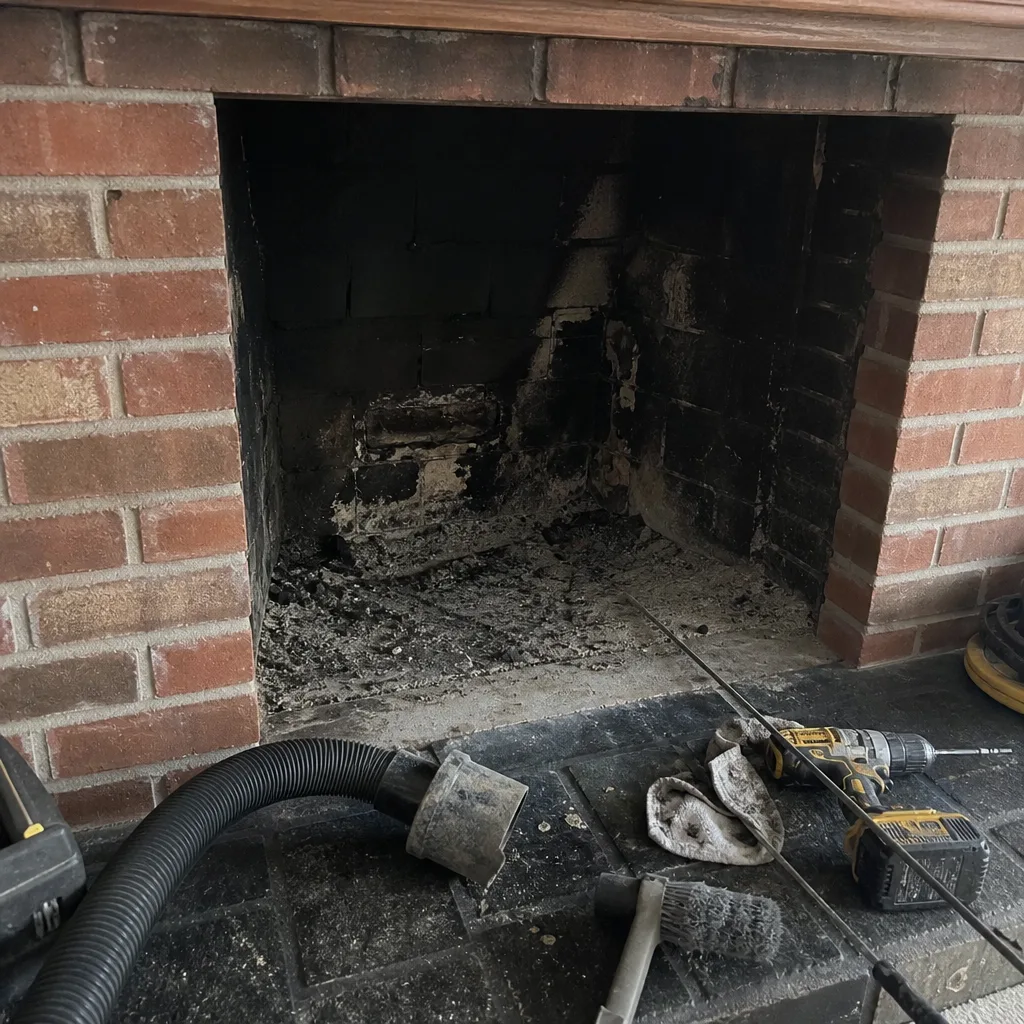
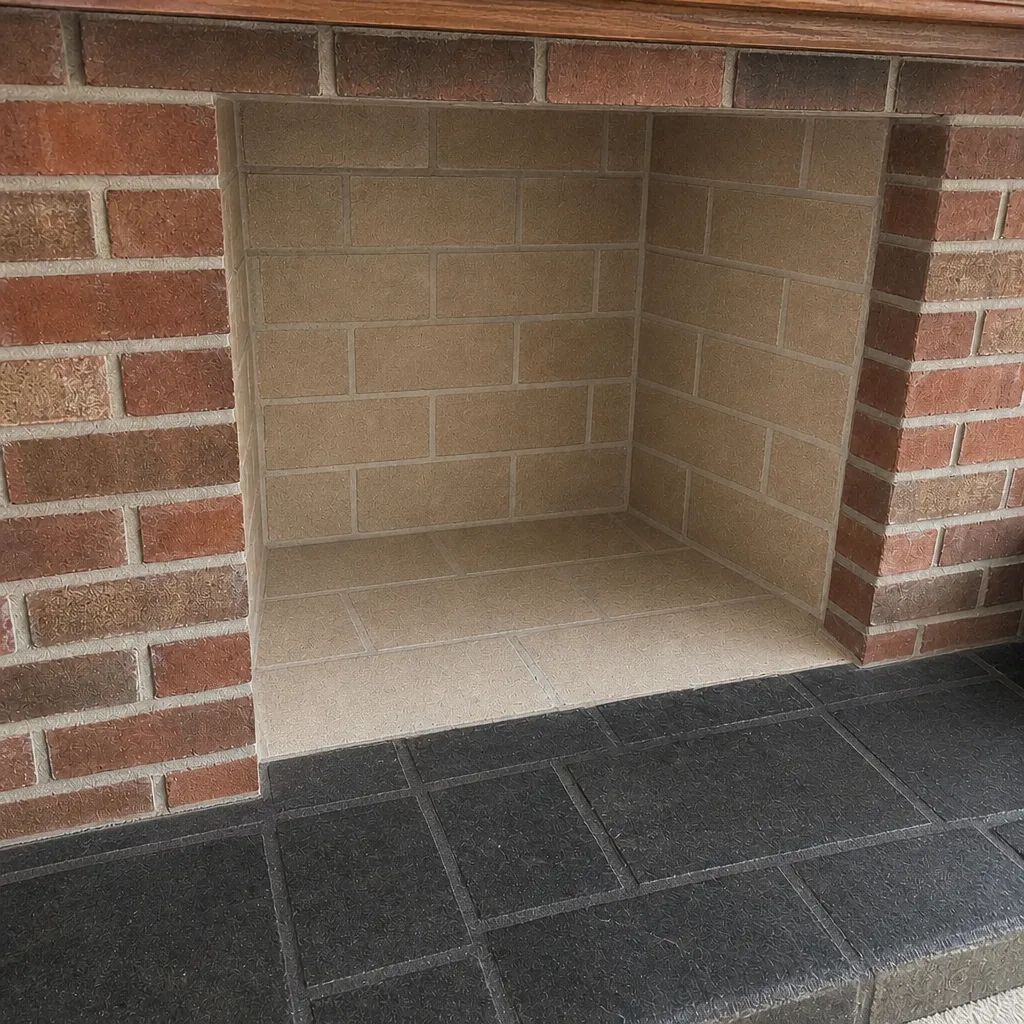
See the difference
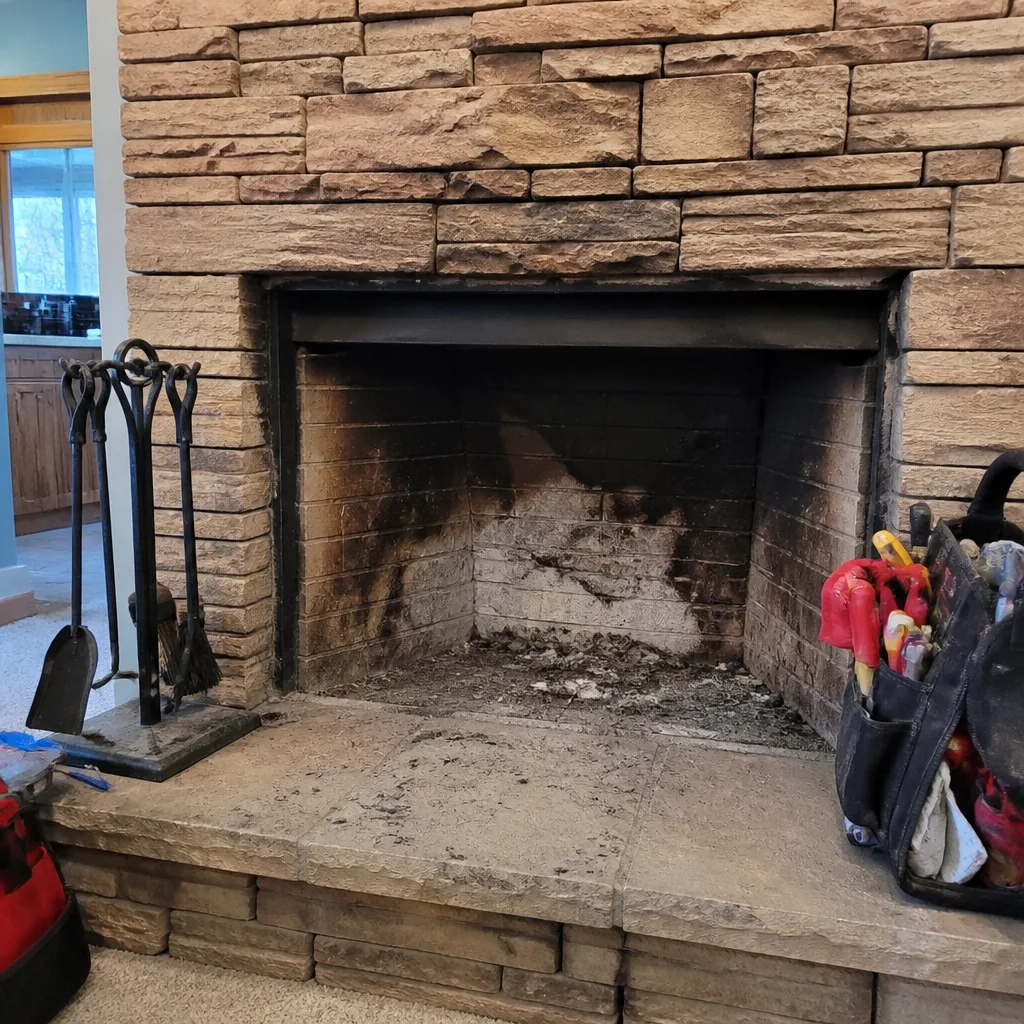 Before
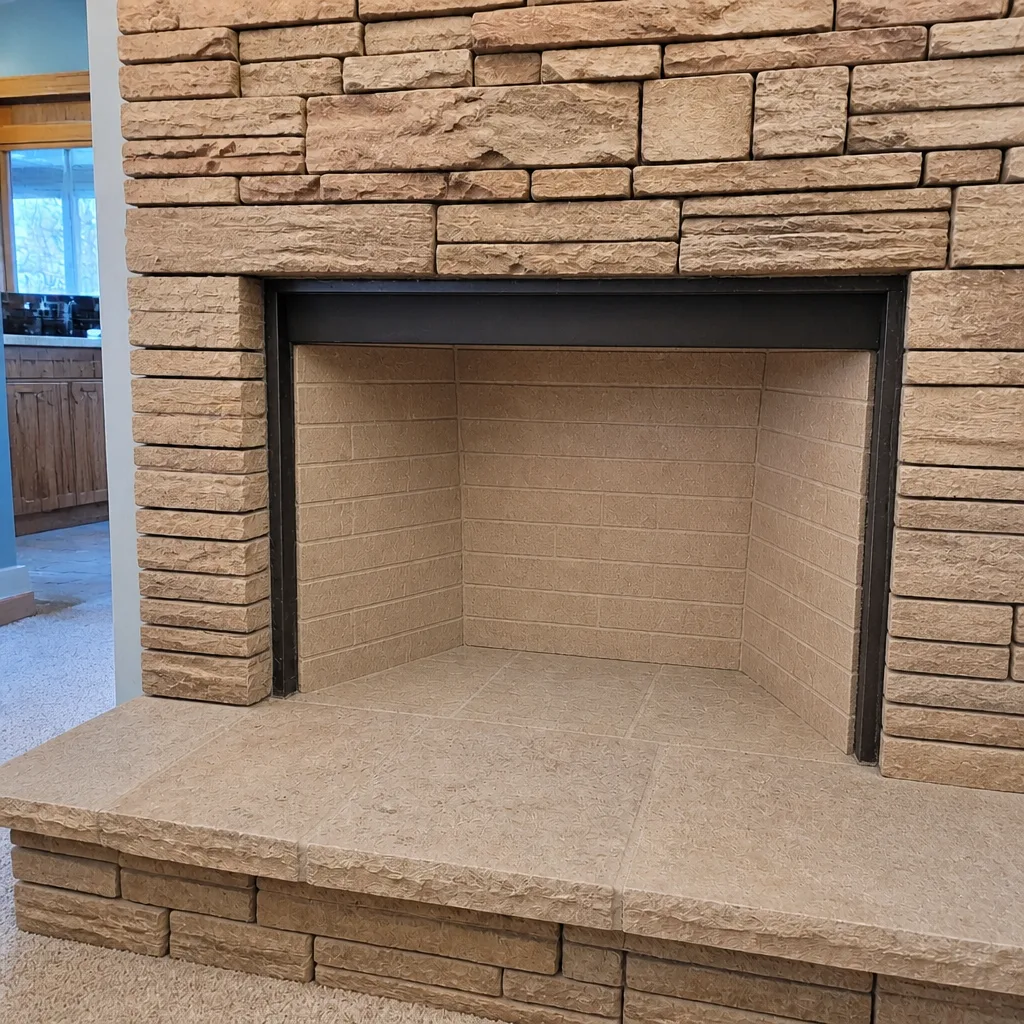 After
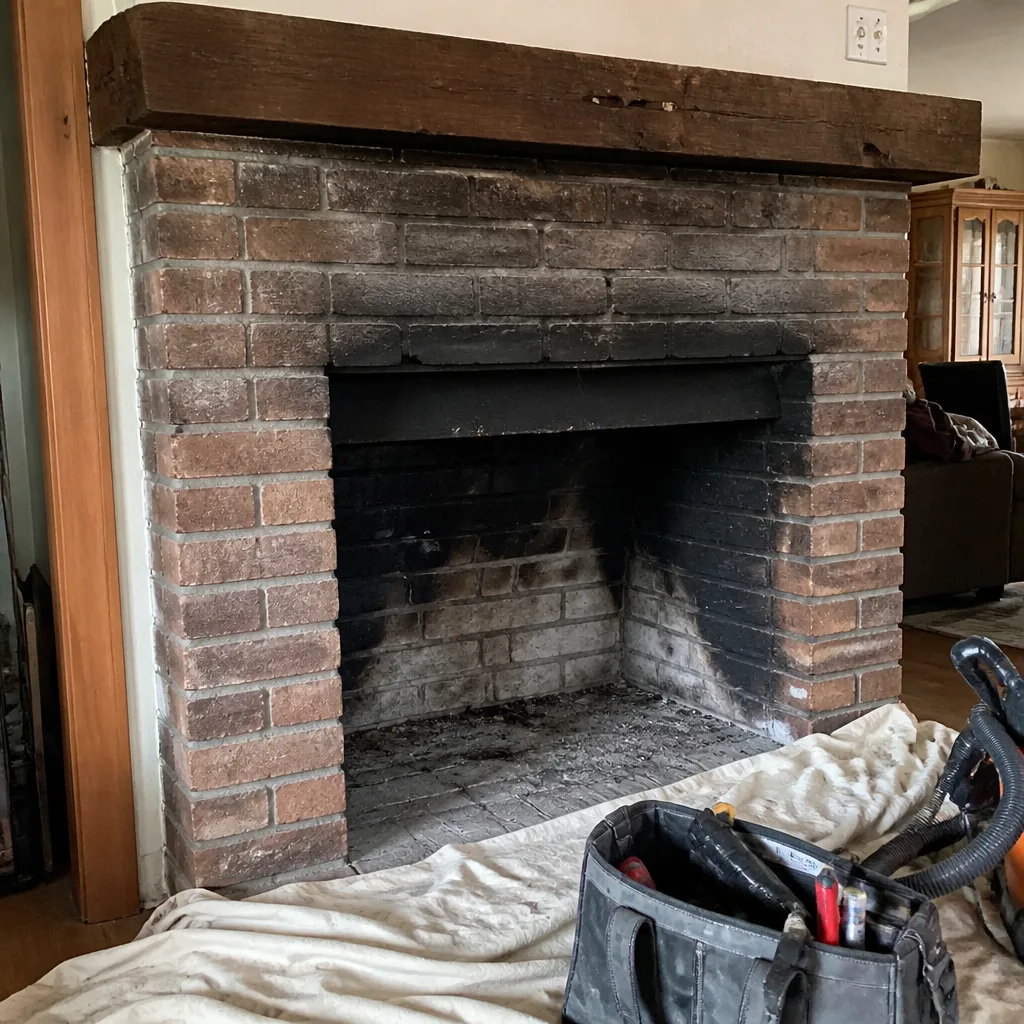 Before
 After
 Before
 After
When to Call a Professional
Book a professional visit if you’ve never had your chimney inspected, if it’s been more than a year since the last sweep, or if you’re noticing any of these signs: smoke rolling into the room instead of up the flue, a strong creosote smell between fires, water stains above the firebox, a cracked or missing cap, a damaged crown, or visible damage to the firebox or damper. Book it before the first cold snap, not after – the wet months are when small problems become structural ones. A fireplace repair visit that starts with a full sweep and inspection will tell you exactly what your chimney system needs and what can safely wait.
Chimney Sweep South Hill offers free estimates in South Hill – call (877) 792-6671. We answer 24/7. Fast dispatch from 7am to 7pm, Sunday through Friday.
Frequently Asked Questions
A routine sweep plus inspection in the South Hill area typically runs $180 to $340, with the final price set by the written estimate after we see the chimney. Chimneys with heavy creosote or difficult access may fall at the upper end. That price includes the inspection, not just the brush. Call (877) 792-6671 for an exact quote – estimates are free.
Yes, for light maintenance on a chimney that’s already been professionally inspected and cleared. A brush kit removes soot and flaky creosote from the flue tile. It doesn’t clean the smoke chamber, remove stage-two or stage-three creosote, or assess the liner and damper. If you haven’t had a professional inspection in the last year, start there.
Most wood-burning chimneys should be swept and inspected once a year, and more often if you burn heavily or burn unseasoned wood. A South Hill home that heats with wood through the wet months is right at the annual mark or past it. The inspection matters as much as the sweep, because it’s what catches problems before they become repairs.
Yes. Brushing doesn’t tell you anything about the condition of your liner, smoke chamber, or crown. Only an inspection catches hairline liner fractures, smoke chamber erosion, and water intrusion paths. Our inspections are documented and delivered, which is what insurers and real estate transactions expect to see on file. Call (877) 792-6671 to book one.
Creosote builds up in the smoke chamber and flue, and when it ignites it burns hot enough to damage the flue tile and spread to the chimney structure. A compromised liner also allows carbon monoxide to reach living space. Skipping sweeping doesn’t cause a problem overnight – it lets a small problem grow across several seasons. Booking an inspection catches it while it’s still small. Call (877) 792-6671 for a free estimate.
It can complicate the claim process. Insurers look for evidence of professional maintenance when a chimney fire claim is filed, and a documented inspection is that evidence. A DIY brush pass leaves no record of the system’s condition. An inspection report on file is the cleanest position to be in.
The Bottom Line
DIY brushing isn’t dangerous on a chimney that’s clean, intact, and burning dry wood. It’s a reasonable maintenance habit between professional visits, and we won’t tell you otherwise. The risk sits in the gap between what a brush reaches and what it doesn’t: the smoke chamber, the bonded creosote, the liner cracks, the crown cracks, the damper warping. Those are the things that turn a small problem into a chimney fire or a carbon monoxide call. A professional sweep in South Hill is really a cleaning plus an inspection, and the inspection is the part that protects your home. Know what you have before fire season, then decide how much of the rest you want to handle yourself. Call (877) 792-6671 for a free estimate. We answer 24/7. Fast dispatch from 7am to 7pm, Sunday through Friday.
Written by the team at Chimney Sweep South Hill.