
Last updated November 25, 2026
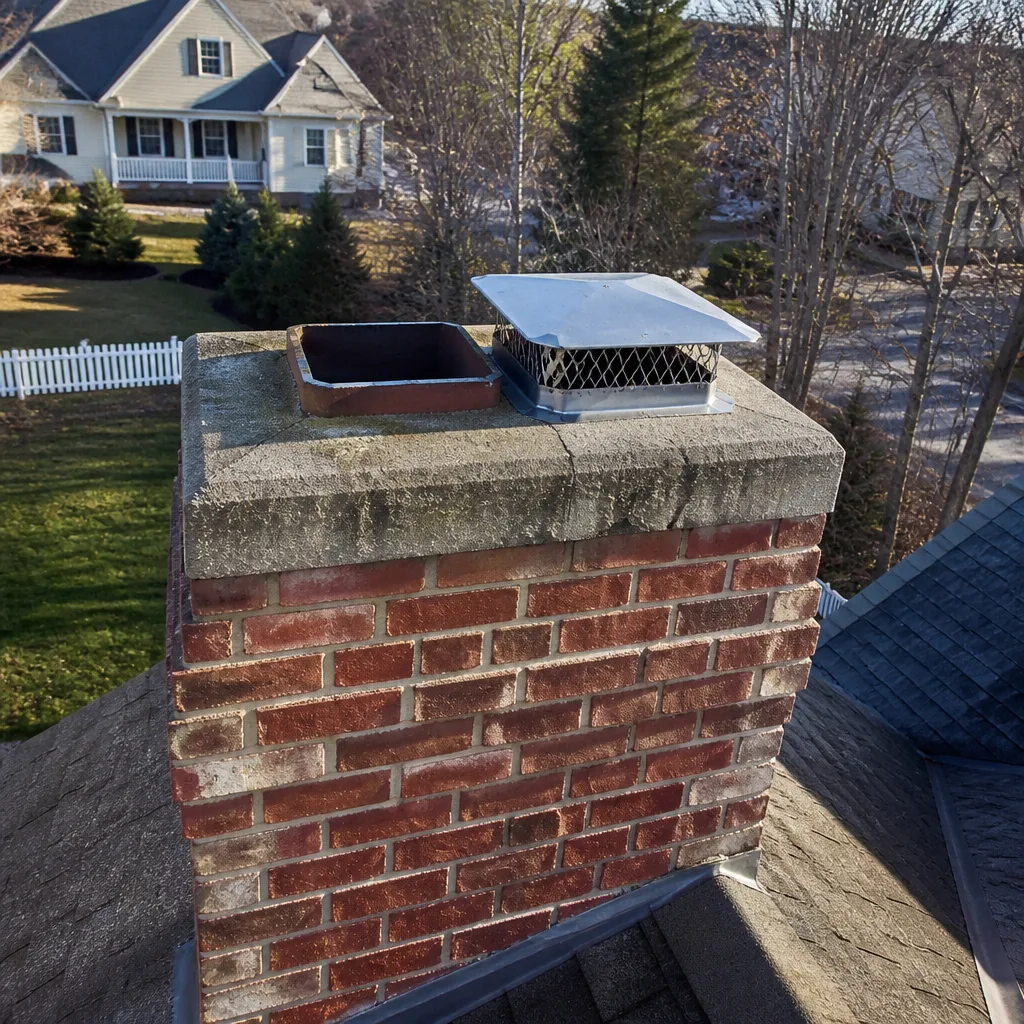 Sweep & inspection
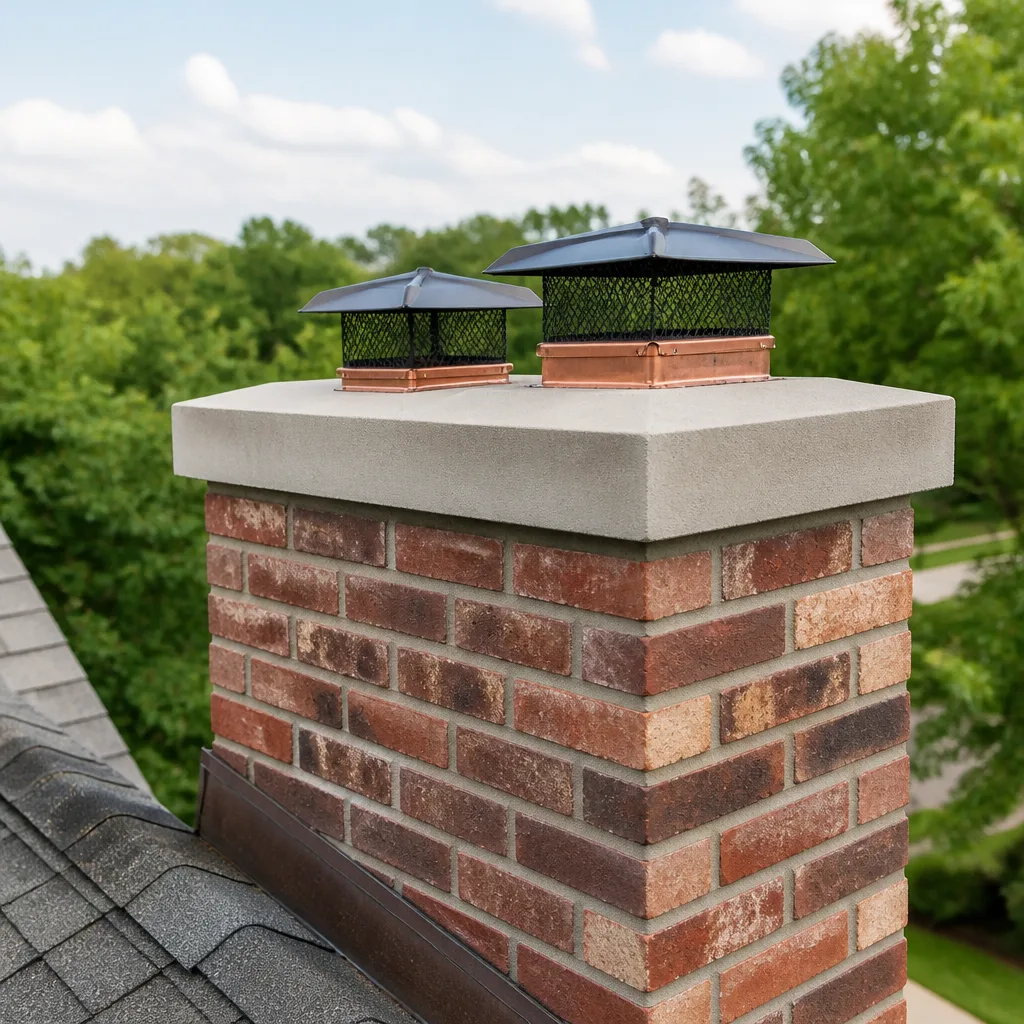 Caps & crowns
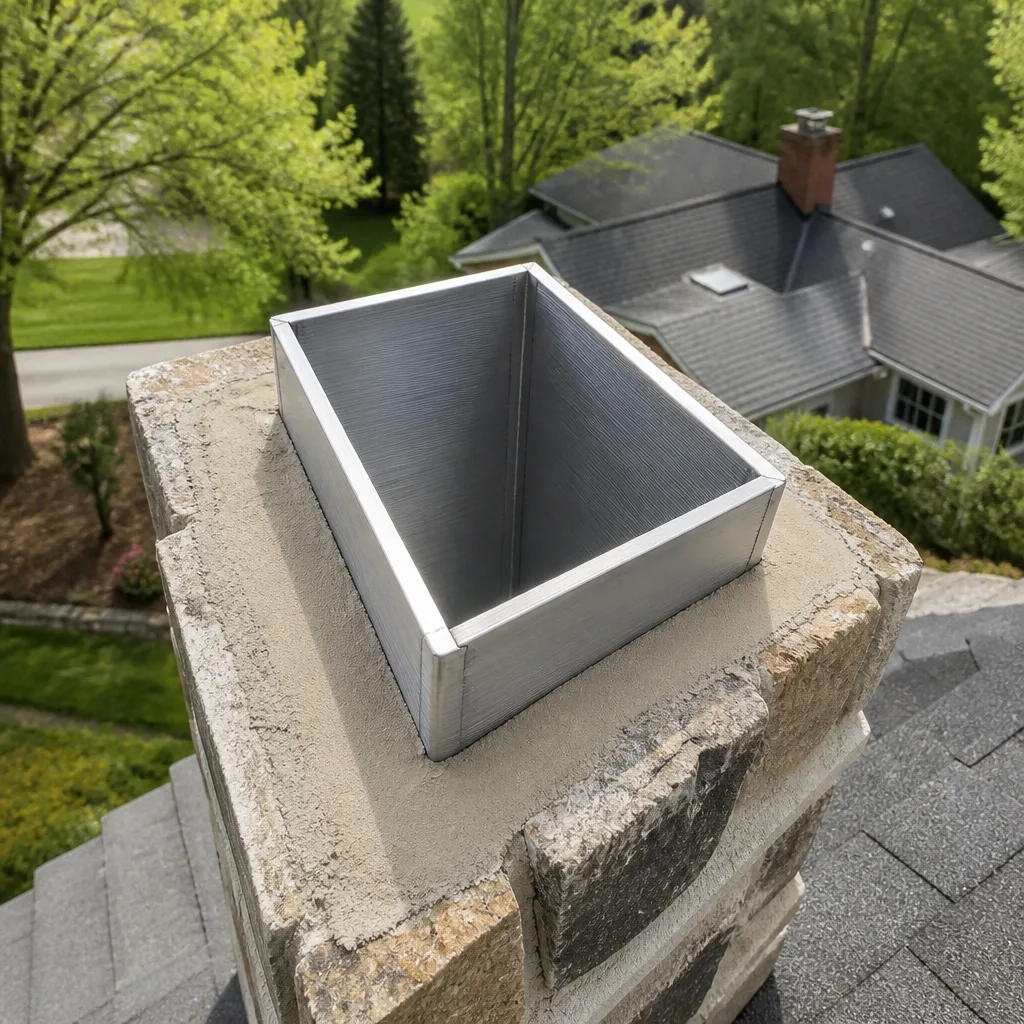 Flue relining
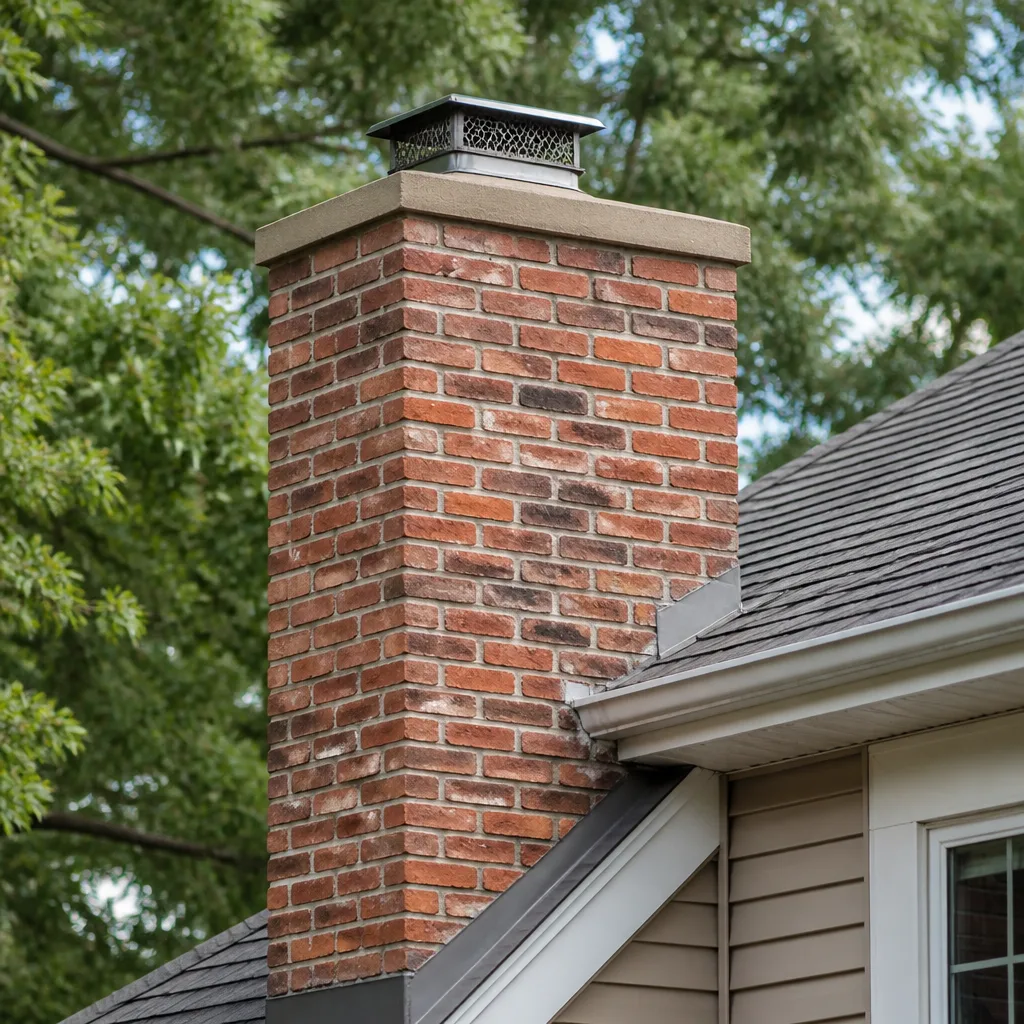 Masonry repair
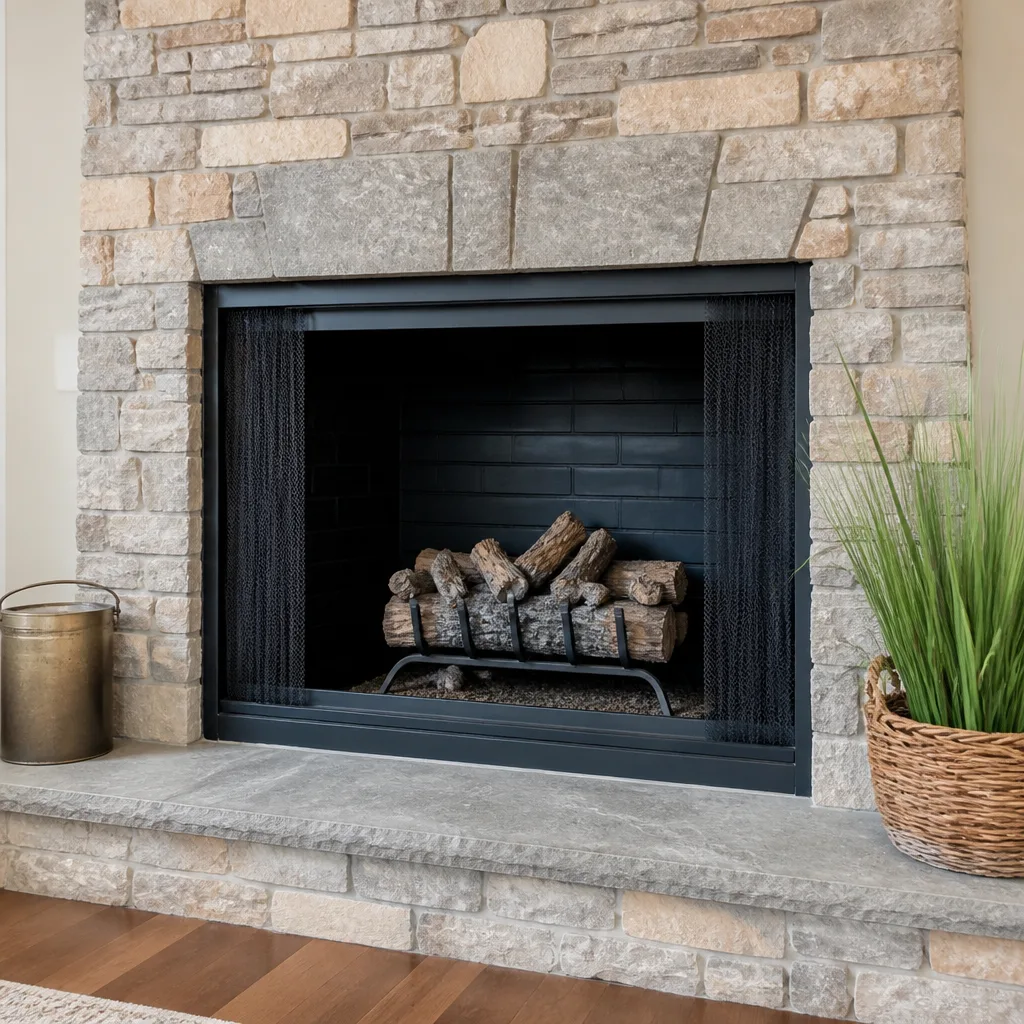 Gas fireplace service
Level 1 sweep and inspection to the NFPA 211 annual standard - flue, crown, cap, and flashing checked and photographed
Chimney sweep logs do not sweep chimneys. They loosen some creosote - which then falls where a brush and vacuum still have to collect it.
How to Hire a Chimney Cleaning Contractor in South Hill: A Step-by-Step Guide
Most homeowners in South Hill assume the hard part of hiring a chimney contractor is spotting a scam. The reality is different. The calls that go wrong in this trade usually involve someone perfectly honest who simply can’t finish what they find. They sweep the flue, discover a cracked crown or a failing liner, hand you a repair estimate drawn up by a third party, and disappear from the picture. You’re left managing a project you never wanted to manage. This guide walks through the questions and checkpoints that separate a sweep-only operator from a full-system specialist, so you know before you book whether the company on the other end can carry the job from cleaning through repair. South Hill homes deserve that level of certainty.
Quick Answer
To hire a chimney cleaning contractor in South Hill, ask three things before booking: what liner systems they install, whether they can perform a reline or repair during the same service window, and whether they carry their own manufacturer-grade materials. A company that sweeps but subcontracts every repair will always leave you with a gap. Look instead for a full-system specialist that handles sweep, inspection, fireplace repair, chimney repair, and cap and crown under one roof, and that gives you camera evidence and a written report before recommending any work.
Styles & brands we work with
- Sweep & inspection
- Caps & crowns
- Flue relining
- Masonry repair
- Gas fireplace service
Table of Contents
- Sweep-Only vs. Full-System Specialist: Why It Matters
- The Diagnostic Questions to Ask Before You Book
- What a Legitimate Inspection Report Actually Looks Like
- What CSIA, NFI, and State Licensing Do and Don’t Certify
- Red Flags During the Service Call
- Why South Hill’s Climate Puts Chimneys Under Real Stress
- Liner Materials and What the Manufacturer Brands Tell You
- Can Everything Be Done in One Visit?
Sweep-Only vs. Full-System Specialist: Why It Matters
A sweep-only company cleans flues and inspects chimneys. A full-system specialist does that and then resolves what it finds, using its own materials and its own trained hands. The difference only becomes obvious in the middle of your appointment.
Picture a routine sweep in South Hill. The technician finishes brushing, runs a camera, and shows you the footage. There’s a section of liner with visible corrosion, or a crown with a hairline crack letting water track into the masonry. In a sweep-only arrangement, that’s where the visit ends. You get a referral, a phone call to another company, another scheduled appointment, and another person’s opinion of the same chimney. Every layer added between the diagnosis and the repair raises the chance something gets lost in translation.
With a full-system specialist, the sweep technician and the repair technician are trained on the same equipment. That continuity matters because chimney systems are exactly that: systems. A cap that fits wrong lets water reach the crown. A crown that cracks lets water reach the liner. A liner with a compromised seam lets heat and gases past the structure. Treating any one of those in isolation is a partial job.
At Chimney Sweep South Hill, we structure the work so that a sweep and a repair conversation can happen on the same schedule. Here’s what that means in practice:
- Sweep: brushing and cleaning the flue, firebox, and smoke chamber
- Inspection: camera evaluation and a documented report, with photos
- Fireplace repair: damper, firebox, and masonry issues at the firebox level
- Chimney repair: crowns, flashing, masonry, and liner systems
- Cap and crown: installation and replacement of both
That list is the whole scope. A company that can say yes to all five categories is a full-system specialist. One that can only say yes to the first is a sweeper.
The Diagnostic Questions to Ask Before You Book
Ask these questions on the phone before you schedule anything. The answers take two minutes, and they tell you more than a rating or a slogan ever will.
- “What liner systems do you install?” A full-system specialist names specific products: DuraFlex, HeatShield, Olympia Chimney. A sweep-only company says “we work with a few guys” or “we’ll get back to you.”
- “Can you reline during the same visit that you sweep?” If the answer is always no, you’re dealing with a reference service. If it’s sometimes yes, ask what qualifies a chimney for same-visit relining. A good answer distinguishes between a routine liner swap and a restoration job.
- “Do you carry your own materials, or does someone else drop them off?” The right answer is that the company stocks and installs its own professional-grade components. DuraFlex, HeatShield, Gelco, Olympia Chimney, Famco, and Copperfield are the kinds of brands you want to hear.
- “Do you offer HeatShield resurfacing?” Not every failing liner needs a full tear-out. HeatShield restored liners can save real money when the existing structure is sound. A company without the capability will always recommend a full reline. A company with it can offer both.
- “Will I get a written report with photos?” Verbal findings are not a report. Ask explicitly for a documented inspection that meets insurance and real-estate transaction standards.
- “Do you inspect separately from sweeping, and can I book just the inspection?” A standalone inspection matters if you’re buying a home in South Hill, selling one, or simply want a baseline safety record before fire season.
- “What happens if you find a problem I don’t want fixed today?” The answer should be that you get a written estimate and can think about it. Nothing should be pushed under time pressure.
Notice that none of these questions ask about price. That comes later, after the written estimate, which is where a real quote belongs. If you can get through this list and feel confident about the answers, you’re ready to book a chimney sweep with confidence.
What a Legitimate Inspection Report Actually Looks Like
A legitimate inspection report includes photographic or video evidence of every finding, a written description of what the camera saw, and a clear recommendation for each item. It also tells you which findings are urgent and which can safely wait. A vage “needs work” handoff, without photos or specifics, is not a report. It’s an upsell.
Most homeowners in South Hill are reasonably skeptical about being told they need a costly liner replacement. The skepticism is healthy. The antidote is documentation you can review yourself. A proper report should show you:
- Camera footage or stills of the flue interior, the smoke chamber, the damper, the firebox, and the crown
- The location of any cracking, corrosion, or separation inside the liner system
- The condition of the crown and the top of the chimney, including how the cap is seated
- A note on the flashing, which is where water most often enters a chimney
- Clear wording on each item: what it is, why it matters, and how soon it needs attention
We write every inspection with the understanding that a homeowner might use it to negotiate a home sale in South Hill or to file an insurance claim. That expectation sharpens the report. The items we flag are visible, not implied. If a chimney doesn’t need attention this year, we say so.
When work is needed, the report becomes the backbone of the estimate. A crown replacement or a liner job recommended by a company that has documented its findings is a very different conversation from a phone call that says “you need a new liner, trust us.” And if you’d like to see what a full inspection involves, our Chimney Sweep South Hill page covers the basics of a documented evaluation.
What CSIA, NFI, and State Licensing Do and Don’t Certify
CSIA certification confirms that a technician passed the Chimney Safety Institute of America’s credentialing exam and continues to satisfy its continuing-education requirements. NFI certification confirms training through the National Fireplace Institute on specific appliances. State licensing confirms a business is legally registered to operate in Washington. None of these credentials guarantee the company installs its own liner systems or finishes what it finds.
This is the distinction most homeowners miss. A certificate is a minimum bar. It says someone has studied the trade and been tested on it. It does not say they carry HeatShield resurfacing compound, own the tooling to restore a liner, or keep DuraFlex in inventory. Those are capability questions, and they’re best answered by asking directly before the appointment.
What each credential does tell you:
- CSIA: The technician has been examined on cleaning, inspection, and safety standards, and is required to keep up with the field.
- NFI: The technician has specific training on a category of hearth appliance, such as wood stoves or inserts.
- State licensing: The contractor is registered with the state and can be held accountable through state channels if work goes wrong.
What they don’t tell you:
- Whether the company carries materials for liner or cap repairs
- Whether they can complete a reline without subcontracting
- Whether their inspection is standalone or an upsell engine
- Whether the same technician who diagnoses the problem will do the repair
The best hiring decision combines credentials with those four unaddressed points. In South Hill, the honest answer to “who should I hire” is: the company that can pass the credential check and the capability check.
Red Flags During the Service Call
Watch the visit itself, not just the phone call. Several red flags appear while the technician is on-site, and they tell you a lot about how the company operates. If you see more than one of these, treat it as a reason to slow down.
No camera, no findings
If a technician sweeps the flue and never uses a camera to look at the interior, you’re missing the single most important part of the inspection. A brush tells you the flue is cleaner. A camera tells you whether it’s sound.
Verbal findings only
If the technician describes a problem on-site but doesn’t put it in a written report with photos, ask for one before anything else happens. A written report is a normal, reasonable expectation, not an unusual ask.
Repairs approved before you’ve seen the evidence
Any pressure to approve repair work before you’ve looked at the footage or the photos is a red flag. There’s no repair in a chimney system that becomes impossible because you took an evening to think it over.
Estimates from third parties
If the estimate for a liner or crown repair comes from a company you’ve never spoken with, you’re dealing with a sweep-only operator. That’s not dishonest, but it’s a gap. You wanted the chimney cleaned; now you’re coordinating a project between two companies.
No mention of cap or crown
Cap and crown are the two highest-value items on any chimney maintenance list. They’re where water gets in and where most future damage starts. A technician who doesn’t mention either has left the most important part of the inspection on the table.
Repeated scare language
Chimney fires and carbon monoxide are real risks, and a technician should explain them accurately. If the language crosses into repeated urgency without evidence, that’s a sign the diagnosis is being framed to close a sale rather than to inform you. We’d rather show you the video and let you decide.
Why South Hill’s Climate Puts Chimneys Under Real Stress
South Hill sits in the Puyallup River valley area, and the weather here combines two conditions that are hard on masonry: a long rainy season and repeated freeze-thaw cycles in the cooler months. Water that gets into a crown or a hairline crack in the masonry expands when it freezes, which widens the crack. Next season, more water gets in. This is why cap and crown work matters more here than most homeowners realize.
The wet season also drives more wood-burning than you’d expect in the Northwest. Homeowners in South Hill light fires through fall and winter to take the chill off, and wood stoves and inserts run through longer stretches than in a milder climate. That means more creosote accumulation per season, and a sweep schedule that shouldn’t slip. If you have a fireplace or a wood insert, the annual sweep and inspection is a sensible baseline. If you also burn through the shoulder seasons, it’s a firm one.
What this means for hiring:
- Ask whether the company inspects the crown and cap on every visit. In South Hill, that’s the part of the job most likely to catch water intrusion before it reaches the liner.
- Ask whether they can install and replace a cap during the same visit that they sweep. A cap fitted by the same company that identified the issue will be the right size and material for your flue.
- Ask how they handle freeze-thaw implications in a report. A good inspector will flag a crack because of what winter will do to it, not just because it exists.
These are local realities, not sales lines. They come up on real Service visits throughout South Hill neighborhoods, and they determine whether a maintenance visit is proactive or just cosmetic.
Liner Materials and What the Manufacturer Brands Tell You
The brands a chimney contractor installs tell you a lot about the kind of company you’re dealing with. A sweep-only operator doesn’t need to know manufacturer names. A full-system specialist does, because the material decisions drive the repair outcome.
Here’s what to listen for when you ask about liner systems:
- DuraFlex: a name that shows up frequently in flexible stainless liner systems, and one that signals the company works with professional-grade components rather than field-improvised materials.
- HeatShield: the brand associated with liner resurfacing. A company that knows HeatShield can offer restoration as an alternative to full tear-out when the existing liner structure qualifies.
- Famco: a recognized name in chimney caps and related components. When a company installs Famco caps, you’re getting a cap engineered for the flue, not a generic vent cover.
- Olympia Chimney and Copperfield: additional professional-grade names in liner and component systems that round out the roster of what a full-system installer should know.
You don’t need to memorize the list. You need to hear real names when you ask. “We work with a supplier” is a different answer from “we install DuraFlex and HeatShield, and we can quote a resurfacing option if your liner qualifies.”
The HeatShield point deserves attention. A HeatShield resurfacing can save a homeowner from a full liner replacement when the existing structure is sound. Not every chimney qualifies, and a company that doesn’t work with HeatShield will always recommend a tear-out. That’s not dishonesty. It’s a limited toolbox. If you’re comparing estimates in South Hill, ask each company whether resurfacing is an option for your specific chimney before you accept a full replacement quote.
For more on what real structural repairs involve, our chimney repair page goes deeper into liners, crowns, and masonry work.
Can Everything Be Done in One Visit?
In many cases, yes. A sweep followed by a repair is often possible in a single service window when the repair is straightforward: a cap, a crown patch, a damper issue, or a liner resurfacing. Larger jobs, like a full liner installation or significant masonry work, usually need their own scheduled time. The realistic question to ask is not “can you do everything in one visit” but “what can you complete in one visit, and what needs its own appointment.”
A full-system specialist can answer that clearly. In our experience, the conversation goes like this:
- Sweep and inspect during the first visit, with camera footage and a written report.
- Confirm the scope of any needed repairs against the report, with a written estimate.
- Complete small repairs during the same visit when time and materials allow, such as a cap or a crown repair.
- Schedule larger work (full liner install, masonry rebuild) for its own appointment, with materials from the company’s own inventory.
That structure is what full-system service looks like. The homeowner stays with one company from diagnosis to completion. No handoff, no second opinion battle, no dropped thread between two contractors who never speak.
A sweep that turns up a burned damper or a cracked firebox can often be handled right away because the same company handles fireplace repair as part of its normal scope. If you’re a home buyer in South Hill and just need the inspection, that’s a standalone service, not an upsell. You can book the inspection on its own, get the report, and decide later.
Common Mistakes to Avoid
- Hiring on price alone. The cheapest sweep in South Hill isn’t necessarily the best valued one. If the same company can’t repair what it finds, the low sweep price is only the first of several costs.
- Not asking about liner systems before booking. The question that separates full-system specialists from sweepers is “what liner systems do you install.” Ask it on the phone. If the answer is vague, move on.
- Accepting a full liner quote without a resurfacing option. HeatShield resurfacing can substantially reduce cost when a chimney qualifies. If resurfacing was never offered, ask why.
- Skipping the standalone inspection. Home buyers and sellers in South Hill often just need a documented report. Book the inspection on its own if you want a baseline before move-in or before listing.
- Ignoring the crown and cap. These are the most common water entry points on a chimney. A service that doesn’t inspect them isn’t a full inspection.
- Approving repairs without photos. If the technician can’t show you what they see, wait. Ask for the documentation and review it.
- Booking a sweep right before fire season and calling it done. In South Hill, wet winters age crowns and caps faster than most homeowners expect. The annual sweep is the check-in; it isn’t the only thing on the list.
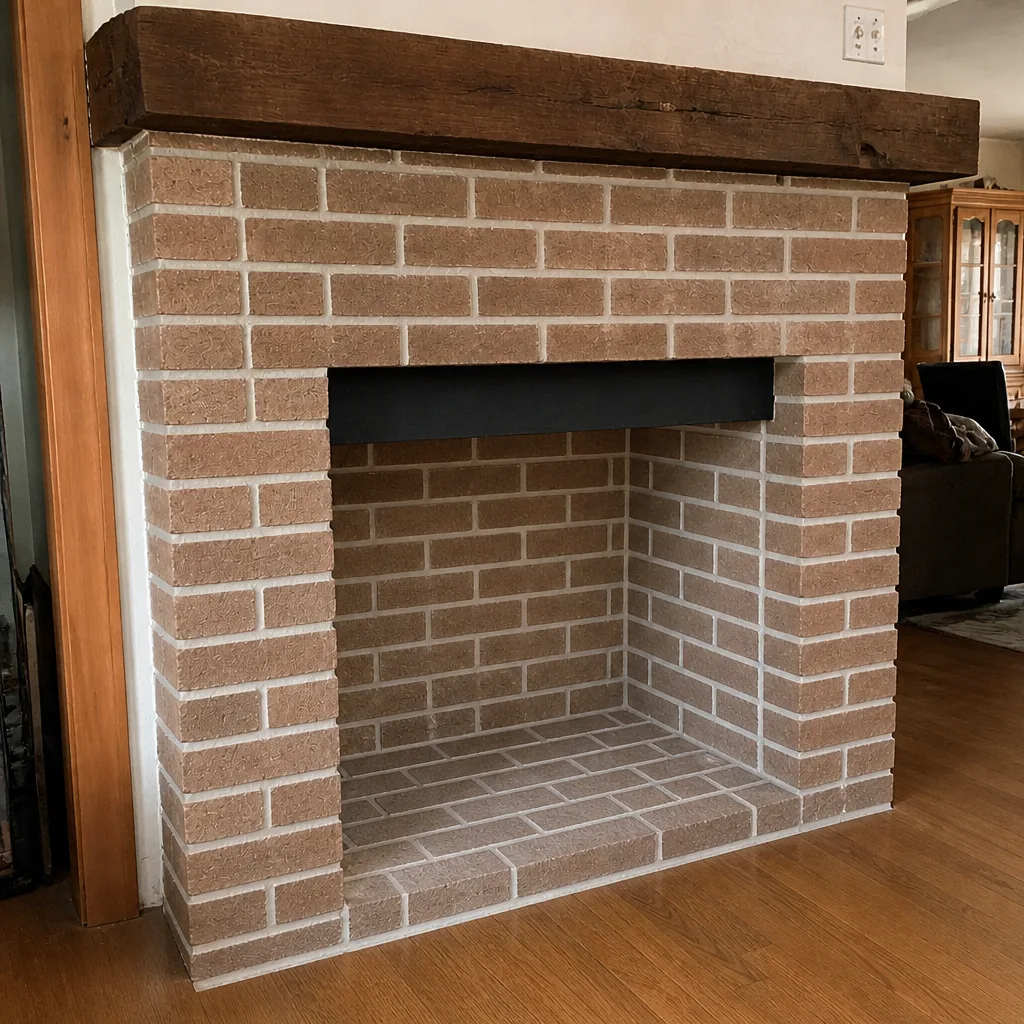
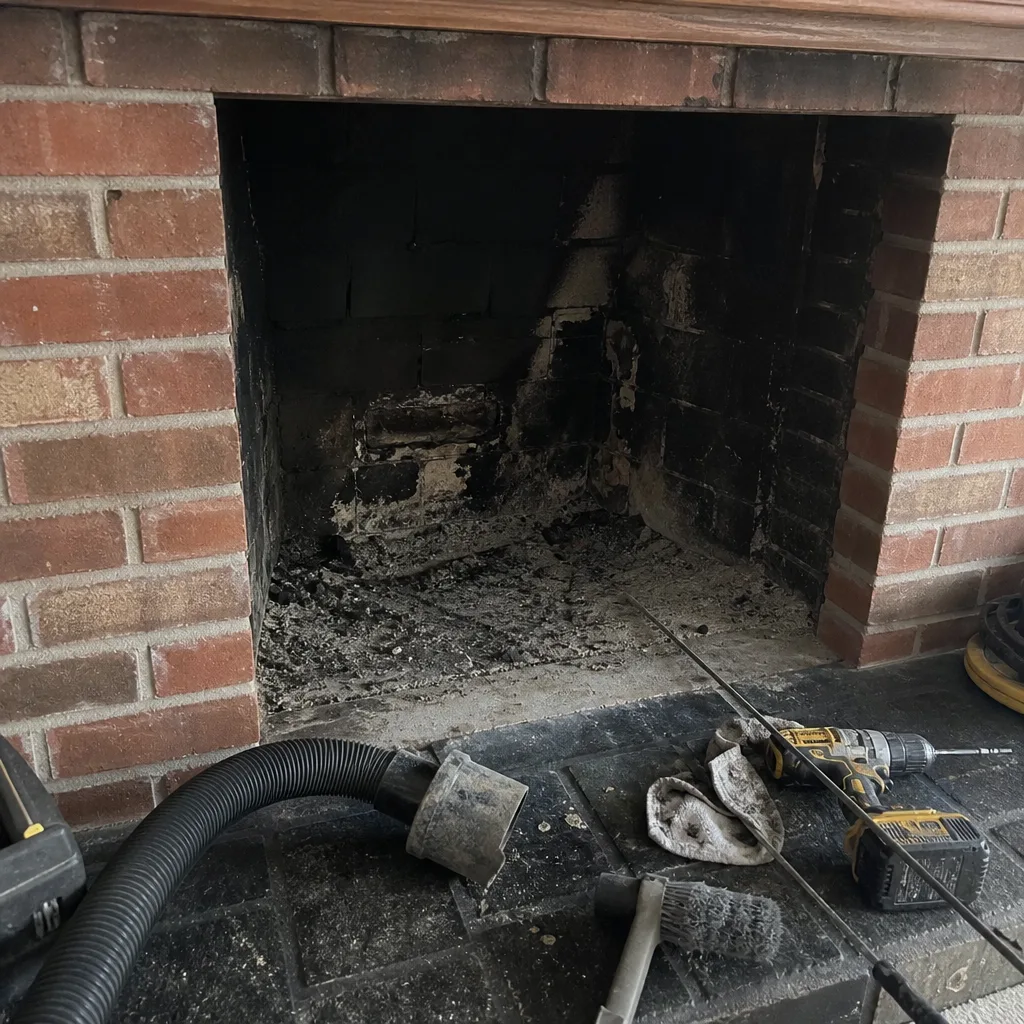
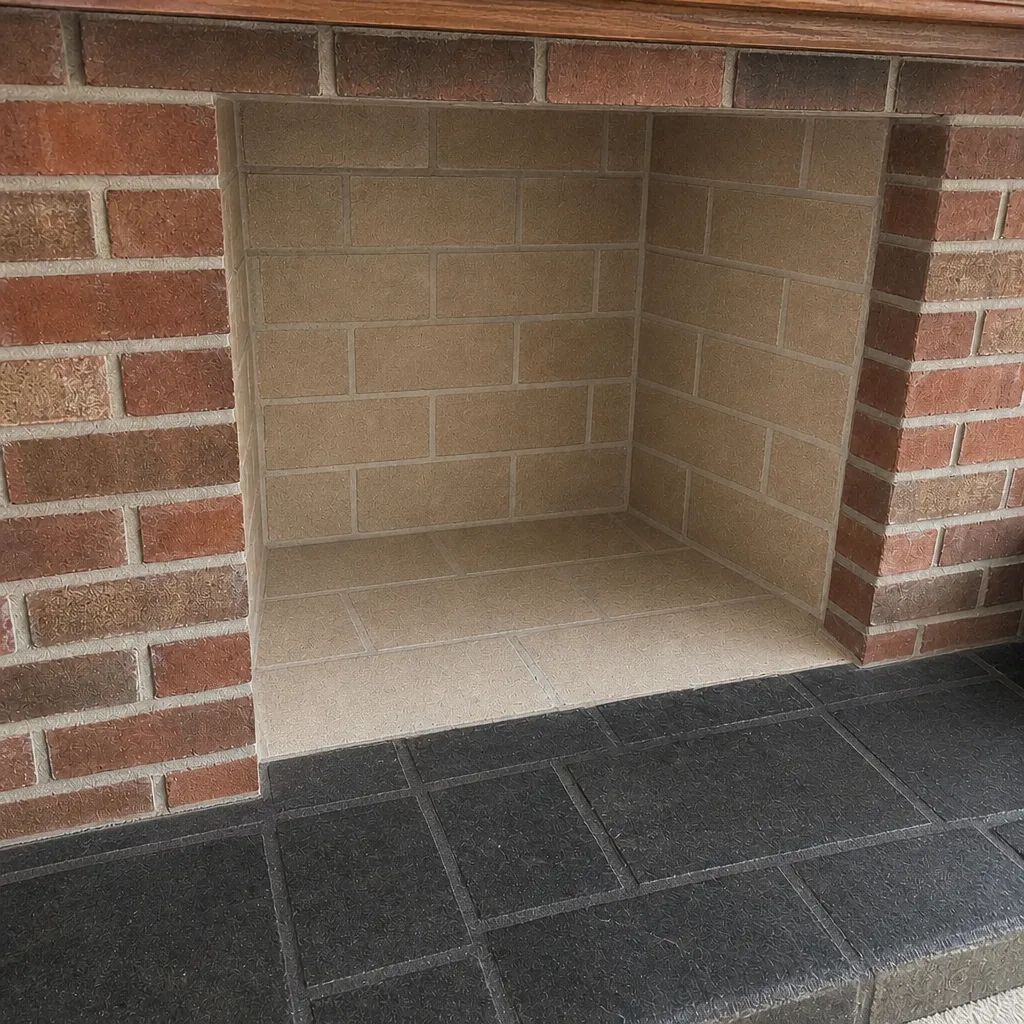
See the difference
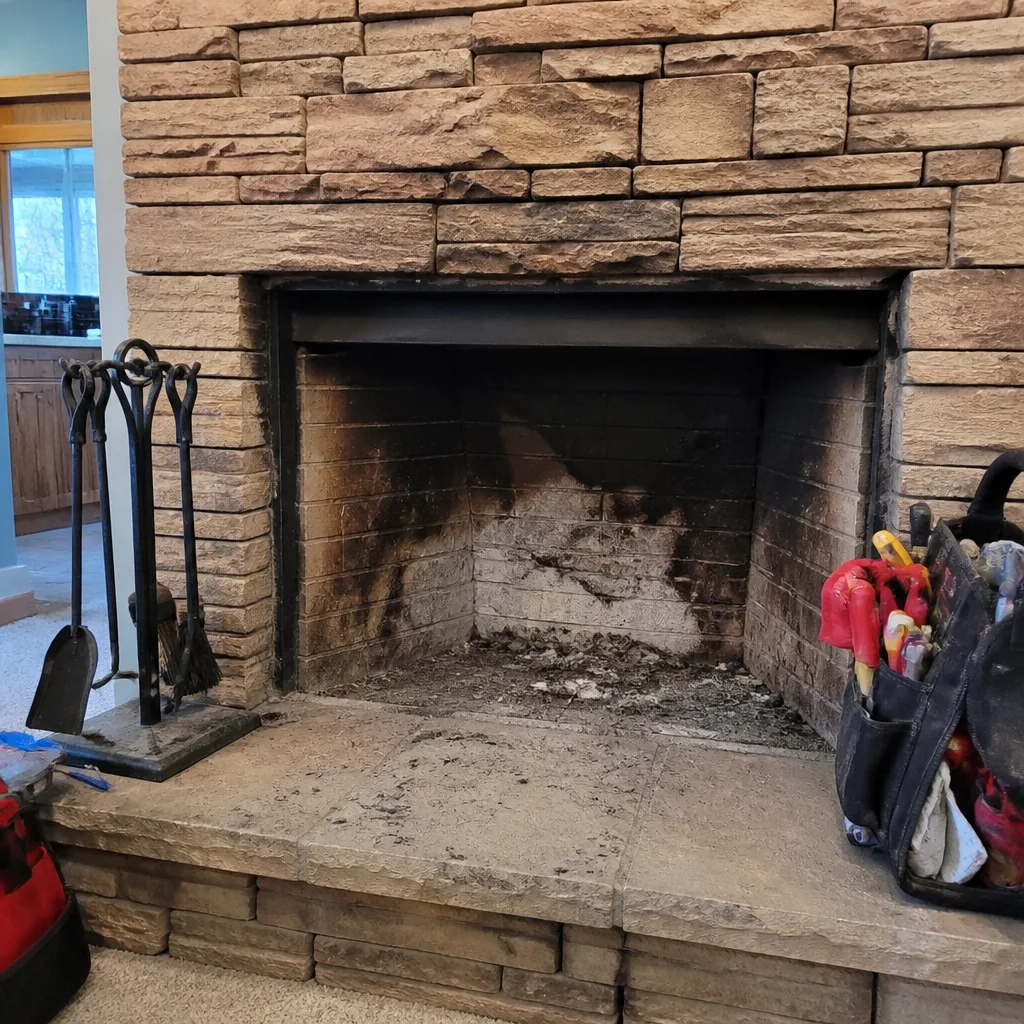 Before
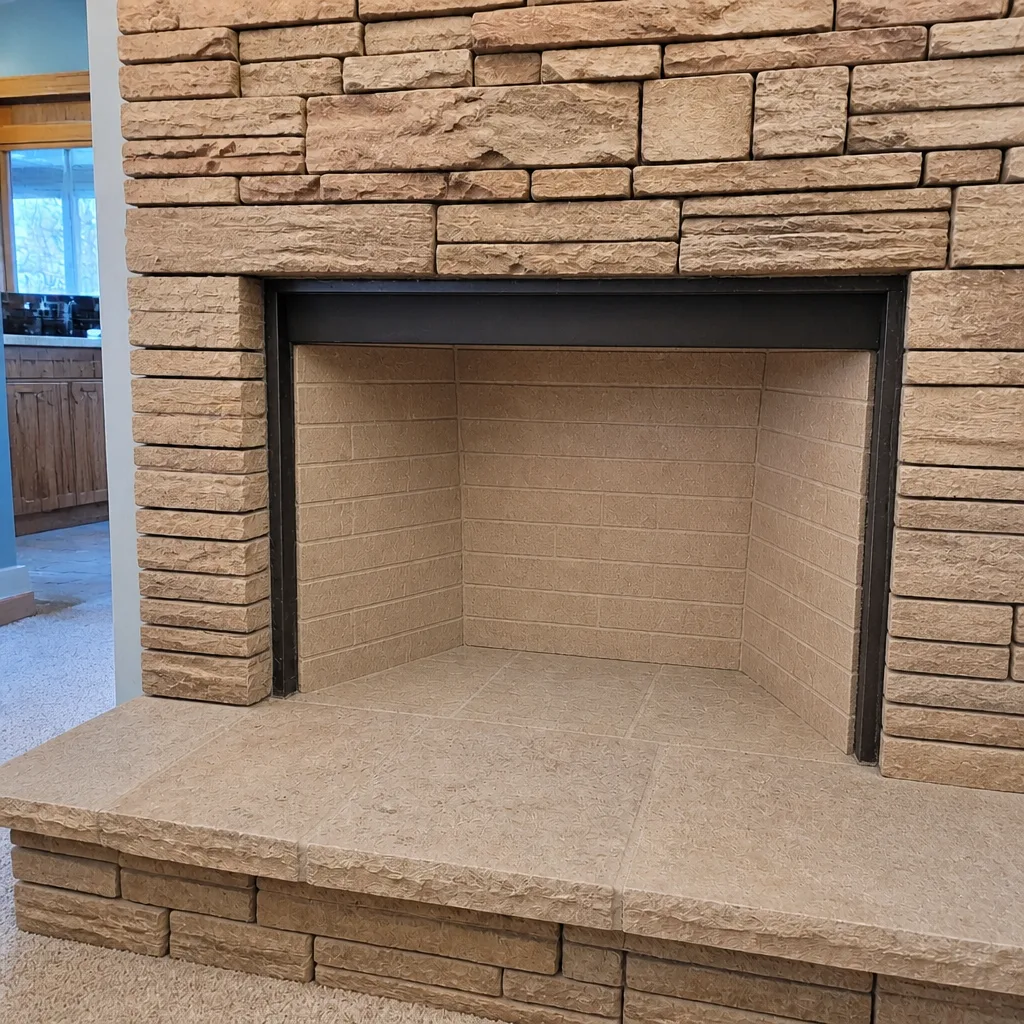 After
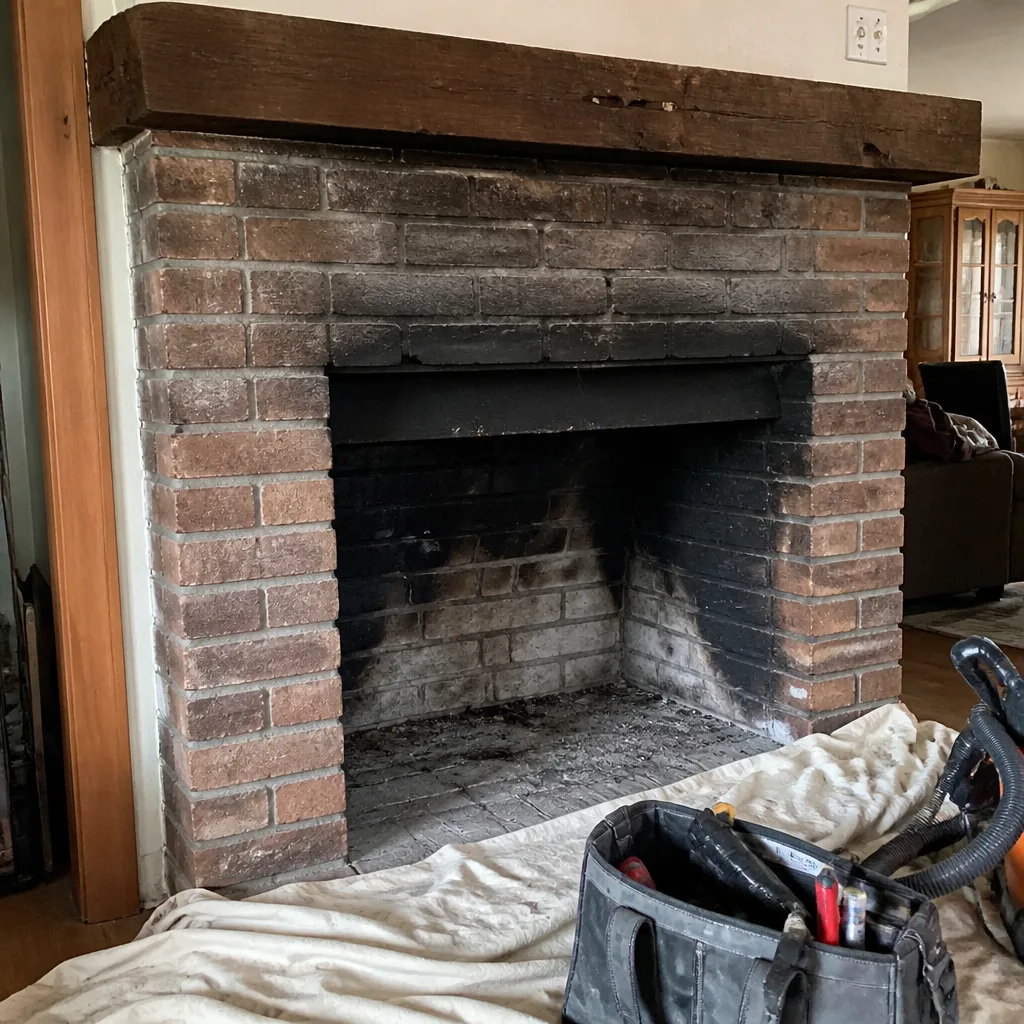 Before
 After
 Before
 After
When to Call a Professional
Some chimney problems can wait until the next scheduled sweep. Others can’t. Call a professional if you’re getting smoke backing into the room during a fire, if you see water stains on the ceiling or walls near the chimney, if a cap is visibly missing or loose, if the firebox or damper shows visible damage, or if you’ve noticed unexplained draft problems that a normal fire can’t overcome. Call if you’re buying or selling a home in South Hill and need a documented inspection for a transaction. Call if the last sweep you remember was more than a year ago and you burn steadily through the season. And call before the first freeze rather than after, because a crown repair done in autumn is a much smaller job than one done in the spring.
Chimney Sweep South Hill offers free estimates in South Hill. Call (877) 792-6671. We answer 24/7. Fast dispatch from 7am to 7pm, Sunday through Friday.
Frequently Asked Questions
A typical chimney sweep in South Hill is an estimated flat-price service, confirmed in writing before the appointment. The written estimate sets the final price, and no work is added without your approval. A sweep combined with a camera inspection is usually quoted together. Call (877) 792-6671 for an exact quote – estimates are free.
Not every failing liner needs a full replacement. A chimney with a sound structure and a compromised inner surface can often be restored with HeatShield resurfacing, which costs less than a full tear-out. The decision should be based on camera evidence you can see for yourself, not a verbal recommendation. Call (877) 792-6671 for an exact quote – estimates are free.
Once a year for homes that burn regularly, and more often if you burn a lot of softwood or run a wood stove through the shoulder seasons, which many South Hill homeowners do. The annual sweep is also the natural time for the inspection, cap check, and crown check. Call (877) 792-6671 for an exact quote – estimates are free.
Creosote builds up inside the flue with every fire, and the more it accumulates, the higher the risk of a chimney fire. Skipping long enough also means water damage from cracks that go unnoticed, which shows up slowly in the masonry and the liner. The sweep and the inspection together are what keep both risks in check. Call (877) 792-6671 for an exact quote – estimates are free.
Yes. An inspection is a standalone service and a good choice for home buyers, sellers, and anyone who wants a documented safety baseline before fire season. It includes camera evaluation and a written report with photos, meeting the standard expected for insurance and real-estate transactions. Call (877) 792-6671 for an exact quote – estimates are free.
Often, yes. Cap and crown work is the most common repair we complete on the same visit as the sweep because it’s straightforward when the materials are on hand. Caps are installed from manufacturer-grade components like Famco, and crowns are repaired or replaced with proper materials rather than field-improvized patches. Call (877) 792-6671 for an exact quote – estimates are free.
The Bottom Line
Hiring a chimney contractor in South Hill comes down to one question: can this company finish what it finds? Credentials are the starting point, not the answer. CSIA and NFI certification tell you someone has been trained. State licensing tells you a business is registered. What they don’t tell you is whether the technician arrives with DuraFlex in inventory, whether HeatShield resurfacing is on the table, and whether the same company that sweeps your chimney can repair, reline, cap, and crown it under one relationship.
Ask the diagnostic questions before you book. Watch the visit for camera footage and a written report. Compare capability, not just price. That’s how homeowners in South Hill get a chimney they can trust through the next burn season and the next rainy winter.
We handle the sweep and anything we find: sweep, inspection, fireplace repair, chimney repair, and cap and crown installation, with professional-grade components from brands like DuraFlex, HeatShield, Gelco, Olympia Chimney, Famco, and Copperfield. Our technicians have up to 15 years of experience. When you’re ready to book, call (877) 792-6671 for a free estimate. We answer 24/7. Fast dispatch from 7am to 7pm, Sunday through Friday.
Written by the team at Chimney Sweep South Hill.