
Last updated November 25, 2026
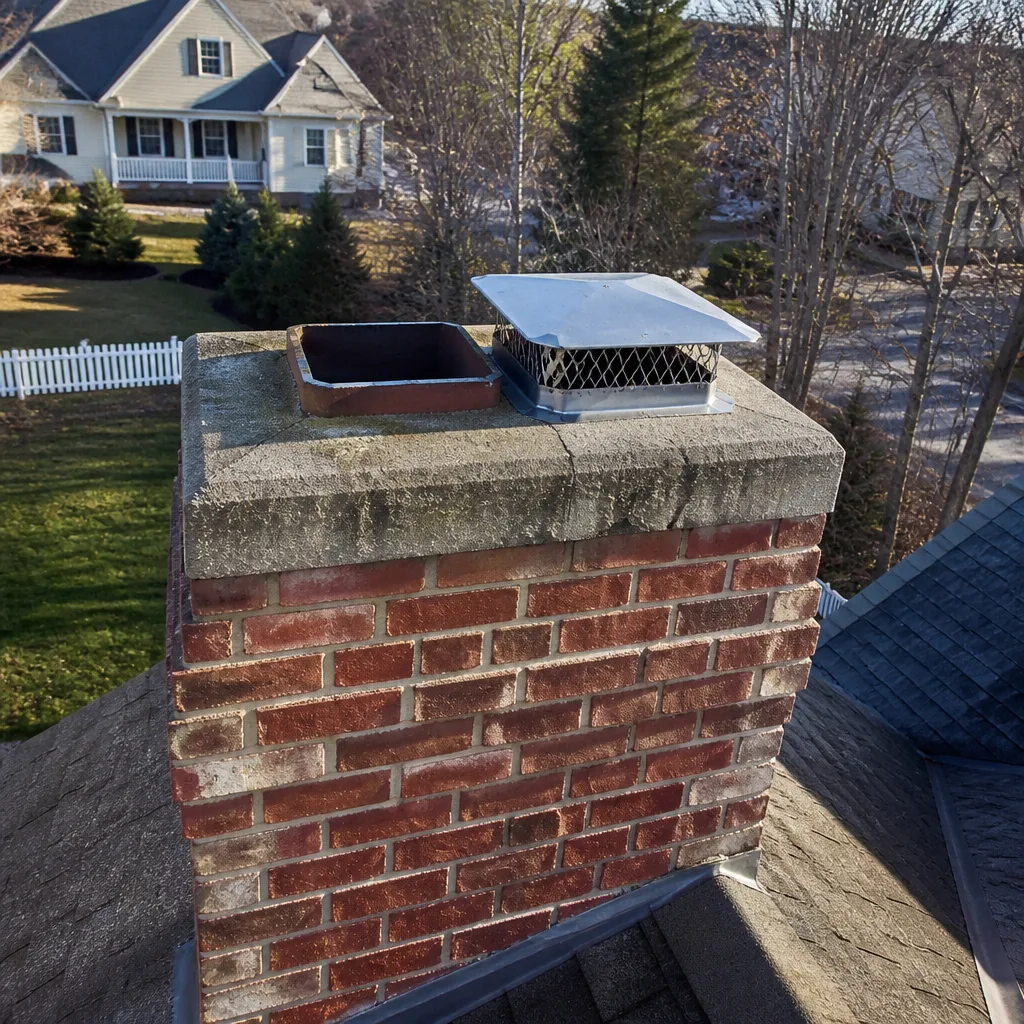 Sweep & inspection
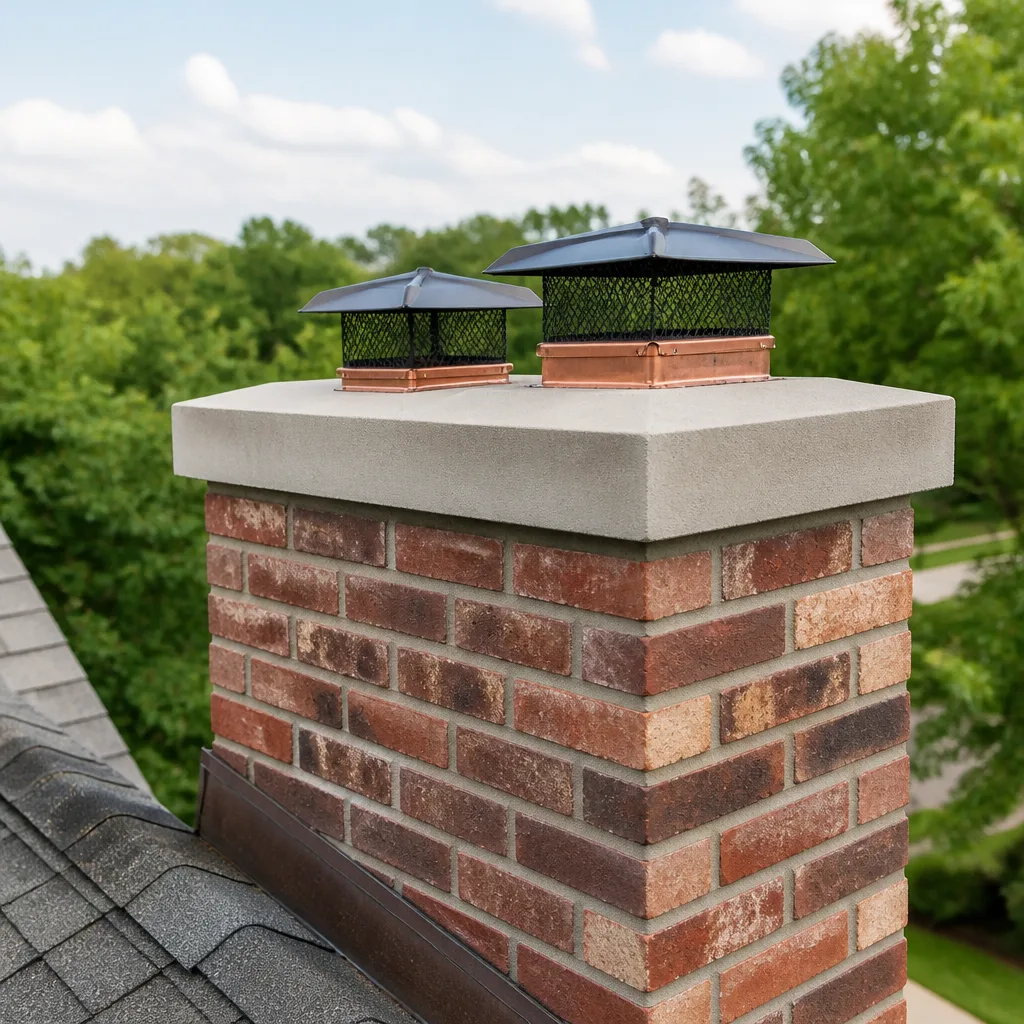 Caps & crowns
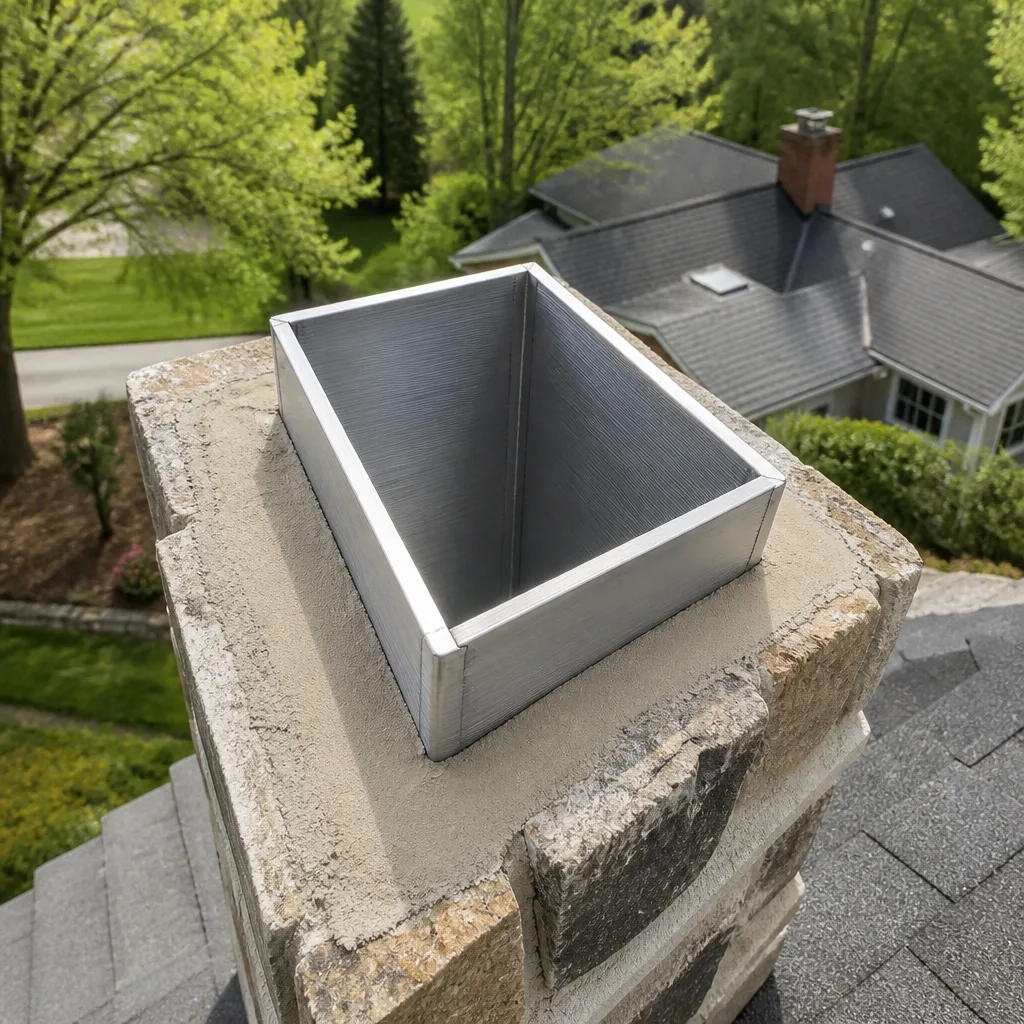 Flue relining
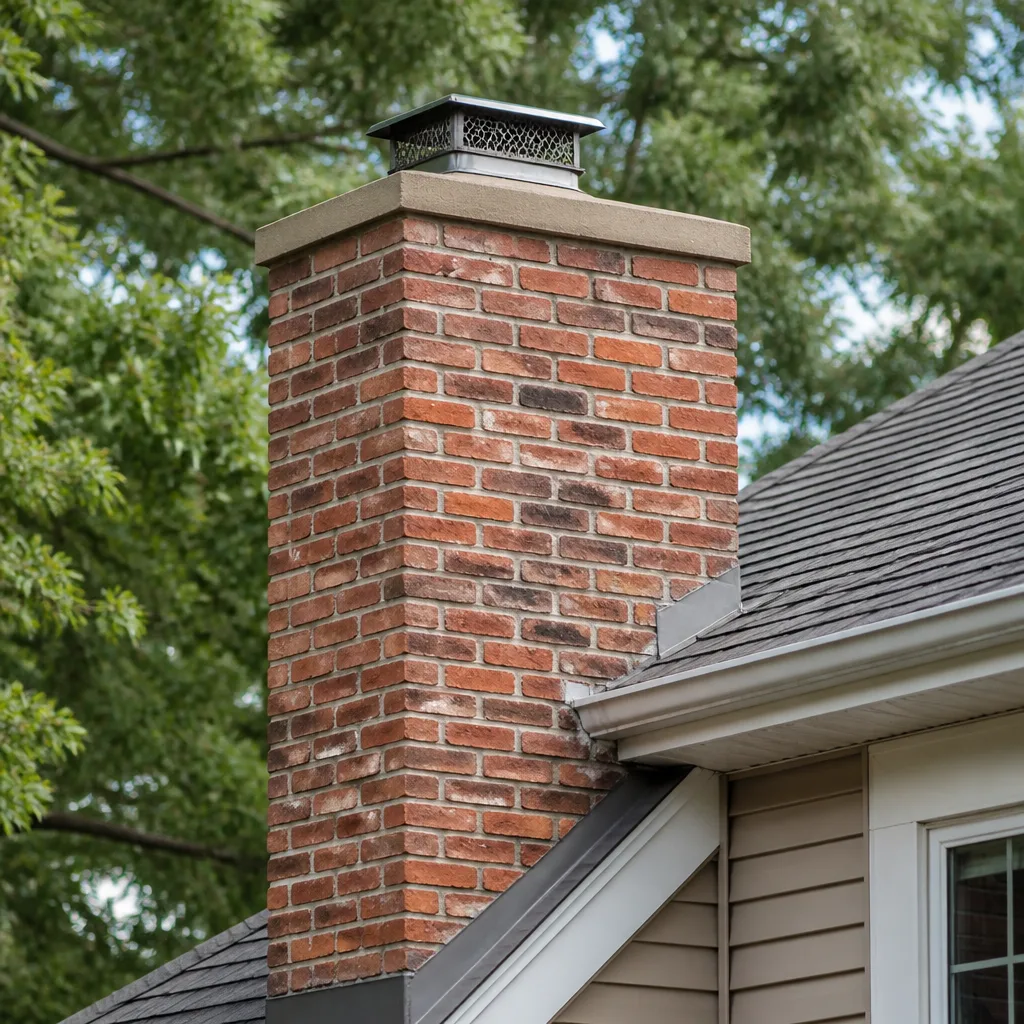 Masonry repair
 Gas fireplace service
Level 1 sweep and inspection to the NFPA 211 annual standard - flue, crown, cap, and flashing checked and photographed
Chimney sweep logs do not sweep chimneys. They loosen some creosote - which then falls where a brush and vacuum still have to collect it.
Seasonal Chimney Cleaning Care for South Hill: Year-Round Homeowner’s Guide
The chimney problem that ruins a February fire usually started in September. That’s the part most homeowners never see coming: a summer of moisture sitting in an uncapped flue, softening the mortar that holds the whole system together, long before anyone thinks about lighting a fire. By the time smoke backs up into the room or a water stain shows on the ceiling, the damage has been quietly working for months. South Hill’s weather doesn’t divide neatly into four equal seasons either. It runs on two high-risk windows and long shoulder periods where the real wear accumulates. This guide walks through the whole year, window by window, so you know what your chimney needs and when.
Quick Answer
Chimney care in South Hill follows a two-peak calendar, not four equal seasons. The riskiest windows are the first fires of November, when a cold flue and a season of neglect meet, and the final wet months of March, when moisture drives into masonry that freeze-thaw cycles have already opened up. The work that prevents both belongs in the shoulder periods: a summer inspection and repair window, a pre-season sweep before the first burn, a mid-season check if you burn hard, and a spring review after the wet season ends.
Styles & brands we work with
- Sweep & inspection
- Caps & crowns
- Flue relining
- Masonry repair
- Gas fireplace service
Table of Contents
- Why South Hill’s Weather Sets the Chimney Calendar
- Summer: Inspection and Repair Season
- Pre-Season: The Sweep Before the First Fire
- Mid-Season: When to Check Again
- Spring: Moisture Damage Review
- Three Season-Specific Damage Mechanisms
- Wood Storage and Seasoning in South Hill
- Why One Provider for the Whole Year Matters
Why South Hill’s Weather Sets the Chimney Calendar
South Hill sits in a part of Washington where the wet season runs long and the winters stay mild but damp. That combination is harder on a chimney than a deep, dry cold would be. Moisture lingers. Masonry stays saturated for weeks instead of drying out between storms. And when temperatures do dip below freezing in January and February, water that has soaked into brick and mortar expands as it turns to ice, then contracts as it thaws. That freeze-thaw cycle is the single most destructive force acting on a South Hill chimney system over a typical year.
What makes it worse is timing. The wet season arrives in fall and doesn’t really let go until spring. That means your chimney spends the months when you’re burning hardest also absorbing the most water. A flue that stays damp on the inside while hot gases move through it on the outside is under a kind of stress that a dry-climate chimney never sees.
South Hill homeowners also tend to live in housing stock where the chimney was built decades ago and has been patched, capped, or ignored in turns. The neighborhood’s mix of older homes and newer builds means the chimney you inherit may have very different needs depending on when it went up. The calendar below is the same for everyone, but the intensity of the work shifts with the age and condition of your system.
- Extended wet fall: moisture loads the masonry right as burning season begins.
- Mild, damp winter: saturation persists because it rarely dries out fully.
- Freeze-thaw in January and February: trapped water expands and cracks mortar and brick.
- Wet spring: the damage from winter becomes visible as spalling, staining, and loose mortar.
Understanding that cycle is the whole point. Once you see the chimney as a system reacting to South Hill’s weather rather than a pipe you clean once a year, the timing of every service starts to make sense.
Summer: Inspection and Repair Season
Summer is when the most valuable chimney work gets done, and it’s the window most homeowners skip entirely. With no fire in the box and dry weather overhead, a technician can see the flue, the crown, the cap, and the masonry clearly and can complete repairs before the wet season returns. This is the time to know exactly what you have before fire season, not the week you want to light the first fire.
A summer inspection is a full look at your chimney system: the firebox, the damper, the smoke chamber, the flue liner, the crown, the cap, and the exterior masonry. It’s also when we document what we find with photos, so you’re looking at evidence rather than taking anyone’s word for it. That documentation matters if you’re buying or selling a home, and it matters to insurers who want a record of the chimney’s condition.
If the inspection turns up problems, summer gives you time to fix them properly. Cracked mortar can be repointed. A failing crown can be rebuilt with manufacturer-grade materials. A damaged liner can be addressed before it becomes a hazard. When a liner is still structurally sound but worn, HeatShield resurfacing can restore it as an alternative to a full tear-out, which keeps the job contained and the cost lower than replacement in qualifying chimneys. That option only exists if you find the problem in summer, while there’s time to plan.
We handle the sweep and anything we find, which is why the summer window works best as a single visit from a full-system provider. Inspection services stand on their own here too, useful for buyers, sellers, and anyone who simply wants a documented safety baseline before the season turns.
- Book the inspection while the weather is dry and the flue is clear.
- Review the photo documentation with the technician on site.
- Separate findings into “fix now,” “fix before fall,” and “monitor.”
- Schedule any repair work while there’s still runway before the wet season.
Pre-Season: The Sweep Before the First Fire
The pre-season sweep is the one appointment no wood-burning household should skip. It happens in early fall, before the first fire of the year, and it does two things: it removes the creosote and soot that built up last season, and it gives you a fresh look at the system before you put it back to work. This is the sweep most people picture when they think about chimney care, and it’s genuinely important, but it’s only one part of the year.
Creosote is the reason. It’s the residue left behind by wood smoke, and it accumulates in the flue every time you burn. Thin, flaky creosote is manageable. Glazed, tar-like creosote is not. It’s the form that fuels chimney fires, and it’s stubborn once it sets. A pre-season sweep clears the ordinary buildup so the flue starts the season clean, which means less to glaze over during the cold months.
In South Hill, the pre-season sweep matters more than it might elsewhere because of how the fall weather behaves. Damp, cool evenings tempt people to light a fire early, sometimes before they’ve had the chimney cleaned. Those early shoulder-season fires burn inefficiently in a cold flue, and inefficient fires produce more creosote. Getting the sweep done before that first tempting cold snap keeps the whole season cleaner.
A proper chimney sweep also includes a basic check of the damper, the firebox, and the visible flue, so you catch small issues before they become winter problems. If you want to understand what a sweep involves from start to finish, our guide to Chimney Sweep South Hill walks through the process.
- Book the sweep before the first cold snap, not after.
- Clear creosote and soot so the flue starts clean.
- Check the damper and firebox while the flue is accessible.
- Flag anything that needs attention before heavy burning begins.
Mid-Season: When to Check Again
Not every household needs a mid-season visit, but heavy burners do. If you’re running the fireplace or stove most days through December and January, creosote builds faster than a once-a-year schedule accounts for. A mid-season assessment, typically in January, catches glazing before it hardens and confirms the system is still drafting the way it should at the peak of the season.
There are signals that tell you it’s time to call rather than wait. Smoke rolling into the room when you light a fire. A draft that’s gotten weaker than it was in November. A stronger smell of creosote or smoke in the house even when nothing’s burning. Any of these point to a flue that’s loading up or a system that’s developed a problem mid-season.
Mid-season is also when the first real freeze-thaw damage of the year tends to show itself. A January cold snap can open a crack in the mortar that wasn’t there in the fall. If you notice crumbling mortar, a loose brick, or a new stain on the exterior, it’s worth having it looked at before the next round of freezes widens it.
We’re honest about this: if your burn frequency is modest and the pre-season sweep was thorough, you may not need a mid-season visit at all. The point isn’t to sell an extra appointment. It’s to match the schedule to how you actually use the chimney. Heavy use earns a second look. Light use usually doesn’t. When in doubt, a quick conversation about your burning habits tells us which category you’re in.
Spring: Moisture Damage Review
Spring is when the bill for winter comes due, and it’s the season most South Hill homeowners ignore. All that wet weather and freeze-thaw cycling has been working on your masonry for months. By the time the rain eases, the damage is done and visible if you know where to look. A spring moisture damage review catches it before summer repairs become urgent fall emergencies.
What are we looking for in spring? Spalling brick, where the face of the brick has flaked or popped off because water froze inside it. Crumbling or recessed mortar joints. Efflorescence, the white powdery staining that signals moisture moving through masonry. Rust streaks or water marks on the exterior. A crown that’s cracked or pulling away from the flue. A cap that’s loose, rusted, or missing. Each of these is a water intrusion point, and each one gets worse with another wet season.
The cap and crown deserve special attention in spring because they’re the two most common points where water gets into a chimney system. A crown is the concrete surface at the top that sheds water away from the flue. A cap sits over the flue opening to keep rain, animals, and debris out. Summer UV and biological growth like moss and algae degrade both over the warm months, and winter finishes the job. When either fails, water runs straight down into the flue and the masonry below.
Spring is the right time to schedule chimney repair for anything the review turns up, because summer is when the work can actually be completed in dry conditions. If the review reveals firebox or damper problems, that’s the moment to line up fireplace repair as well, so the whole system is ready before fall.
Three Season-Specific Damage Mechanisms
Most chimney damage isn’t random. It follows predictable patterns tied to the season. Understanding the three main mechanisms helps you recognize trouble early and understand why the timing of service matters.
Spalling from freeze-thaw
Water gets into brick and mortar during the wet fall and winter. When temperatures drop below freezing in January and February, that trapped water expands and pushes outward. The brick face flakes off, mortar joints crack, and the structure weakens. South Hill’s damp-then-freeze pattern is ideal for spalling, which is why exterior masonry inspection matters so much here. Once spalling starts, it accelerates, because each new crack lets in more water.
Creosote glazing from cold shoulder-season fires
Creosote forms differently depending on how hot the fire burns. A hot, efficient fire produces thin, flaky creosote that’s easy to sweep. A cool, smoldering fire produces glazed, tar-like creosote that bonds to the flue and is much harder to remove. The shoulder seasons, those cool fall and early spring days when you light a small fire to take the chill off, are prime glazing conditions. The flue is cold, the fire is small, and the smoke condenses on the flue walls. Burning damp or green wood makes it worse. Glazed creosote is the fuel for chimney fires, which is why the pre-season sweep and proper burning habits matter so much in South Hill’s climate.
Cap deterioration from summer UV and moss
Summer looks harmless to a chimney, but it’s when the cap takes its beating. UV exposure breaks down the materials over the warm months, and the damp conditions moss and algae love let biological growth take hold. A cap that’s rusted, cracked, or clogged with debris stops doing its job, and the first fall rain finds its way in. Checking the cap in late summer, before the wet season, catches this before it causes interior damage.
Wood Storage and Seasoning in South Hill
The wood you burn matters as much as the chimney you burn it in, and South Hill’s climate makes seasoning a real challenge. Damp air and a long wet season mean wood dries slowly here compared to a dry climate. If you’re cutting or buying wood in spring for fall burning, you’re working against the weather unless you store it right.
Green wood is the enemy of a clean flue. It holds water, burns cool, and produces far more creosote than seasoned wood. Burning green wood in October, right when the shoulder-season fires start, accelerates creosote buildup at exactly the wrong time. The moisture in the wood cools the fire, the cool fire produces glazed creosote, and the glaze sets before the real burning season even begins.
Seasoning timelines in South Hill need to account for the wet season. Wood that’s split and stacked properly needs months of dry air to reach a usable moisture level, and the damp fall and winter don’t help. The practical approach:
- Split wood early and stack it where air moves through it freely.
- Keep the stack covered on top but open on the sides so moisture escapes.
- Store it off the ground on a rack or pallet, never directly on soil.
- Keep the stack away from the house and clear of the chimney exterior.
- Test moisture before burning; dry wood burns hot and clean.
- Bring wood inside only shortly before burning, not for long storage.
Good storage also protects your chimney indirectly. Wood stacked against the house or the chimney keeps moisture against the masonry, which is the last thing a South Hill chimney needs heading into winter.
Why One Provider for the Whole Year Matters
The seasonal calendar only works if the findings from one visit actually get resolved. That’s the hand-off problem, and it’s common. A sweep-only crew cleans the flue, spots a cracked crown, and tells you to call someone else. The repair company arrives weeks later, sees something different, and the two findings never connect. The seasonal issue that started the whole thing gets lost between providers.
A full-system provider closes that gap. The same company that cleans your chimney can also fix what it finds. A summer inspection that turns up a worn liner can lead straight into HeatShield resurfacing or a DuraFlex liner installation, with the work documented and completed in one relationship. A pre-season sweep that reveals a failing cap can lead into a new cap and crown with manufacturer-grade materials, not a field-improvised patch. The cap, crown, and liner are a natural trio when you’re talking about water and weatherproofing, and handling them together is how a chimney system actually gets protected rather than patched.
This is where material knowledge shows. Our work draws on professional-grade components from brands like DuraFlex, HeatShield, Copperfield, and Famco, and our technicians have up to 15 years of experience. Our technicians have up to 15 years of experience with chimney systems and the products that hold them together. Fewer hand-offs mean fewer seasonal findings left unresolved.
For a South Hill homeowner, that continuity is what turns a calendar of appointments into an actual year-round relationship with one company accountable from diagnosis through repair. When a spring review finds moisture damage, the same provider that found it can plan the summer repair. When a mid-season check in January catches glazing, the same provider can address it. Nothing falls between the cracks.
Common Mistakes to Avoid
- Treating the annual sweep as the whole job. A pre-season sweep clears the flue, but it doesn’t catch the exterior masonry damage that a summer inspection would. Miss the inspection and you miss the freeze-thaw problems until they’re expensive.
- Skipping the spring review because the fire is out. Spring is when winter’s damage becomes visible, and it’s the best time to plan repairs for the dry months. Waiting until fall means fixing things under time pressure.
- Burning green or damp wood in October. Shoulder-season fires in South Hill already run cool, and wet wood makes them cooler still. That’s the recipe for the glazed creosote that fuels chimney fires.
- Ignoring the cap and crown until water shows up inside. By the time a stain appears on the ceiling, water has been moving through the system for a while. Check the cap and crown before the wet season, not after.
- Stacking firewood against the chimney. It seems convenient, but it holds moisture against the masonry and invites pests. Keep the stack well clear of the house.
- Letting a sweep-only crew hand off a repair. When the person who cleaned doesn’t fix what they found, seasonal findings get lost. One provider for the whole year keeps the record intact.
- Assuming a mild winter means no damage. South Hill’s damp winters with periodic freezes are harder on masonry than a dry, consistently cold one. Mild doesn’t mean safe.
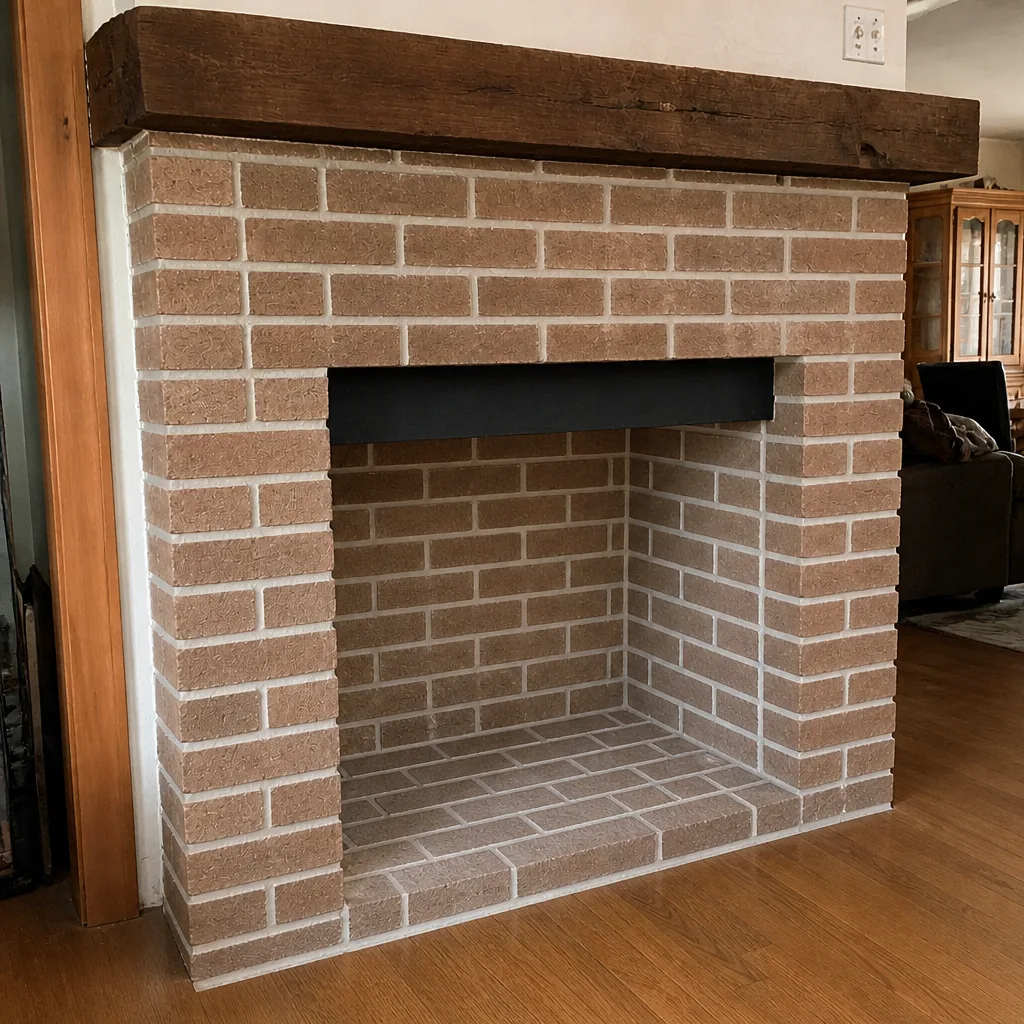
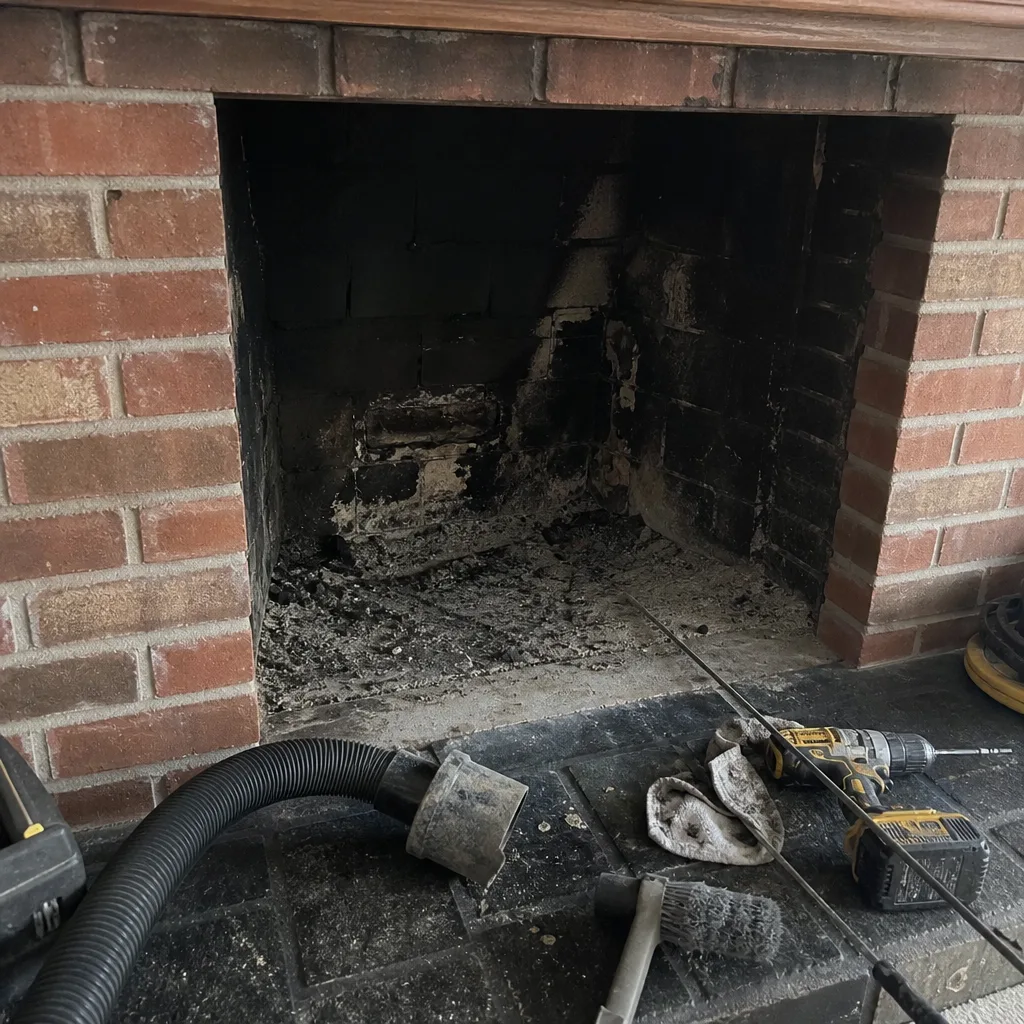
See the difference
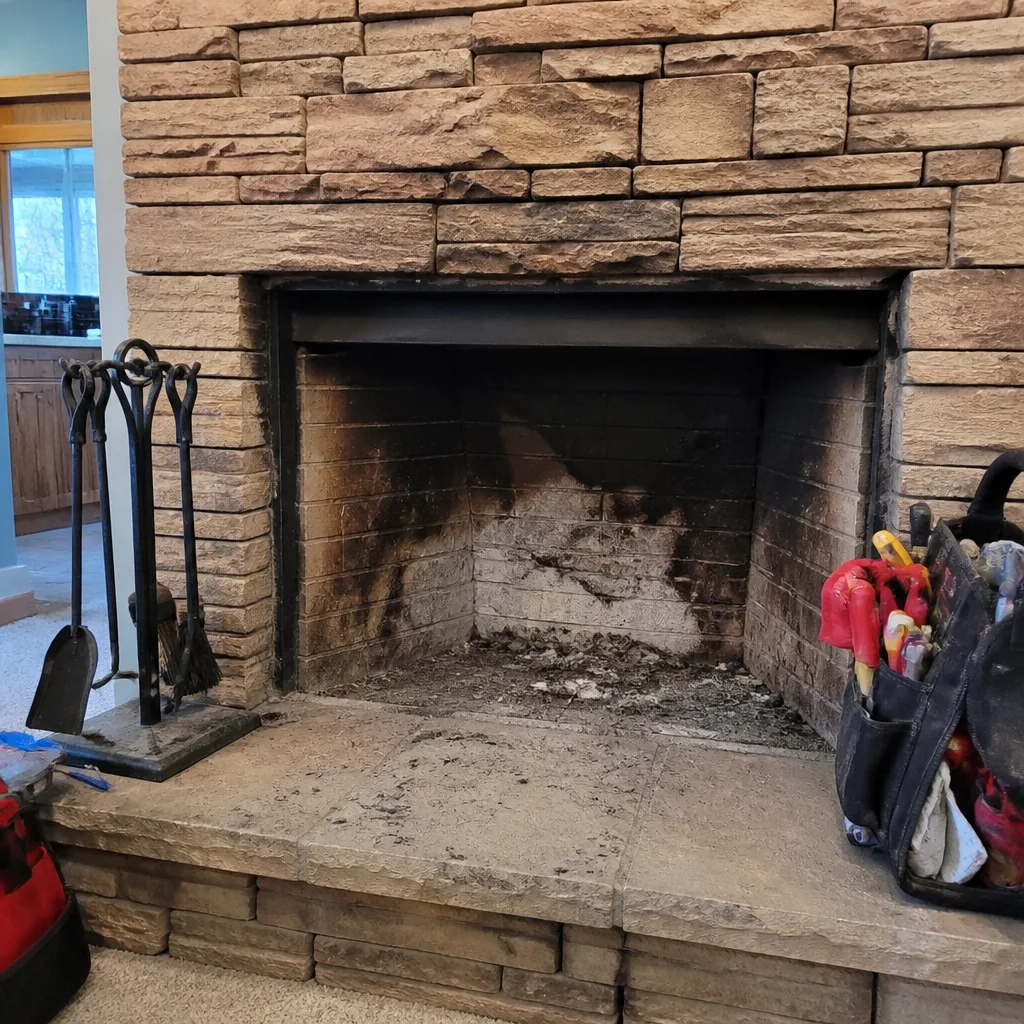 Before
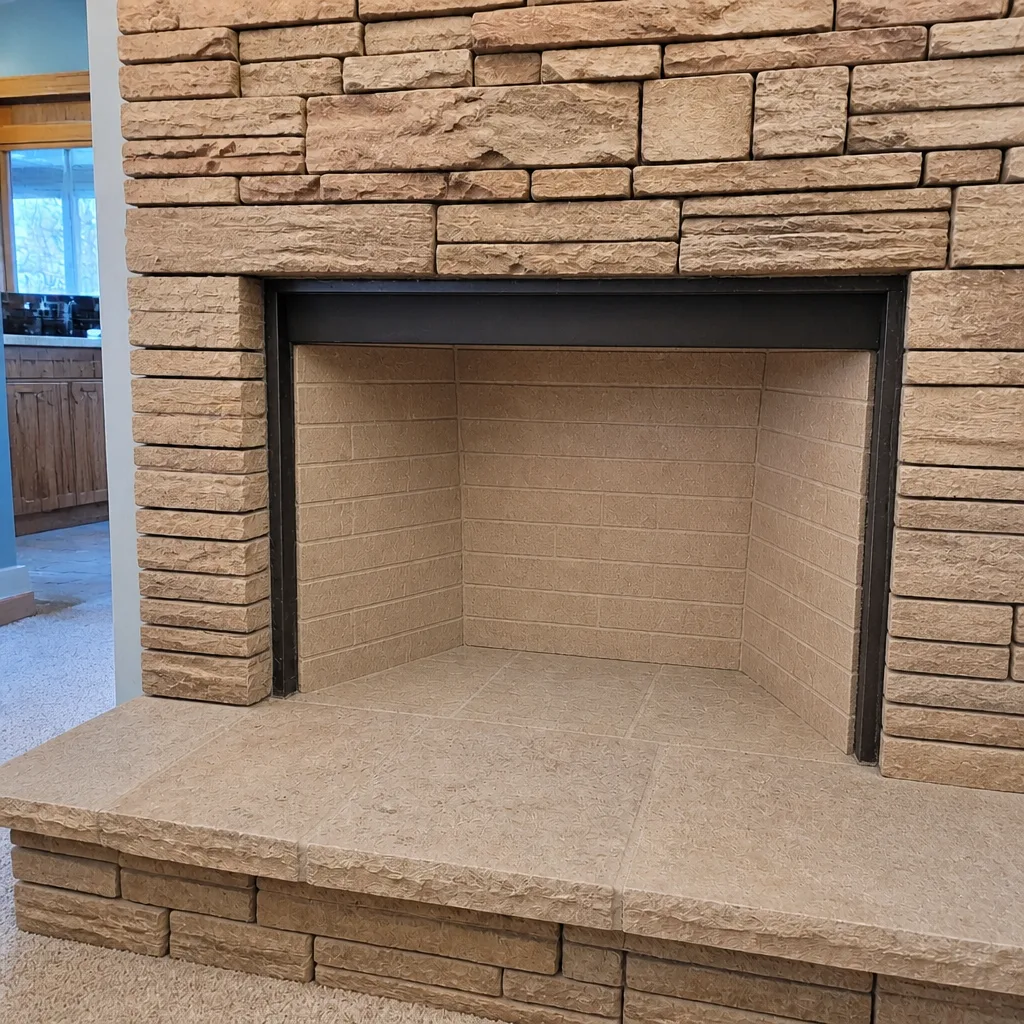 After
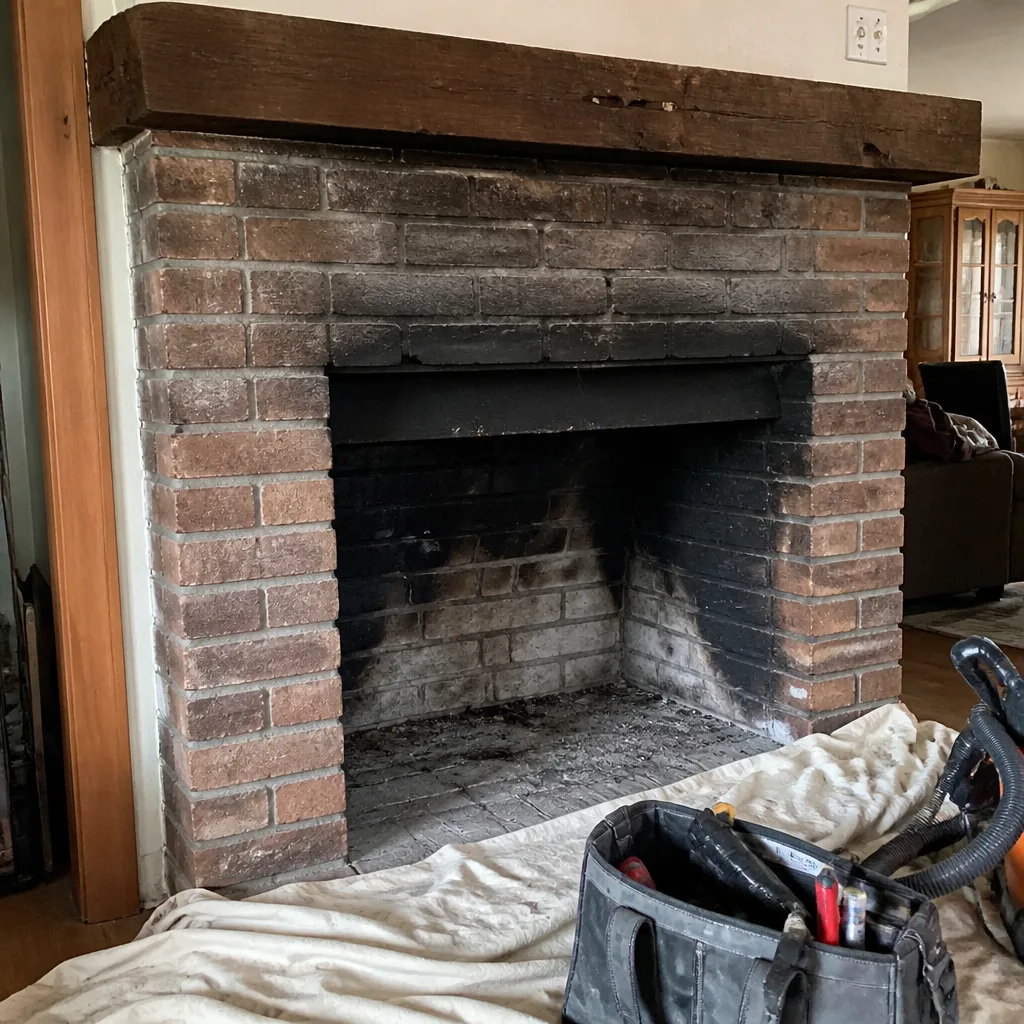 Before
 After
 Before
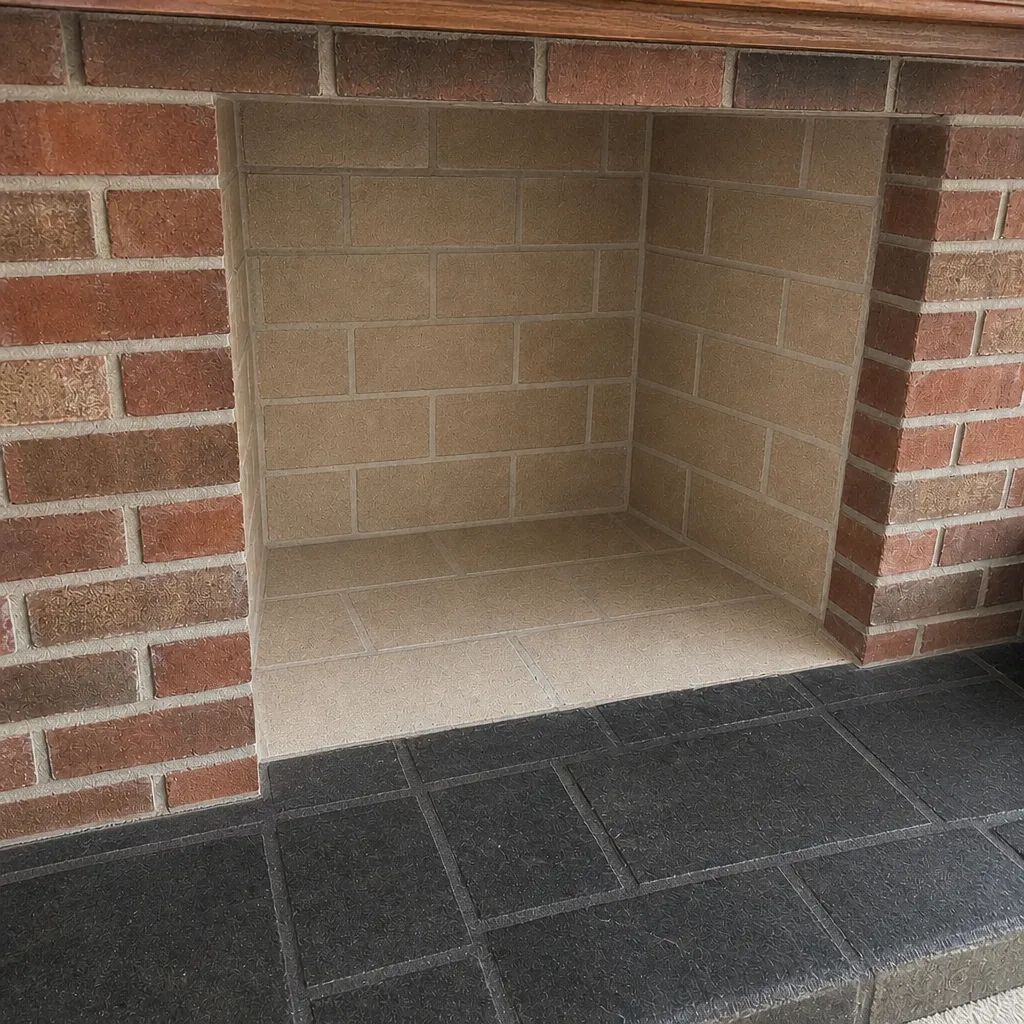 After
When to Call a Professional
Some chimney work should never wait for the calendar. Call a professional if you smell creosote or smoke in the house when nothing’s burning, if smoke rolls into the room when you light a fire, if you see crumbling mortar, loose brick, or white staining on the exterior, or if water is showing up anywhere it shouldn’t. Those are signs of a system that has moved past routine maintenance into repair. High burn frequency through the winter is another reason to have the chimney checked mid-season rather than pressing on and hoping. And if you’re buying or selling a home in South Hill, a documented inspection gives you a clear safety baseline before closing. Chimney Sweep South Hill offers free estimates in South Hill. Call (877) 792-6671. We answer 24/7. Fast dispatch from 7am to 7pm, Sunday through Friday. A call outside dispatch hours is booked into the next opening, Sunday through Friday, 7am to 7pm.
Frequently Asked Questions
Most South Hill wood-burning households should have the chimney swept once a year, before the burning season begins, with an inspection in summer to catch structural issues. If you burn heavily through the winter, a mid-season check in January is worth adding. The right frequency depends on how much you burn and how the system is built, so it’s worth discussing your habits with a technician rather than relying on a fixed rule.
Spring is when the damage from the wet winter becomes visible and when repairs can be planned for the dry summer months. Freeze-thaw cycling through January and February opens cracks in masonry and mortar, and a spring review catches them before another wet season makes them worse. Skipping spring means discovering the damage in fall when there’s no time to fix it properly.
Partially dried wood still burns cool and produces more creosote than properly seasoned wood, which is a real problem in South Hill’s damp climate. Green wood burned in October’s shoulder season is a main cause of glazed creosote. Test the moisture before you burn and give wood the months it needs to season in the open air.
A sweep removes creosote and soot from the flue; an inspection examines the whole chimney system for condition and safety. They’re different services, and a full-system provider offers both. Inspections stand on their own as a documented safety baseline, which is why they’re useful for buyers, sellers, and anyone who wants to know what they have before fire season.
The cap and crown are the two most common points where water enters a chimney system, and South Hill’s long wet season makes water intrusion a serious concern. Summer UV and moss degrade the cap and crown, and the first fall rain finds the weak spot. Checking and repairing them before the wet season is one of the highest-value things you can do for your chimney.
Skipped care lets creosote build to a glazed state and lets freeze-thaw damage progress unchecked, both of which raise the risk of a chimney fire or structural failure. The problems that start small in one season get expensive by the next. Call (877) 792-6671 for an exact quote on the work your chimney needs. Estimates are free.
The Bottom Line
South Hill’s chimney year runs on two high-risk windows, the first fires of November and the wet final months of March, with the real damage happening quietly in the shoulder periods between them. Summer is for inspection and repair, early fall for the pre-season sweep, January for a mid-season look if you burn hard, and spring for a moisture damage review. Match wood storage and seasoning to the damp climate, watch the cap and crown before the wet season, and keep one full-system provider accountable from diagnosis through repair. That’s how a chimney makes it through a South Hill year intact.
Written by the team at Chimney Sweep South Hill.