
Last updated November 25, 2026
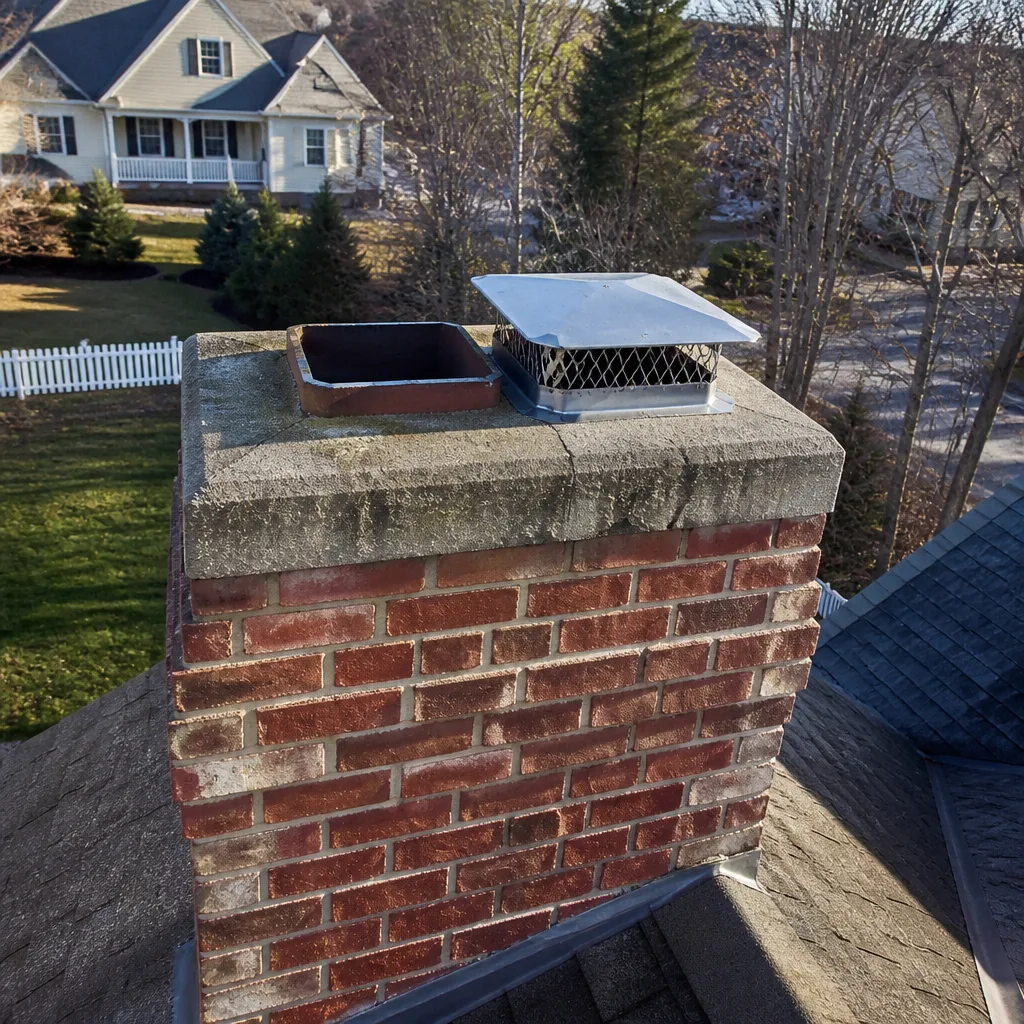 Sweep & inspection
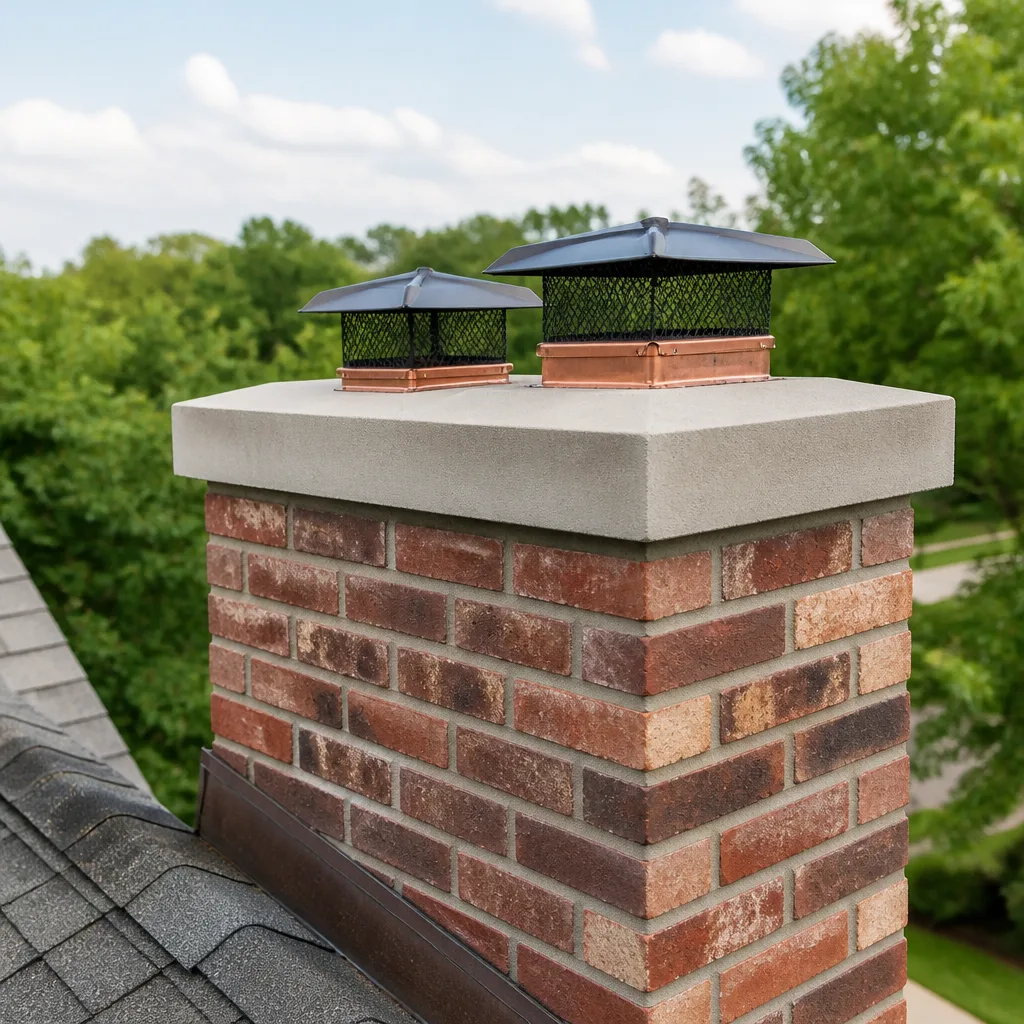 Caps & crowns
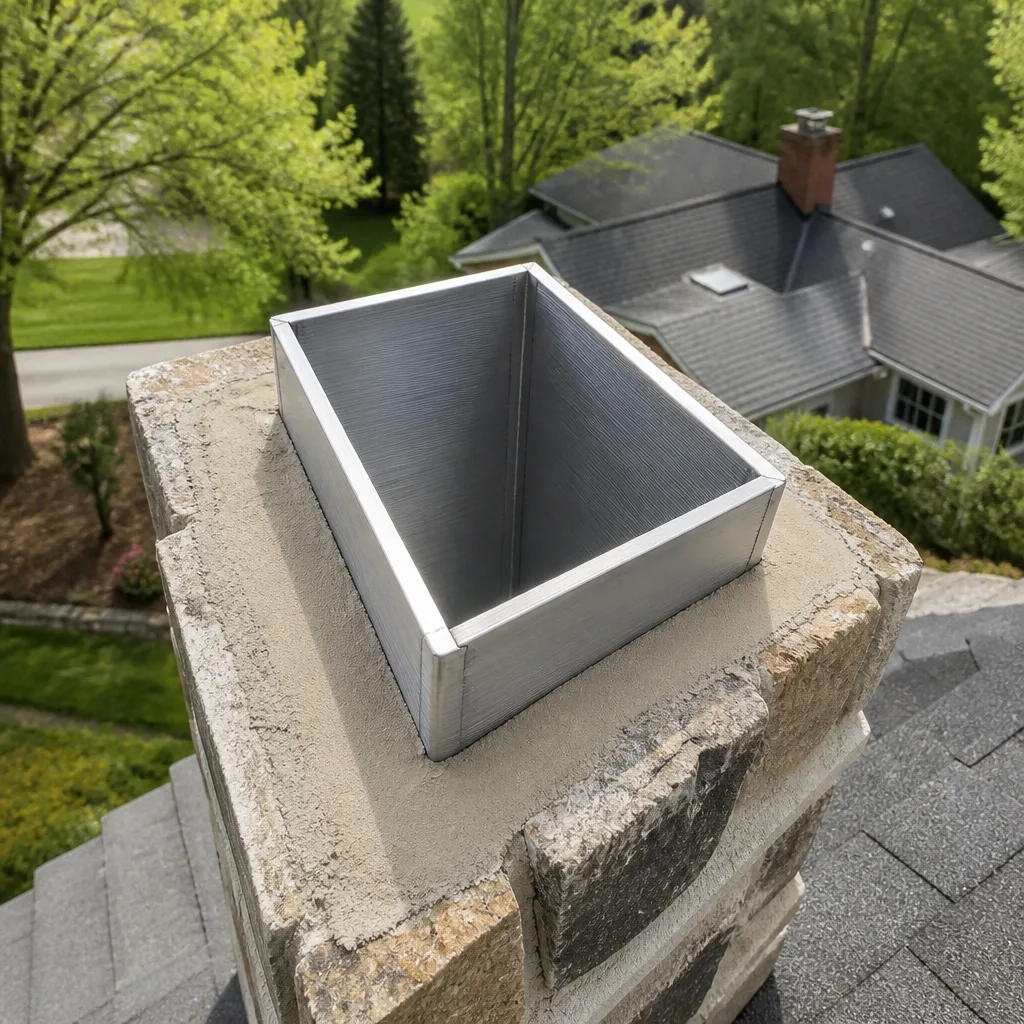 Flue relining
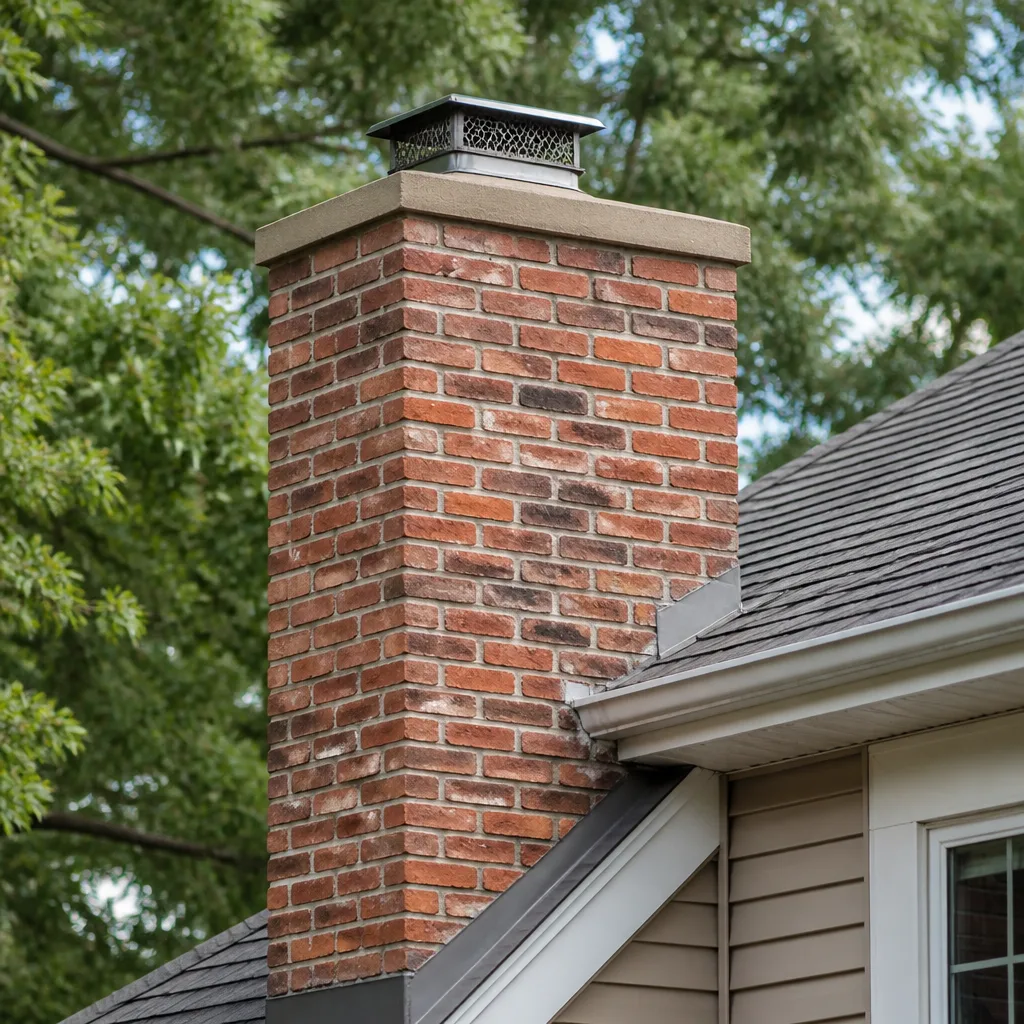 Masonry repair
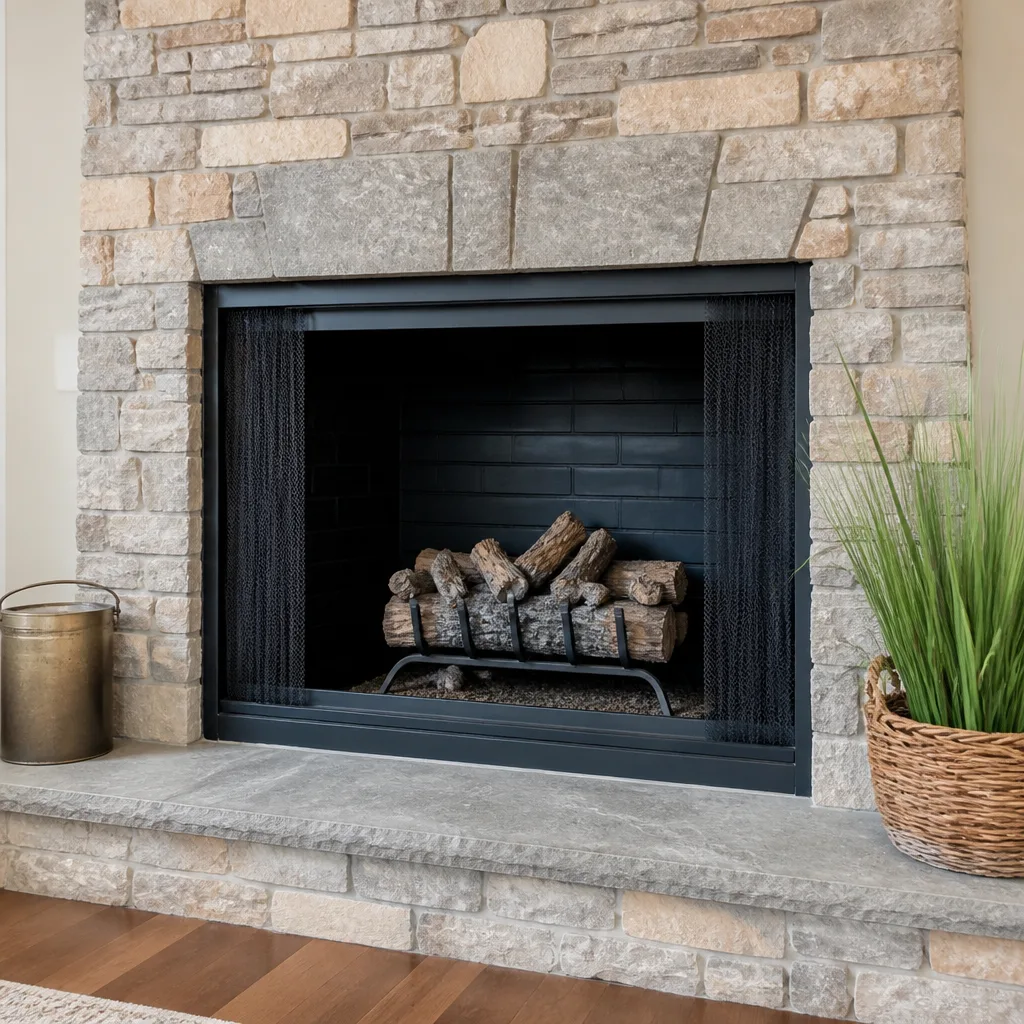 Gas fireplace service
Level 1 sweep and inspection to the NFPA 211 annual standard - flue, crown, cap, and flashing checked and photographed
Chimney sweep logs do not sweep chimneys. They loosen some creosote - which then falls where a brush and vacuum still have to collect it.
The Complete Guide to Chimney Cleaning in South Hill
Most chimney fires don’t start because a homeowner skipped cleaning. They start because the cleaning stopped at the flue and missed the creosote packed into the smoke chamber above it. That upper chamber is shaped like an inverted funnel, and it collects the same deposits the flue does, only in a place most brush-and-go sweeps never reach. This guide walks through what a genuinely complete cleaning involves in South Hill, where the marine-influenced climate and cool shoulder-season burns change what builds up inside your system. You’ll learn how each zone of a chimney is assessed, what to expect from a real inspection, and how often your specific setup actually needs attention.
Quick Answer
Chimney cleaning in South Hill means more than running a brush down the flue. It’s a zone-by-zone assessment of the firebox, smoke chamber, flue, crown and cap, followed by a cleaning calibrated to what’s actually built up, then a documented inspection. Homes that burn damp or softwood on mild Pacific Northwest evenings tend to accumulate glazed creosote faster than the “once a year” rule suggests, so the real cadence depends on your fuel, your appliance type and how you actually burn.
Styles & brands we work with
- Sweep & inspection
- Caps & crowns
- Flue relining
- Masonry repair
- Gas fireplace service
Table of Contents
- The Anatomy of a Chimney System: Five Zones That Each Need Their Own Look
- Why South Hill Fuel Patterns Change Your Creosote
- What a Complete Cleaning Actually Looks Like
- Level 1 vs. Level 2 Inspection in South Hill
- What Gets Missed When a Sweep-Only Crew Finds a Problem
- How Often You Really Need Cleaning (Not Just “Once a Year”)
- Cap, Crown and Liner: Protecting Your System From Water
- What Influences the Cost of Chimney Cleaning in South Hill
The Anatomy of a Chimney System: Five Zones That Each Need Their Own Look
A chimney isn’t one pipe. It’s five distinct zones stacked vertically, and each one fails, clogs or weathers differently. Treating them as a single unit is why cleaning can feel incomplete: the flue gets attention and the rest gets ignored.
The firebox is where everything starts. We look at the firebrick joints, the mortar, the damper, and any visible cracking in the wall panels. Panels that have spalled or joints that have opened aren’t cosmetic; they can let heat reach framing behind the surround. The firebox is also where you’ll see the first signs of incomplete combustion, like heavy soot or glassy deposits on the brick facing.
The smoke chamber sits directly above the damper and is the single most overlooked zone in any chimney system. Its sloped walls (called the corbel) are designed to funnel smoke into the flue, but those same slopes catch creosote, and brushes can’t follow the angle. This is where stage-three glazed creosote tends to form, and it’s a common reason a swept flue can still carry real fire risk. HeatShield resurfacing is one approach to smoothing a rough or failing chamber so it no longer catches deposits on every burn.
The flue is the pipe everyone pictures. It needs to be brushed to its full height, checked for gaps at the joints, and inspected for heat damage or warped liners, especially in older South Hill homes where clay tile may have cracked.
The crown is the concrete cap at the top of the masonry stack. A cracked crown lets water straight into the structure below it, and in a wet climate that’s the beginning of a much larger repair.
The cap is the metal or masonry cover over the flue opening. It keeps rain, animals and debris out. A missing or rusted cap is one of the most common problems we find on inspections, and one of the simplest to fix early.
Why South Hill Fuel Patterns Change Your Creosote
South Hill sits in a climate where fire season isn’t sharply defined. Fall stretches on, winters are mild, and spring arrives slowly. That pattern shows up inside your chimney in a way that’s easy to miss.
Full winter burns, when the fire is running hot and long, tend to produce a drier, more powdery creosote that brushes off relatively easily. The problem is the shoulder-season fire, the one you light because the evening is cool but not cold. These are typically smaller fires with less draft, damper partly closed, and wood that hasn’t fully seasoned. That combination drops flue gas temperatures below the point where creosote burns away clean, and the result is stage-two creosote: a crusty, flaky layer that sticks harder than powder and needs a proper rotary cleaning rather than a quick brush.
In South Hill we also see firewood that’s been stored through a wet fall and never fully dried. Wood that reads dry on the outside can still be holding moisture internally, and that moisture is what pushes combustion into the incomplete zone even when the fire looks healthy. The practical rule: softwood burned cool leaves more buildup than hardwood burned hot, and the shoulder season is when most of the buildup happens.
If you burn only occasionally, on cool evenings in October and March, you may be accumulating creosote more slowly in total volume than a full-time burner, but with a higher proportion of the sticky stage-two layer. That’s a different cleaning problem, not necessarily a lighter one.
What a Complete Cleaning Actually Looks Like
A complete cleaning is a sequence, not a single action. Here’s the order we follow, and what each step tells us.
- Protect the room. Drop cloths over the hearth and surrounding floor, and a sealed vacuum at the firebox face so no dust enters the living space.
- Inspect before cleaning. We look at the firebox, damper and the visible throat before touching anything. Cleaning a system with a known problem without documenting it first is how structural damage gets missed.
- Clean the firebox and damper. Soot off the firebrick, debris off the damper shelf, so the rest of the run starts from a clean base.
- Clean the smoke chamber. This is the step that separates a full-system cleaning from a flue-only one. Rotary tools are shaped to follow the corbel on both sides, which a straight brush cannot do.
- Brush the flue to the top. Whip through the full height from below or above depending on access, and run a camera down afterward to confirm the liner is clean and intact.
- Camera inspection of the liner and connections. We want to see the joints and any liner transitions with our own eyes, and so should you. Photos get documented for your records.
- Roof-level check. Crown, cap, spark arrestor, flashing and the masonry stack get a visual assessment from the roof or from a vantage point when roof access isn’t safe.
Every one of these steps answers a specific question about your system. If a company can’t or won’t walk through all seven, the cleaning is partial by design, and whatever it missed is unknown to you.
Level 1 vs. Level 2 Inspection in South Hill
Homeowners hear “Level 1” and “Level 2” and assume the difference is price. It isn’t. The levels describe what gets looked at, and the right one depends on what’s happening with your chimney.
A Level 1 inspection is a visual check of the readily accessible parts of the system: firebox, damper, flue as visible from the firebox, and the exterior at ground level or a safe vantage. It’s the standard that comes with a routine annual sweep, and it’s appropriate when nothing has changed since the last visit, you’re burning the same fuel, and there have been no events like a chimney fire, a seismic shift, or a change in appliance. This is what most South Hill homeowners need year to year.
A Level 2 inspection goes further. It typically includes video scanning of the flue interior, access to concealed portions where possible, and a documented assessment of the joints, liner connections and any offsets. NFPA 211 calls for Level 2 in specific situations: after a chimney fire, after an earthquake or other event that could have shifted the structure, when a change of fuel or appliance is planned, and during a real estate transaction. That last one is where we hear the most questions, and the answer is straightforward: a buyer or seller needs a Level 2 because it’s the level that produces the documentation the transaction and the insurer expect.
In practice, a Level 2 in South Hill includes photos and a written report. We deliver the report because a verbal “looks fine” doesn’t satisfy anyone downstream. You should be able to hand the document to an insurer or a buyer and have it stand on its own.
What Gets Missed When a Sweep-Only Crew Finds a Problem
Here’s the gap that matters. A sweep-only operation comes in, brushes the flue, and discovers the crown is cracked, the cap is rusted through, or the smoke chamber has failed mortar. If that crew can’t address structural findings, the job pauses. Someone has to come back, quote separately, and schedule a second visit. The homeowner ends up coordinating two companies for one chimney.
We handle the sweep and anything we find. That continuity is the reason we work with professional-grade component brands rather than whatever’s available at the supply house. When a liner needs to come out, a DuraFlex stainless system is what goes in. When a crown has failed, the replacement is poured with manufacturer-grade material, not field-mixed guesswork. When a smoke chamber needs smoothing to stop catching deposits, HeatShield gives us a resurfacing option that avoids tearing out a functional liner. Olympia Chimney and Famco components round out the material side for caps and fittings.
The same company diagnoses, quotes and performs the repair, which also means the person who inspected the chimney is the person accountable for fixing what was found.
- Structural findings addressed without subcontracting the hard parts
- Liner restoration or replacement available as an option, not a single prescribed path
- Documented inspection delivered alongside the repair quote
- Fireplace and system repairs handled in the same relationship as the cleaning
How Often You Really Need Cleaning (Not Just “Once a Year”)
The generic rule says once a year. The real answer depends on how you burn, what you burn, and what appliance you burn it in. Here’s how we think about cadence.
Full-time winter burner, seasoned hardwood, hot fires. Annual cleaning is a sensible baseline. The creosote that forms is usually light and dry, and a yearly sweep keeps it from accumulating to the point of concern.
Shoulder-season or occasional burner, mixed or softwood. Annual cleaning is still the baseline, but what we find at that visit may justify a mid-season check, especially if you’re closing the damper down to stretch a fire. These setups produce the stickier stage-two deposits, and that layer builds quickly in the smoke chamber.
Wood stove or insert. These appliances run hotter and more efficiently than an open fireplace, but they also concentrate the flue gas in a smaller pipe. We typically recommend annual cleaning and inspection, with attention to the connector pipe and the flue collar where deposits collect fastest.
Gas fireplace. Gas doesn’t produce creosote, but the flue still needs an annual inspection to check for obstruction and venting problems, and the firebox and glass need cleaning. This is a different job from wood, but it’s still an annual visit.
Pellet stove. Annual cleaning is the floor, and the venting needs attention as well. Pellet ash is fine and finds its way into places a wood-flue brush won’t reach.
A good rule of thumb across all of these: if you can see more than a thin dusting of buildup on the flue walls, or if you’re unsure, book a cleaning and let the inspection tell you what you actually have. Guessing at cadence is how deposits get a head start.
Cap, Crown and Liner: Protecting Your System From Water
Water causes more long-term chimney damage in South Hill than fire does. That sounds like an exaggeration until you’ve seen what a cracked crown does to a masonry stack over a few seasons of steady rain.
The crown is the sloped concrete surface at the top. Its job is to shed water away from the flue and the brick below. When it cracks, water runs down into the masonry, freezes, expands and starts opening joints. The cap is the cover over the flue opening, and a rusted or missing cap lets rain straight down the flue, where it combines with creosote and soot to create a corrosive slurry against the liner. Between those two failure points, most water intrusion starts at the top of the system.
Cap and crown work is the first line of defense. We install and replace both with manufacturer-grade materials, sized to the flue and matched to the stack, so you’re not looking at a sheet-metal improvisation that rusts through in another season. When the liner itself has been compromised by years of moisture or heat, the question becomes whether it can be restored or needs replacement. HeatShield resurfacing is an option in qualifying chimneys, and where a full liner makes more sense, a DuraFlex stainless system is the standard we install.
It’s worth checking the cap and crown once a year, ideally around the same time as the annual sweep, because damage is far cheaper to address when it’s found in the first season than after the masonry has soaked through.
What Influences the Cost of Chimney Cleaning in South Hill
Cleaning cost varies with what’s actually in the chimney and how much access is required. These are typical ranges for South Hill; the written estimate after the inspection sets the final price, and nothing gets added without your approval.
- Standard sweep and Level 1 inspection, single flue: typically $180 to $320. Covers firebox, smoke chamber, flue brush and camera confirmation.
- Heavy or glazed creosote removal (stage two or stage three): typically $350 to $650, because rotary cleaning takes longer and uses different tooling than a standard brush.
- Level 2 inspection with documented photo report: typically $250 to $450, depending on flue configuration and access.
- Cap installation or replacement: typically $150 to $450 depending on cap style and flue size.
- Crown repair or replacement: typically $400 to $900, driven by crown size and access.
- HeatShield smoke chamber resurfacing: quoted per job after camera inspection.
- Full liner replacement (DuraFlex stainless): quoted per job after camera inspection.
The estimate is free, and we walk through it line by line before any work is booked. If you have a camera inspection and the findings are documented, you can see what we see and decide what matters now versus what can wait. Nothing gets recommended without the photos to back it up.
Common Mistakes to Avoid
- Assuming a brushed flue means a clean chimney. The smoke chamber above the damper is where the most dangerous creosote collects, and a brush pass through the flue doesn’t touch it. Ask specifically whether the smoke chamber is being cleaned.
- Burning wet or unseasoned wood through the South Hill fall. Wood that’s been stacked outdoors through a wet autumn can read dry on the surface and still carry moisture that drops your flue temperatures. Split and stack it where it can dry through the summer.
- Closing the damper down to stretch a shoulder-season fire. A slow, smoldering fire is the fastest way to make stage-two creosote. If you want a long burn, burn hot and small rather than cool and slow.
- Skipping the crown and cap check. Water damage starts at the top of the system and takes years to show inside. A cracked crown found in its first season is a small repair; found three seasons later, it’s a masonry job.
- Treating the inspection as an upsell. A documented inspection is a standalone service and it’s what your insurer or a buyer will want. If a company treats it as an optional add-on, ask why.
- Relying on “once a year” without checking what’s actually there. Cadence depends on your fuel and your appliance. If you burn shoulder-season fires through the fall in South Hill, your buildup pattern is not the same as a full-time winter burner’s.
- Hiring a sweep who can’t address what they find. A crew that has to hand off structural findings leaves you coordinating two companies for one system. Confirm up front that the same provider can perform repair work on the spot.
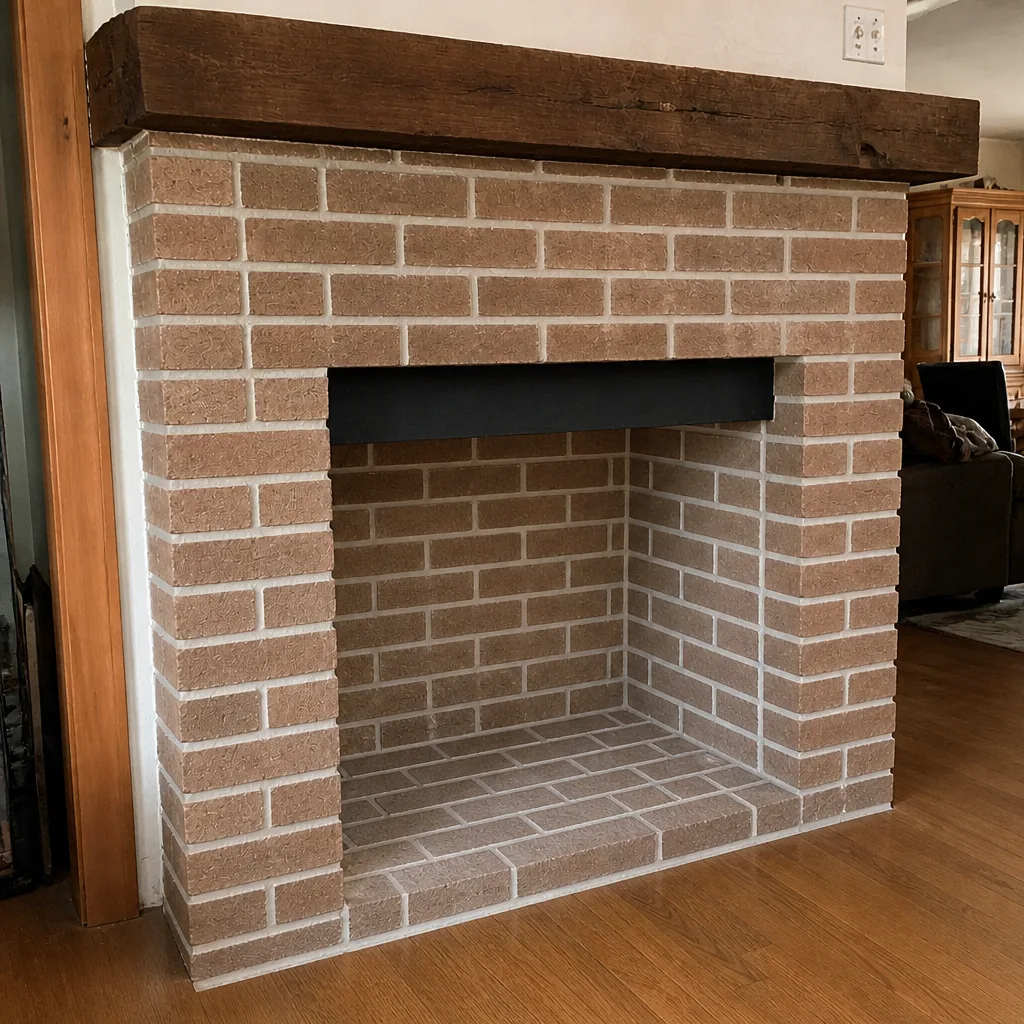
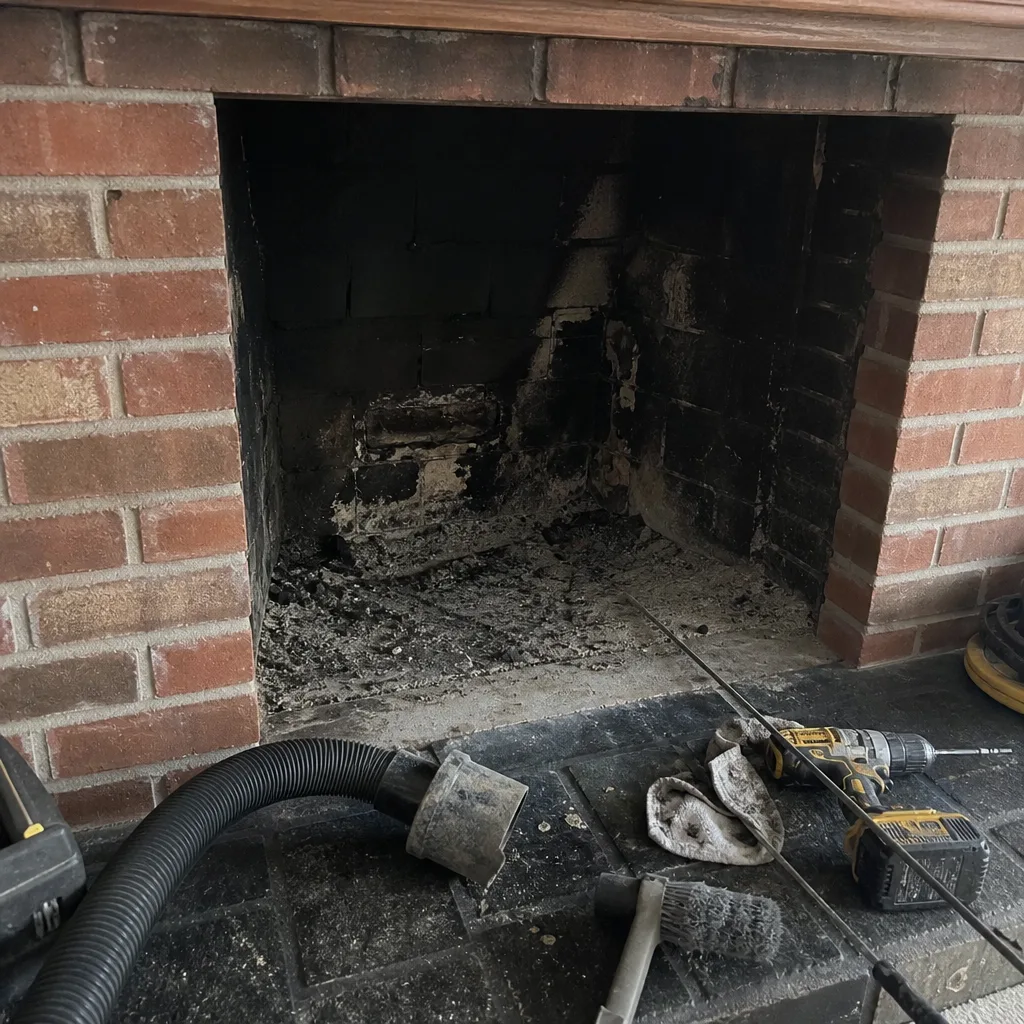
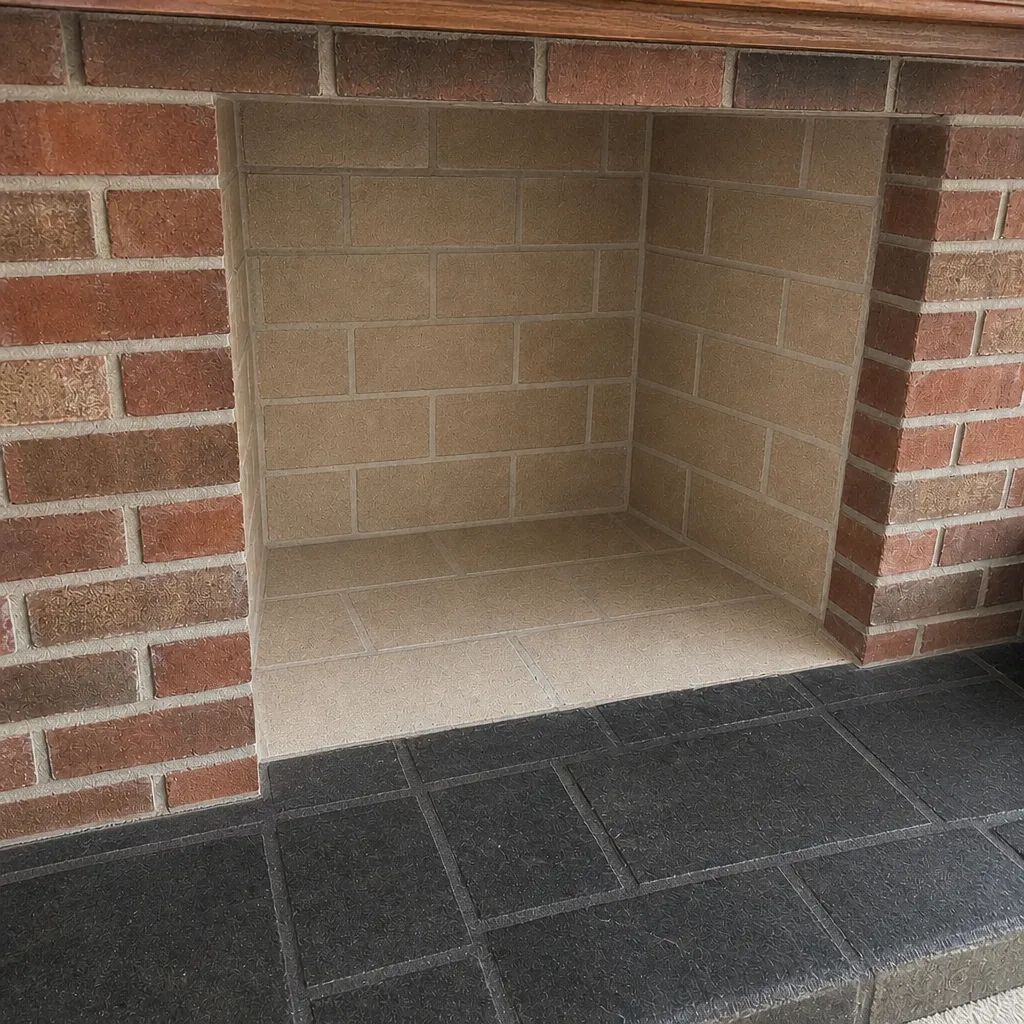
See the difference
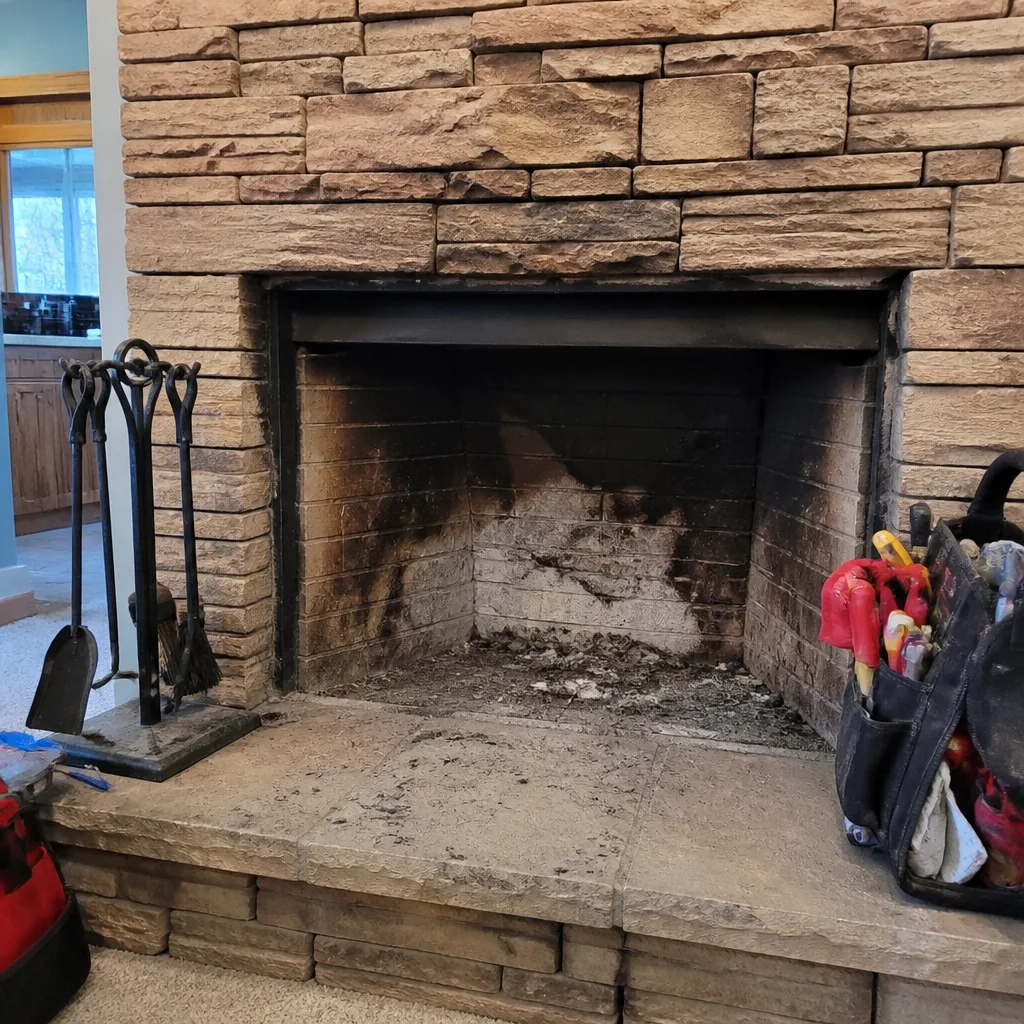 Before
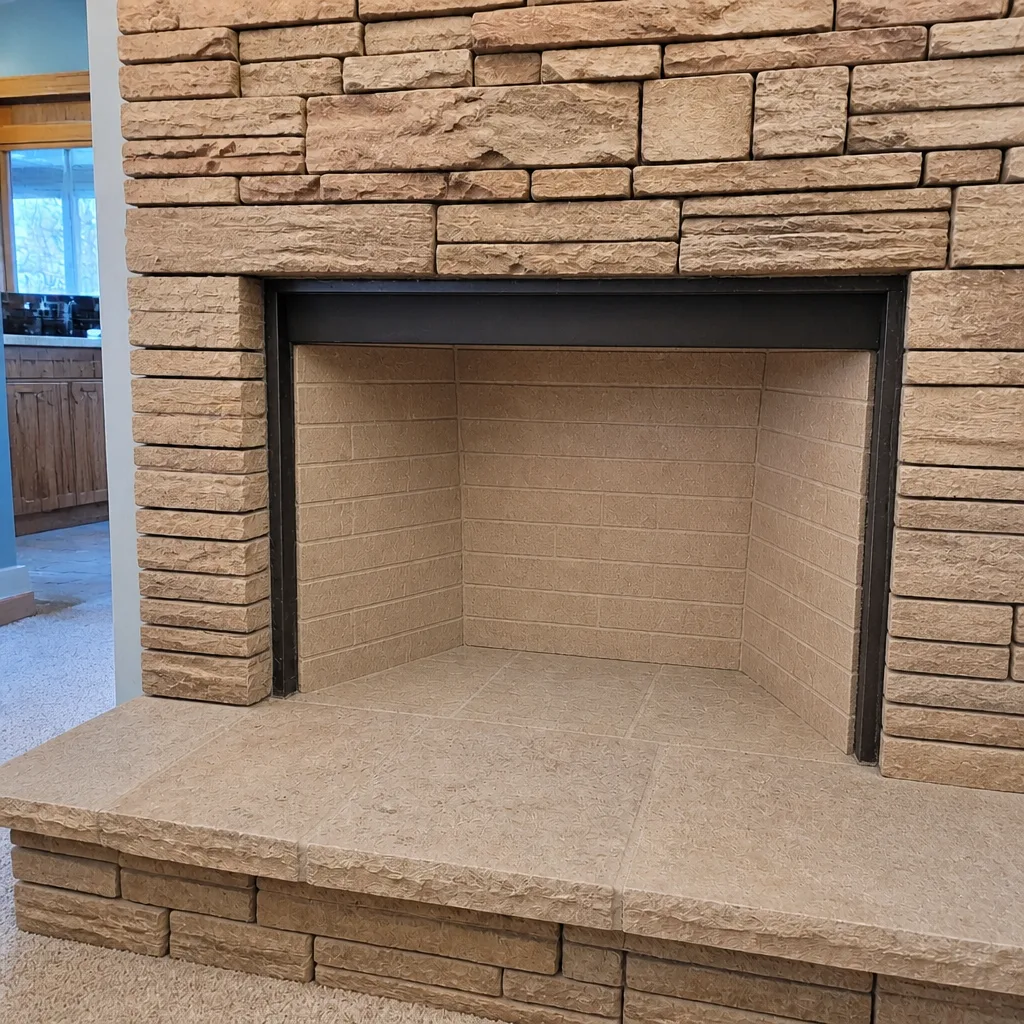 After
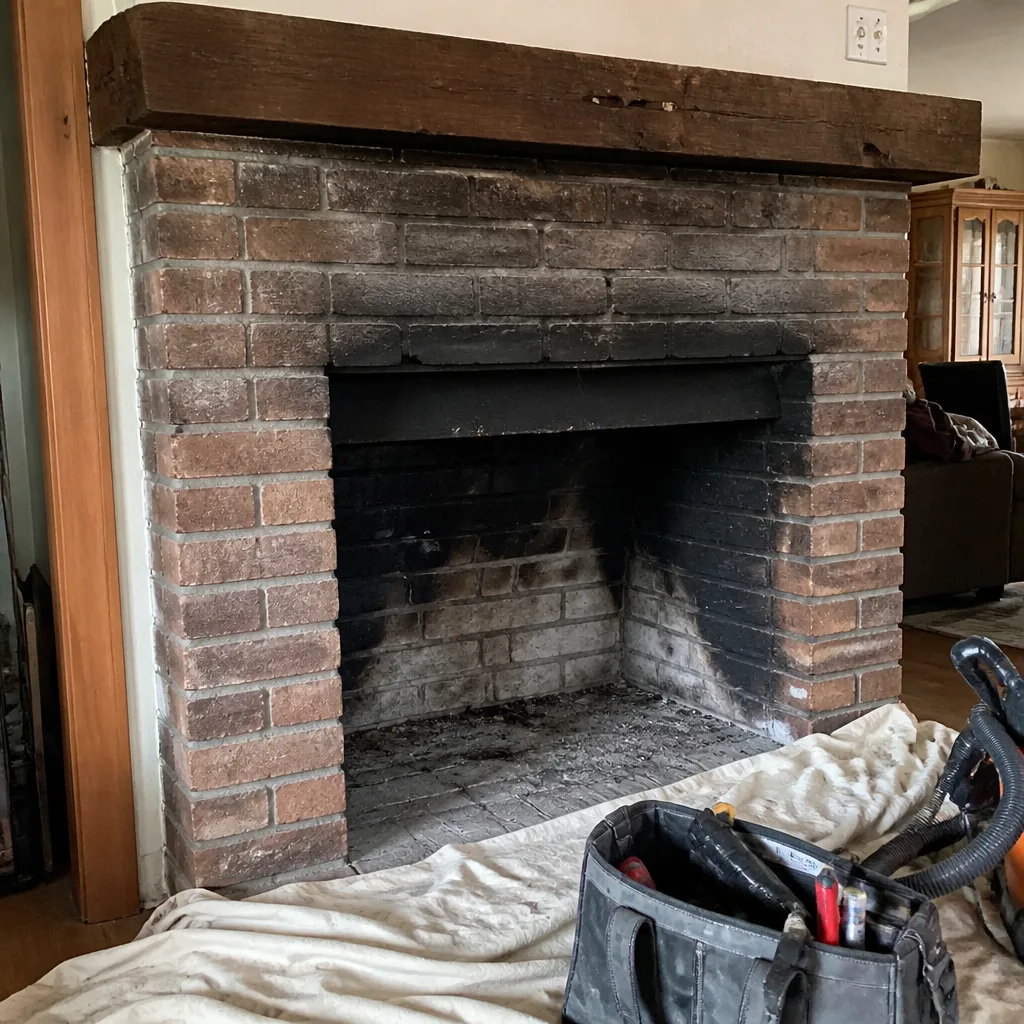 Before
 After
 Before
 After
When to Call a Professional
Some situations call for a trained professional without delay. If you’ve had a chimney fire, even a small one you think you caught early, stop using the fireplace and book an inspection. If you see cracked or missing firebrick, a rusted-through cap, water stains on the ceiling or chimney breast, or a strong creosote or smoke smell coming from the fireplace when it’s not in use, those are signs the system needs a real assessment. Draft problems, smoke rolling into the room, and carbon monoxide alarms triggering when the fireplace is running all warrant professional attention, and the last one warrants leaving the house and calling for help first.
If you’ve moved into a South Hill home and don’t know when the chimney was last serviced, or you’re buying or selling and need a documented inspection for the transaction, that’s a standard reason to book a full-system visit. Cleaning and inspection services are available through your local professional. Call (877) 792-6671. We answer 24/7. Fast dispatch from 7am to 7pm, Sunday through Friday. The estimate is free.
Frequently Asked Questions
A standard sweep with a Level 1 inspection typically runs $180 to $320 in South Hill. Heavy or glazed creosote removal, a Level 2 inspection, or repairs found during the visit are quoted separately and priced per job by the written estimate. Call (877) 792-6671 for an exact quote, which is free.
Annual cleaning and inspection is the baseline for most wood-burning systems, but your specific cadence depends on fuel type, appliance and how you burn. Occasional shoulder-season burning in South Hill conditions can produce stickier stage-two creosote faster than the once-a-year rule suggests. Book a cleaning when you’re unsure and let the inspection tell you what’s actually there. Call (877) 792-6671 for an exact quote, which is free.
A Level 1 inspection is a visual check of the readily accessible parts of the system, consistent with a routine annual sweep. A Level 2 goes further with video scanning of the flue interior and a documented report, and it’s the level typically required after a chimney fire or for a real estate transaction. Call (877) 792-6671 for an exact quote, which is free.
That depends entirely on what the camera shows. Some liners can be restored with HeatShield resurfacing, which is a real alternative to a full tear-out in qualifying chimneys. Where the liner has failed structurally, a DuraFlex stainless system is the standard replacement. We don’t recommend either without a camera inspection you can see for yourself. Call (877) 792-6671 for an exact quote, which is free.
Cleaning can resolve draft problems when the cause is blockage or heavy buildup, but it won’t fix a smoke chamber with failed mortar or a flue that’s undersized for the appliance. That’s why the inspection matters as much as the sweep, and why we can quote the repair based on what we find. Call (877) 792-6671 for an exact quote, which is free.
Creosote builds up and hardens, especially in the smoke chamber, and the fire risk rises with it. Water damage from a cracked crown or rusted cap also worsens quietly until the masonry has soaked through, turning a small repair into a larger one. Chimney fires and carbon monoxide problems are serious; if you suspect either, stop using the fireplace and call. Call (877) 792-6671 for an exact quote, which is free.
The Bottom Line
Chimney cleaning in South Hill works best when it’s treated as a diagnostic process rather than a brush pass. The firebox, smoke chamber, flue, crown and cap each fail differently, and the creosote patterns that form in this climate are not the same as what you’d see in a colder, drier market. Book the sweep, get the inspection documented, and keep the cap and crown intact. If something turns up, the same team can repair it without a second appointment. That continuity is what makes a chimney system safe across seasons, not just on the day it gets cleaned. For a free written estimate, call (877) 792-6671. We answer 24/7. Fast dispatch from 7am to 7pm, Sunday through Friday.
Written by the team at Chimney Sweep South Hill.